Margaux and Aura Frames released market performance data indicating a significant surge in demand for high-end consumer staples. Luxury retail experts observed a shift toward products that combine traditional aesthetics with modern technical engineering. Data from the first quarter suggest that consumers are moving away from disposable goods in favor of footwear and electronics that offer long-term utility. Investors reassessed consumer brands and product durability on April 10, 2026, as the retail shift gained attention. Projections indicate that this trend will dominate the household goods sector through the remainder of the decade.
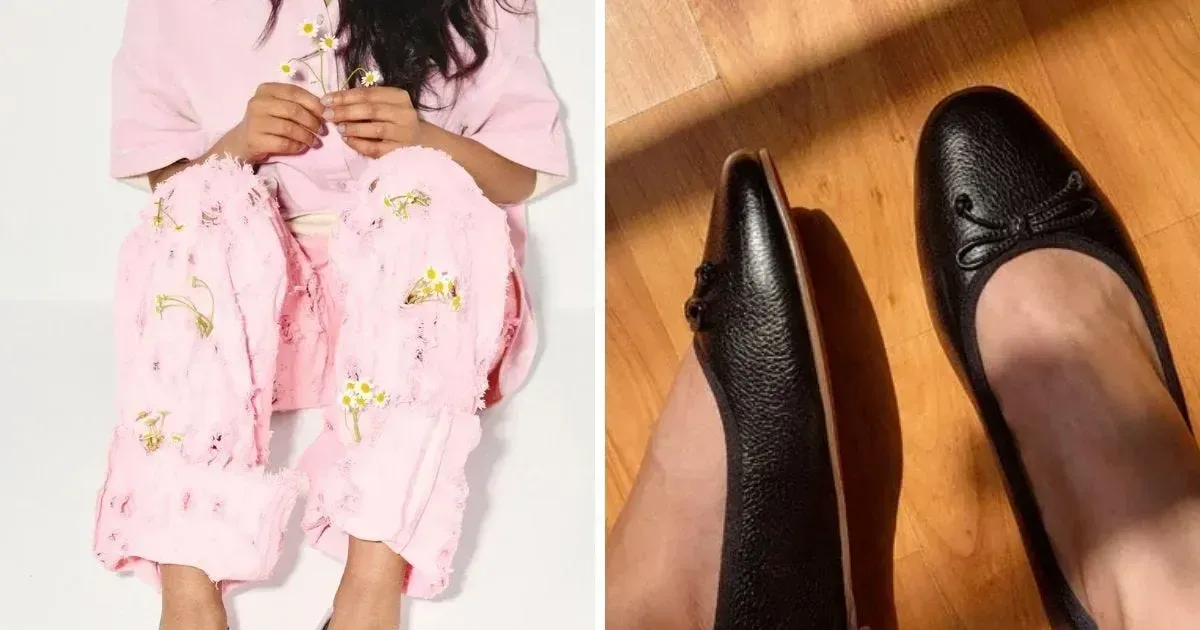
Executive editor Sally Kaplan noted that the demands for the Margaux Demi Ballet Flat stem from its unique sizing options. Unlike standard retail models that offer limited widths, Margaux provides narrow, medium, and wide fits for sizes ranging from 3.5 to 14. These shoes include five millimeters of plush foam padding to accommodate high-volume walking. Adjustable cord bows allow users to customize the tension of the leather upper. Such hardware specifications reflect a growing consumer insistence on ergonomics over fast-fashion aesthetics.
"With all the walking I do, my feet end up swelling a bit, and the wide pair is more comfortable for long days out," says executive editor Sally Kaplan.
Leather quality remains a primary differentiator for high-end footwear manufacturers. M. Gemi, an Italian brand, continues to use traditional manufacturing techniques for its Danzas and Unas collections. These flats are produced in small-batch factories that prioritize leather suppleness and structural integrity. Market reports indicate that M. Gemi's focus on Italian craftsmanship has secured a loyal customer base among urban professionals who require durable office attire. The company provides a direct-to-consumer model that avoids traditional retail markups.
Margaux Leads Footwear Toward Custom Sizing
Customization is the core competitive advantage for the Margaux Demi. Available in 11 different color options, the shoe targets a diverse demographic looking for classic silhouettes. The inclusion of half sizes ensures a precise fit that many competitors lack. Footwear designers at the firm emphasized that the goal was to create a flat that does not make the foot appear flat or distorted. Proper arch support and a structured heel cup prevent the "pancake" effect common in lower-priced alternatives. Retailers have noted that wide-width options are particularly popular in the U.S. market. Many consumers experience foot swelling during long commutes or travel days. Margaux addresses this biological reality by offering widths that maintain a slim visual profile while providing internal volume. Leather uppers mold to the foot over time, creating a personalized fit that synthetic materials cannot replicate. This focus on material science and anatomy has propelled the Demi to the top of consumer preference lists.
Sales figures show that the $200 to $300 price bracket for flats is expanding. Buyers view these purchases as investments in physical health and wardrobe longevity. Footwear durability has become a key metric for evaluators who track cost-per-wear ratios. While luxury brands once relied solely on logos, the current market prioritizes the thickness of the foam padding and the quality of the stitching. Margaux currently leads this niche by merging technical comfort with a prim and polished appearance.
M. Gemi Prioritizes Traditional Italian Craftsmanship
Italian manufacturing remains the gold standard for high-performance leather goods. M. Gemi utilizes specialized workshops to produce the Danzas flat, which features a hand-stitched construction. This method allows the shoe to remain flexible while resisting the stretching that often ruins cheaper leather products. Independent analysts found that the Unas model also incorporates a pointed-toe silhouette that maintains comfort through clever internal spacing. These designs cater to a clientele that values European heritage alongside modern logistical efficiency. Direct sourcing from Italy reduces the carbon footprint and lead times associated with global mass production. M. Gemi releases new styles in limited drops to minimize waste and ensure quality control. This scarcity model increases the perceived value of each pair. Footwear collectors often wait for specific seasonal shades that are only available for a few weeks. The brand's commitment to small-scale production highlights a move toward sustainable luxury.
Aura Frames Disrupts Digital Memory Markets
Digital photo displays have transitioned from niche gadgets to essential household fixtures. Aura Frames currently dominates this sector with the Aspen and Carver models. These devices feature high-resolution screens with bright, accurate color reproduction and multiple orientation sensors. Users can add photos from their smartphones using an intuitive app that synchronizes across multiple frames. The connectivity allows family members to share images across long distances in real time. Storage policies are a major factor in Aura's market dominance. The company offers unlimited photo storage without requiring a monthly subscription fee. The business model contrasts with many tech firms that use recurring revenue streams to subsidize hardware costs. Consumers have reacted positively to the transparency of a single upfront payment. The Aura Aspen stands out with its one-inch-thick profile and high-density pixel count. It is designed to blend into home decor without looking like a computer monitor.
Alternative options cater to different price points and functional needs. The Akimart Digital Frame is priced well under $100, making it accessible for budget-conscious buyers. While it lacks some of the advanced color calibration of the Aura models, it provides a stable platform for smartphone users. Larger displays like the Pastigio 15.6-inch model target users who want a cinematic experience for their living rooms. Touchscreen functionality is available in the Cozyla Digital Frame, which allows users to interact directly with their photo galleries.
Technical Architecture of Modern Photo Displays
Hardware innovations have improved the setup process and display quality of modern frames. E-Ink technology is now being used for wall-mounted options like the Aura Ink, which consumes minimal power while mimicking the look of printed paper. The development appeals to consumers who find glowing LCD screens distracting in a darkened room. Digital frames are also integrating organizational tools, as seen in the Skylight Calendar 2. The device combines a photo gallery with a centralized family schedule.
Wi-Fi-enabled frames have revolutionized how memories are archived. Instead of printing photo books or scrolling through thousands of images on a phone, families can curate a rotating slideshow. The curation process is enabled by artificial intelligence that can automatically hide blurry photos or duplicates. The result is a dynamic gallery that requires almost no manual maintenance once the initial setup is complete. Industry data suggests that the ease of use is the primary driver of adoption among older demographics.
Market analysts expect the digital frame category to grow by 12 percent annually. As smartphone camera quality continues to improve, the demand for high-quality display hardware grows in tandem. Professional photographers and hobbyists alike seek screens that can accurately reflect the dynamic range of their images. Aura has positioned itself as the premium choice by focusing on the optical quality of the glass and the accuracy of the backlight. These technical details justify the higher price point for enthusiasts.
Durability Means Different Things in Physical and Digital Goods
Data storage persists as the ghost in the machine of modern household management. While Aura Frames wins praise for its lack of subscription fees, the underlying reality is that consumers are trading their personal data for the convenience of a digital mantle. The trend toward centralized, cloud-based memory curation creates a dangerous single point of failure for family histories. If a hardware manufacturer shuttered its servers today, millions of digital frames would become expensive bricks. We are trading the permanence of the physical photograph for the ephemeral glow of a WiFi-connected screen.
Margaux provides a template for physical product survival. By focusing on the biological variation of the human foot, they have exposed the laziness of the global footwear industry. The standard sizing model is a relic of 20th-century mass production that prioritizes logistics over the wearer's health. Margaux's success proves that consumers will pay a premium for hardware, even analog hardware like a shoe, if it respects the user's specific physical requirements. It is not a fashion trend; it is a correction of an enduring manufacturing failure. Consumerism demands permanence. The contrast of leather flats that last for years and digital frames that rely on fluctuating cloud services highlights a tension in the 2026 economy. Buyers want the heritage of Italian leather but the speed of a fiber-optic connection. The winners in this market will be those who can convince the public that their digital products have the same lifespan as a well-made pair of shoes. Fads usually fail.