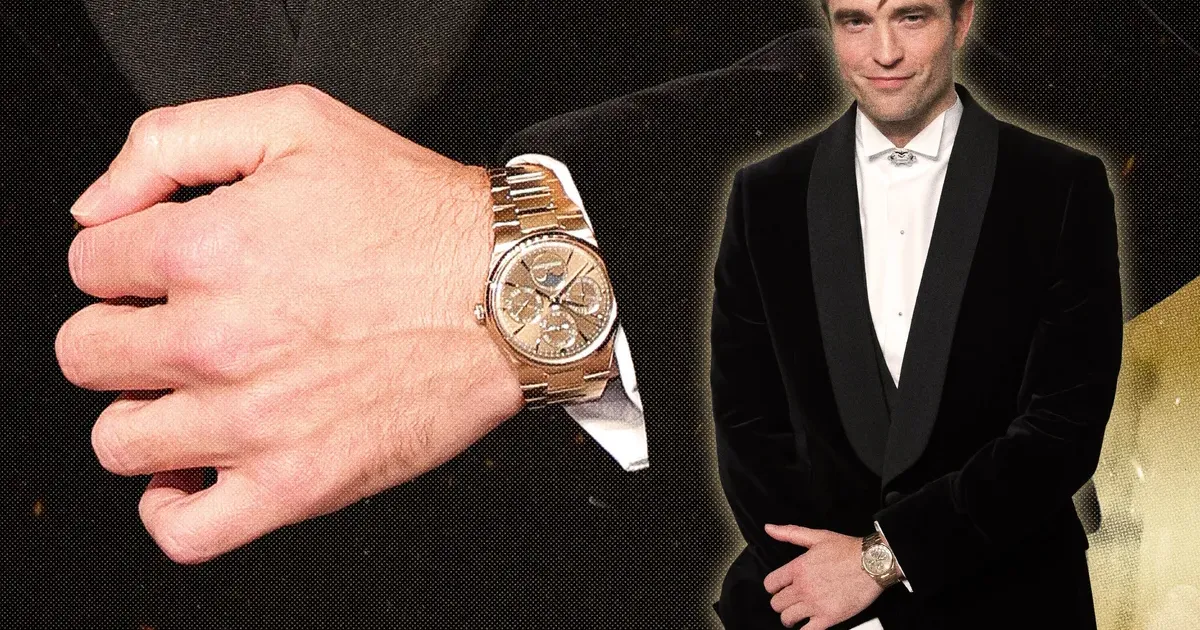
Clara Khoury arrived at the 98th Academy Awards in Los Angeles on March 15, 2026, wearing a custom gown that anchored the evening's shift toward high-concept archival fashion. Robert Pattinson followed shortly after, sporting a timepiece that sent horological experts into a frenzy of speculation. Hollywood stylists spent months coordinating these appearances to balance traditional glamour with subversive modern touches. These visual choices served to amplify the narrative weight of the films represented on the ballot.
Separately, the jewelry and accessories observed on the red carpet indicated a massive increase in private equity investment within major fashion houses. Brands are no longer content with simple placement. They now demand integrated appearances that span the full awards season circuit. Clara Khoury, the break-out star of the critically acclaimed film The Voice of Hind Rajab, became the primary vessel for this new strategy. Her look relied on a minimalist facial palette that emphasized her performance in the wartime drama.
In fact, makeup artist Katey Denno spent several hours preparing the actress for the cameras to ensure the focus remained on her expressive features. Denno had previously studied Khoury's onscreen presence to determine how light interacted with her skin during intense close-ups.
Whenever Clara was onscreen, I felt locked into her eyes, which later made me think: I would love to paint on her beautiful face someday.
Denno utilized specialized pigments that resisted the harsh glare of the Dolby Theatre strobe lights. This technical precision allowed Khoury to maintain a natural appearance even under the scrutiny of 4K television broadcasts. The aesthetic choice contrasted sharply with the more experimental looks seen elsewhere on the carpet.
Robert Pattinson Debuts Jaeger-LeCoultre Prototype
Robert Pattinson stunned enthusiasts by wearing what appears to be an unreleased, highly complicated watch from Jaeger-LeCoultre. He wore the piece on his left wrist, partially concealed by the cuff of his Dior tuxedo. Watch collectors on social media immediately began dissecting high-resolution photos to identify the model. It features a unique moon phase complication and a case shape that deviates from the traditional Reverso or Master Ultra Thin collections.
Meanwhile, the actor remained cryptic when asked about the accessory during his walk toward the auditorium. He simply gestured to the dial before continuing his march toward the entrance. Luxury market analysts suggest that such a public debut is part of a larger rollout for the brand's upcoming anniversary collection. A prototype of this caliber would likely retail for well over $150,000 if it ever reaches the consumer market.
Yet, the watch was only one component of a broader trend toward meticulously groomed masculine identities. Groomers for the event reported a surge in requests for specific facial hair styles that mirrored mid-century aesthetics. Pattinson himself maintained a clean-shaven look to highlight the sharp lines of his jaw and the luxury of his attire. His refusal to follow the stubble trend made him a standout among his peers.
To that end, the 2026 ceremony saw a distinct divide between those who embraced ruggedness and those who returned to the polish of the Golden Age. Leonardo DiCaprio appeared with a well-maintained mustache that GQ ranked as one of the best moments of the night. His grooming choice complemented a velvet blazer that absorbed the surrounding light. It was a calculated departure from his usual red carpet appearance.
Audrey Nuna and KPop Demon Hunters Go Gold
Audrey Nuna coordinated with her bandmates from the KPop Demon Hunters to create a monochromatic visual statement. They waited for the final stop of the awards season to unveil their most ambitious costumes. Each member wore varying shades of gold, utilizing different textures from liquid lamé to heavy brocade. This decision was intended to mirror the literal trophy they hoped to take home later that evening.
Still, the group managed to avoid looking costume-like by incorporating streetwear elements into their formal silhouettes. Nuna wore a floor-length gold gown with a high-neck collar that referenced her Korean heritage while maintaining a futuristic edge. The band has become a favorite of creative directors looking to bridge the gap between East Asian pop culture and Western luxury markets. Their presence on the carpet was as much a business meeting as it was a celebratory walk.
By contrast, many younger actors opted for safe, black-and-white ensembles that failed to capture the attention of the global press. The 2026 carpet was dominated by those willing to take risks with color and material. Gold remained the most prevalent accent of the night, appearing in everything from Audrey Nuna's dress to the intricate embroidery on supporting actor nominees. It suggested a collective desire for opulence after several years of post-pandemic minimalism.
For instance, the use of metallic threads has become more common as textile technology allows for lighter, more breathable fabrics. Actresses no longer have to suffer through the pressure of heavy beading to achieve a high-shine effect. The industry has shifted toward synthetic silks that provide the same luster with half the physical burden on the wearer. This technological shift was evident in several of the gowns that appeared to float down the carpet.
Leonardo DiCaprio and Red Carpet Grooming Trends
Grooming standards for men reached a new level of scrutiny during this year's event. Leonardo DiCaprio led a group of veteran actors who used facial hair to signal a more mature phase of their careers. The mustache, which has fluctuated in popularity over the decades, was reclaimed as a symbol of classic Hollywood masculinity. GQ noted that even barely-there stubble was carefully mapped out by professionals using precision trimmers and specialized oils.
In turn, the demand for high-end men's grooming products has skyrocketed in the weeks leading up to the Oscars. Stylists are no longer just focused on the suit. They are managing skin hydration, beard density, and eyebrow shaping with the same intensity previously reserved for female stars. The parity in preparation reflects a broader shift in how male celebrities are marketed to a luxury-conscious audience.
Even so, some actors chose to buck the trend. Robert Pattinson and several younger nominees opted for the smooth, youthful look that defined their early careers. The aesthetic choice served to contrast the more weathered, rugged appearances of the veteran actors in the crowd. The red carpet has become a place where generations of style compete for dominance in real-time. It is a visual battleground for relevance.
And, the financial stakes of these grooming decisions are higher than ever. Skincare brands pay five-figure sums to have their products listed in a celebrity's get-ready-with-me video. A single mention of a beard oil or a moisturizer can lead to an immediate sell-out on global retail platforms. The faces of the 2026 Oscars were as much billboards as they were artists.
Clara Khoury and The Voice of Hind Rajab Aesthetics
Khoury's appearance was deeply tied to the narrative of her film, which deals with themes of resilience and visibility. Her stylist chose a gown that felt protective yet delicate, mirroring her character's journey. The makeup by Katey Denno was designed to be almost invisible, allowing the natural radiance of the actress to communicate a sense of vulnerability and strength. The approach rejected the heavy contouring that has dominated the red carpet for the last decade.
But, the simplicity of the look belied the immense amount of work required to achieve it. Denno started the skin preparation process three days before the event, using a series of lymphatic drainage massages and cryotherapy treatments. The ensured that Khoury's face appeared lifted and rested without the need for invasive procedures. The goal was to present a version of the actress that felt authentic to the audience who had seen her in her most raw onscreen moments.
According to [source] reports from the carpet, Khoury was one of the most photographed individuals of the evening. Her ability to command the camera without a loud or distracting outfit proved that the industry still values traditional star power. She handled the press line with a composure that suggested she was well-prepared for the transition from indie darling to Academy Award nominee. The gown she wore will likely end up in a museum archive before the year is out.
Fashion critics have already labeled the look a definitive moment for the 2020s. It is a move away from the chaotic energy of digital-first fashion and a return to the craftsmanship of the atelier. Khoury remained the center of the conversation throughout the night, even after the final awards were handed out. Her presence signaled a new era of Hollywood royalty that is both politically conscious and impeccably dressed.
The Elite Tribune Perspective
The 2026 Academy Awards red carpet was less a celebration of cinema and more a vulgar display of corporate teamwork. We observed actors like Robert Pattinson acting as walking advertisements for watch prototypes that the average viewer will never afford. The performance of luxury feels steadily disconnected from a global reality where the films being honored often deal with poverty, war, and human suffering. There is a grotesque irony in seeing Clara Khoury, the star of a film about a tragic historical figure, being used as a canvas for expensive skincare marketing.
The industry has successfully commodified the very concept of authenticity, packaging it into a 98th Academy Awards appearance that can be sold to the highest bidder. If the Oscars are to remain relevant as anything other than a trade show for the LVMH conglomerate, they must find a way to decouple the art from the accessories. Until then, we are not watching a celebration of filmmaking. We are watching a three-hour commercial where the price of the wardrobe exceeds the budget of many of the nominated documentaries.
The trend toward total commercialization is a rot at the heart of the cultural institution. It suggests that even the most prestigious awards in the world have been reduced to a numbers game where the only real winners are the luxury brands and their shareholders.