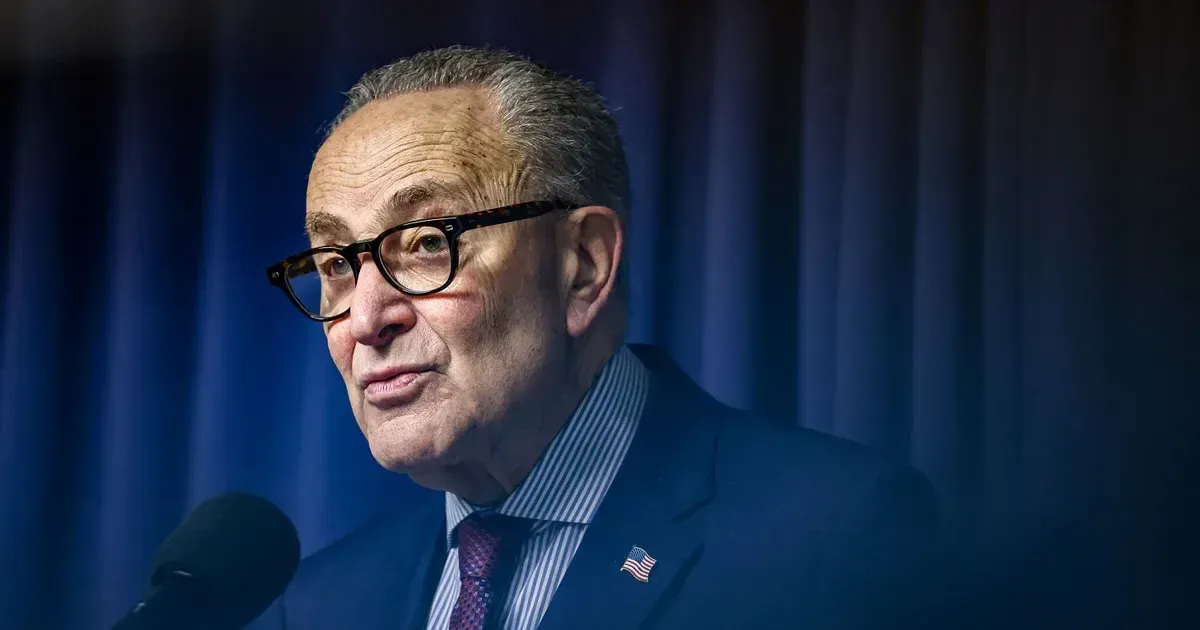
Senate Minority Leader Chuck Schumer pledged to dismantle a multi-billion-dollar pool of money established by the White House to compensate individuals targeted by federal investigations. Democrats prepared a procedural offensive against the Department of Justice initiative as leaders in the Senate planned to use specific legislative rules to force a direct vote on the future of the program. The June 1, 2026, announcement set up a public fight over whether the compensation program can survive congressional review.
Schumer intends to make the $1.8 billion fund a political liability for his counterparts across the aisle. Democratic strategists believe that forcing a record vote will require Republican lawmakers to publicly endorse the use of taxpayer funds for legal compensation. This strategy aims to highlight the fiscal and ethical tensions inherent in a fund that critics describe as a political tool.
Legislative opposition is intensifying as the White House attempts to cement the fund within the permanent budget of the Department of Justice.
Records from the administration describe the "anti-weaponization fund" as a necessary corrective for citizens who have suffered from aggressive federal oversight. While the White House characterizes the payouts as restitution, Schumer views the move as an attempt to undermine the rule of law. Budgetary documents indicate the initial allocation sits at $1.8 billion, though some congressional estimates suggest the total could fluctuate based on court-ordered settlements. Many Democrats argue the money is essentially a shield for political allies who faced legitimate scrutiny during previous administrations.
Department officials have already begun the process of reviewing claims submitted by individuals seeking compensation. According to internal guidelines, the fund is available to those who can demonstrate their civil rights were violated through politically motivated investigations. Critics, however, argue the criteria for these payouts are dangerously vague and lack traditional oversight mechanisms. Lawyers representing the administration have defended the program in preliminary filings, asserting that the executive branch has the authority to rectify past prosecutorial overreach.
The Senate minority leader said Democrats would use Senate procedure to try to kill President Donald Trump’s $1.8 billion “anti-weaponization” fund, forcing Republicans to vote to preserve the compensation money.
Senate Procedure Becomes the Fight
Schumer is expected to use the Congressional Review Act or similar budgetary maneuvers to trigger the floor vote. If the motion succeeds, it would strip the Department of Justice of the authority to distribute the remaining $1.8 billion. Every member of the Senate would be required to go on record, a prospect that some moderate Republicans are reportedly viewing with caution. Voting to protect the fund could be framed as supporting the use of public money for private legal relief. The program is also facing intense scrutiny regarding how the Internal Revenue Service handles past tax audits.
Congressional pushback coincides with growing legal challenges in several federal courts. Litigation filed by government watchdog groups alleges the fund violates the Appropriations Clause of the Constitution. One specific lawsuit argues that the executive branch cannot unilaterally redirect billions of dollars without explicit authorization from Congress. Prosecutors from several states have joined these efforts, citing concerns over how the money might be distributed to individuals with active or recently closed criminal records.
Newsweek recently noted that the fund addresses a persistent concern regarding institutional bias, even if the implementation is deeply flawed. Supporters of the White House position maintain that the fund is a landmark effort to provide accountability for bureaucratic mistakes. They argue that the sheer scale of federal law enforcement requires a corresponding mechanism for financial relief. Opponents counter that the fund provides an incentive for individuals to obstruct federal investigations in hopes of a future payout.
Future payouts from the fund are currently on hold pending the outcome of the Senate vote. Administrative officials have paused the distribution of checks as legal teams evaluate the risk of a legislative reversal. If Schumer succeeds in his procedural bid, the Department of Justice may be forced to return the unspent billions to the general treasury. The conflict over the money highlights a broader ideological split over the proper role of federal law enforcement and the limits of executive power.
The Vote Will Test Republican Support for the Fund
The legislative challenge led by Senate Democrats is both a budgetary dispute and a strategic attempt to redefine the boundaries of executive restitution. By forcing a vote on the $1.8 billion fund, Schumer is testing the internal cohesion of the Republican caucus during an election cycle. Many lawmakers find themselves caught between the demands of the party base, which views the fund as a necessary defense against a biased bureaucracy, and fiscal conservatives who are wary of creating a new multi-billion-dollar entitlement program.
Legislative analysts suggest that even if the effort to kill the fund fails in the Senate, the resulting political pressure may limit the program's scope. The Department of Justice is likely to face far more stringent reporting requirements for any disbursements made before the end of the fiscal year. This could lead to a slowdown in the claims process as officials attempt to insulate themselves from future audits. Ultimately, the survival of the anti-weaponization fund will depend on whether its supporters can frame it as a matter of fundamental justice rather than a partisan gift.