Travelers at Hartsfield-Jackson Atlanta International Airport found shorter wait times because staffing levels began to stabilize. Republican leaders announced earlier today that the partial government shutdown, which has persisted for six weeks, could end within the coming days. Security operations showed improvement across several major metropolitan hubs during the morning rush. TSA officers have worked without pay since the budget deadlock began, yet attendance data suggests a recovery in morale. Public pressure on lawmakers increased as images of gridlocked terminals circulated on social media throughout the previous week. The April 3, 2026, improvement gave travelers a practical sign that airport staffing was stabilizing.
Reports from major hubs like Chicago O'Hare and Los Angeles International Airport indicate a slight uptick in officer attendance. Long delays that previously plagued domestic travel appear to be receding. National security experts had expressed concern that prolonged vacancies at checkpoints would create vulnerabilities. Recent shifts in legislative negotiations provide the first clear path toward restoring full federal funding. Airline carriers had lobbied aggressively for a resolution to prevent a total collapse of spring travel schedules.
TSA Staffing Recovery and Passenger Volume
Agency data shows that unscheduled absences reached a peak of 10 percent last Tuesday. Many employees cited financial hardship as the primary reason for missing shifts. Some officers took temporary jobs in the private sector to cover rent and grocery expenses. Attendance began to normalize once reports of a legislative compromise surfaced in the media. Managers at high-volume airports reorganized lanes to prioritize efficiency for the influx of travelers. Passenger volume usually increases during the first week of April, making the timing of this recovery essential for the aviation industry.
Wait times at Newark Liberty International and John F. Kennedy International stayed below 30 minutes this morning. The figures represent a steep drop from the 90-minute averages recorded just four days ago. PreCheck lanes operated at full capacity for the first time since mid-March. Security wait times often dictate the operational flow of an entire terminal. Efficiency at the checkpoint reduces the congestion at boarding gates and terminal restaurants. Airport authorities credited the improved throughput to a surge in overtime volunteers.
Financial distress among federal employees forced many to rely on local food banks and community assistance. The average TSA salary does not allow for long periods of unpaid labor. Credit unions and banks offered interest-free loans to federal workers during the six-week gap. Despite the assistance, the mental burden of mounting debt weighed heavily on the workforce. Public support for the officers manifested in spontaneous donations of gift cards and meals at several terminals. Federal workers are prohibited from striking, but the uptick in sick calls was a functional equivalent. The long-term retention of federal transportation workers remains a critical concern for the stability of national security checkpoints.
"The partial government shutdown, currently in its sixth week, could end in the coming days," Republican leaders said in a joint statement released to the press.
Legislative leaders from both parties met late last night to finalize the details of a bridge funding bill. The proposal includes back pay for all essential employees who worked through the hiatus. Reimbursing the workers is a top priority for the US Department of Transportation. Failure to provide immediate financial relief could lead to a permanent exodus of trained security personnel. Training a new TSA officer takes months and costs thousands of dollars per recruit. Retaining experienced staff is more cost-effective than hiring an entirely new cohort.
Delta Air Lines and United Airlines monitored checkpoint delays to adjust boarding times and prevent missed connections. Carriers lost an estimated $200 million in potential revenue during the height of the shutdown. Business travelers canceled trips to avoid the uncertainty of four-hour security lines. International tourists diverted their plans to other global destinations because of the perceived instability in the American travel system. Aviation trade groups warned that another week of disruptions would require a reduction in flight frequencies. Protecting the reputation of the American aviation network is a primary concern for industry lobbyists.
Operational costs for airlines increased when planes sat at gates waiting for passengers stuck in security. Fuel burns and crew scheduling conflicts created a wider effect across national flight patterns. Some airlines offered flexible rebooking options for customers trapped in long lines. Logistics experts noticed that smaller regional airports felt less impact than major international gateways. Smaller facilities often have more flexible staffing models than their larger counterparts. Domestic travel demand persists despite the logistical hurdles presented by the federal budget crisis.
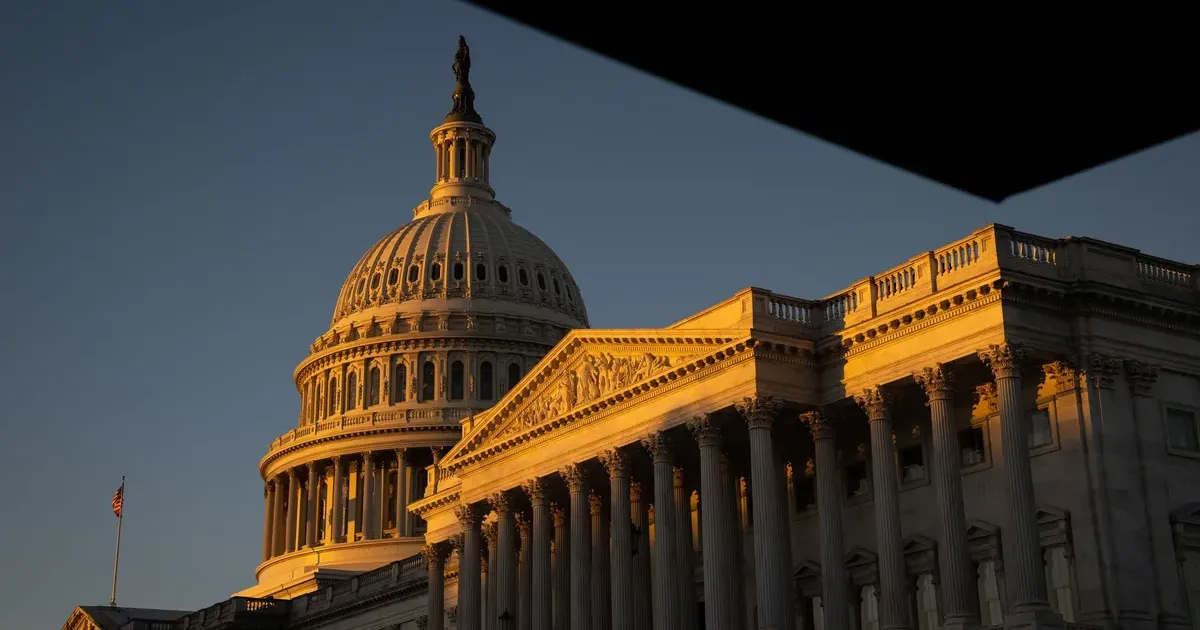
Congress plans to vote on the temporary funding measures tomorrow morning. Lawmakers reached an agreement after a series of closed-door sessions in the Capitol. The proposed bill provides enough capital to keep the government running for three months while a long-term budget is drafted. Voting blocs that previously held out for specific policy riders have agreed to a clean funding resolution. Pressure from the tourism sector helped break the deadlock among fiscal conservatives. Tourism is a multi-billion dollar industry that relies on the smooth operation of the TSA.
White House officials indicated that the President will sign the bill immediately upon passage. Restoring faith in federal institutions is a central goal for the current administration. Public approval ratings for Congress hit a ten-year low during the sixth week of the shutdown. Political analysts noted that the disruption of air travel is often the catalyst for ending budget stalemates. Voters tolerate many government service pauses but react strongly to the impairment of their personal mobility. Rapid resolution is now the only way to avoid further economic damage to the national travel infrastructure.
Airport Wait Times Improve as Staffing Stabilizes
Treating national security infrastructure as a disposable pawn in legislative theater is a recipe for long-term disaster. The six-week shutdown exposed a terrifying reality: the American aviation system relies entirely on the charity of underpaid federal employees. Expecting thousands of workers to maintain high-alert vigilance while their bank accounts sit empty is not just poor management; it is a deep security risk. When TSA officers call out sick, they are not being difficult. They are being human. A government that cannot even guarantee the paychecks of its front-line defenders has no business lecturing other nations on stability.
This resolution, while necessary, is a temporary bandage on a deep structural wound. We will see the same patterns repeat in the next budget cycle because the political cost of failure has become a tool for leverage. Legislative leaders have learned that they can hold the economy hostage for forty days before the public reaches a breaking point. That is a dangerous lesson. The aviation industry must demand a permanent funding mechanism for the TSA that is independent of general budget appropriations. Anything less ensures another crisis is just a few months away. Security should never be optional.