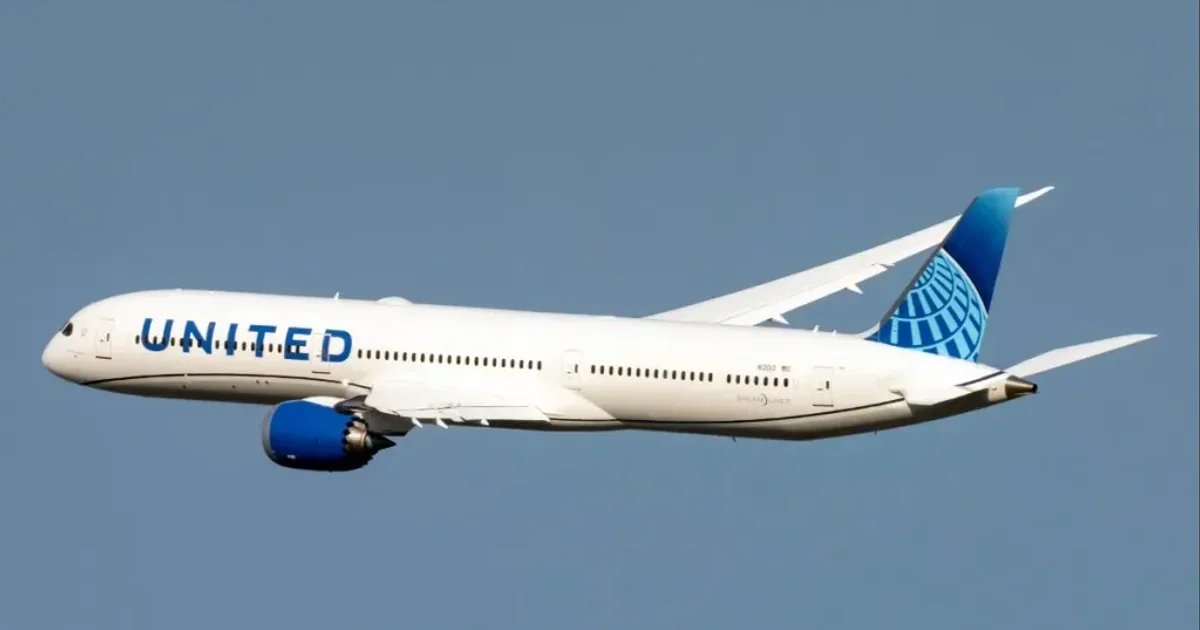
United Airlines' April checked-bag fee increase made a familiar airline pricing problem impossible to ignore: the fare shown first is not always the trip cost a traveler actually pays. For tickets bought on or after April 3, United raised many checked-bag charges on routes within the U.S., Mexico, Canada and Latin America, while keeping a lower price for travelers who prepay online.
United made the change as airlines faced rising fuel pressure tied to the Iran conflict and as other carriers tested their own fee increases. United can point to real cost pressure. Passengers still experience the policy as another step in a long shift from simple fares to itemized travel.
Bag fees protect the search result
Airlines want fares to look competitive when travelers compare flights. Checked-bag charges let carriers keep the first displayed price lower while collecting more money later in the booking path. The structure can be rational for the airline, but it makes comparison more difficult for the customer.
A family choosing between two flights may not see the full difference until bags, seats and fare restrictions are added. A $30 fare gap can disappear quickly when two checked bags and seat choices enter the calculation. For occasional travelers, the booking process can feel less like buying transportation and more like learning the rules one screen at a time.
Prepay discounts buy operational certainty
United's lower prepaid bag fee is not only a courtesy. It encourages travelers to declare baggage earlier, use digital tools and reduce last-minute counter transactions. Advance declarations help the airline plan staffing, weight, loading and airport flow before the departure rush.
The bargain is plain. Travelers who plan early pay less. Travelers who decide closer to departure pay more. From an operations view, uncertainty has a cost. From a passenger view, the same structure can feel punitive when trip details change or when a traveler does not know the rule until check-in.
Loyalty status now shields the valuable customer
The increase also shows how airline loyalty has changed. Premium-cabin travelers, elite members, active military and some cobranded credit-card customers can still avoid certain bag fees. The protection follows the customers who bring repeat revenue, card partnerships or higher-margin purchases.
Airlines do not necessarily reject casual travelers; those passengers are simply less insulated from the unbundled model. Airlines increasingly use fees to separate price-sensitive passengers from customers whose status, card spend or fare class makes them more valuable to the business.
Fuel costs explain part of the move
Fuel pressure gave United and other carriers an immediate justification. Jet fuel volatility can move airline economics quickly because fuel is one of the industry's largest expenses. Raising base fares can hurt search competitiveness, so fees become an easier place to recover money without changing the first price a customer sees.
The explanation is incomplete, though. Baggage fees long predate this fuel spike. They have become a durable revenue tool because passengers may tolerate them more easily than a visibly higher ticket price. A temporary cost shock can accelerate a pricing model that airlines already preferred.
The real fare is the total fare
Passengers need the full trip cost after bags, seats, fare restrictions, family seating needs and loyalty-card benefits are counted. Travelers comparing United with another airline need to calculate the total before assuming the cheaper fare is really cheaper.
The issue is more visible for families, long trips, students, military families outside exemption rules, and travelers carrying equipment. One person with a backpack may barely notice the change. A family checking multiple bags across a round trip can feel it immediately.
Transparency is the loyalty test
United can defend the fee increase as a response to cost and industry practice. The tougher question is whether passengers see the full cost early enough to trust the booking process. Surprise charges are bad for loyalty even when the fee is disclosed somewhere in the path.
If airlines want customers to accept unbundled pricing, they should make the full itinerary cost visible sooner and easier to compare. Otherwise each fee increase teaches travelers the same habit: distrust the first price, keep clicking, and assume the airline has not finished charging yet.