A new wave of Jamaica villa coverage highlights how private estates, local materials and design-led service are reshaping Caribbean luxury travel. Well-run properties do not sell only a pool and a view. They sell privacy, staff, architecture, food, setting and the feeling that a guest has stepped into a specific island life rather than a generic luxury template.
The difference is commercially important because high-end travelers are comparing villas with traditional resorts, not just with other rental homes. A resort offers scale and convenience. A villa offers control, seclusion and a more personal version of place. The demand is not only about avoiding crowds. It is about choosing a setting that can be shaped around family, food, staff, privacy and schedule.
Private estates replace resort corridors
Jamaica's villa market draws strength from places such as Montego Bay, Round Hill, GoldenEye, Ocho Rios, Treasure Beach and Portland. Each area offers a different rhythm: manicured north-coast glamour, Bond-era heritage, rainforest seclusion or south-coast quiet. A serious villa story should explain those differences instead of treating the island as one interchangeable backdrop.
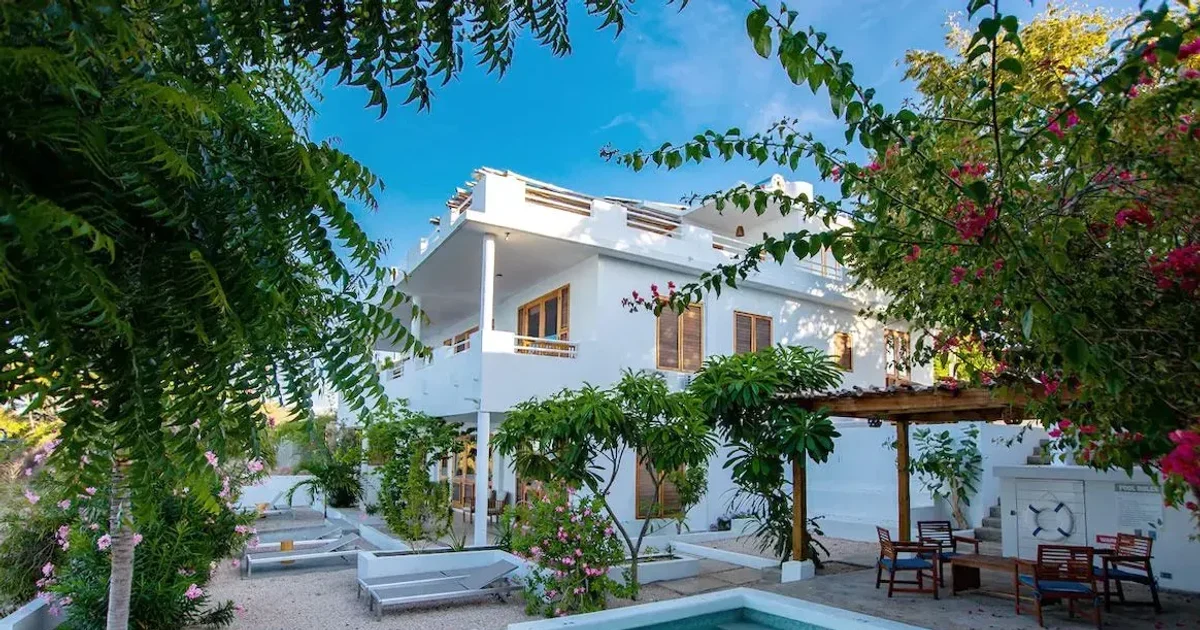
Good properties use geography rather than flattening it. Verandas, outdoor showers, shaded courtyards, local stone, timber, gardens and sea access all help a property feel rooted instead of imported. A strong sense of place lets Jamaica compete against luxury markets that offer a high price but little sense of place.
Design has to earn the climate
Good Caribbean design is not just visual. It has to manage heat, rain, trade winds, salt air and privacy. Wide rooflines, natural ventilation, durable materials and shaded outdoor rooms can make a villa feel luxurious without forcing it to behave like an air-conditioned box.
Jamaica has an advantage here because the island's architectural heritage already understands indoor-outdoor living. Modern villas can update the lines without losing the climate intelligence built into older houses. Sustainable details also belong in the analysis. Rainwater capture, solar support, careful siting and low-impact materials are not decorative talking points when a property is selling rainforest, reef, beach and breeze.
Service decides the stay
A villa succeeds or fails through service as much as design. Private chefs, butlers, housekeepers, drivers, gardeners and local guides shape the guest experience. Well-run properties connect that service to Jamaican food, music, beaches and community rather than sealing visitors inside a polished compound.
Staffing details therefore matter to readers. A villa described as fully staffed should make clear what that means, which services are included in the nightly rate, what costs sit outside the rate and how guests plan meals or transport. Luxury travel coverage loses value when it praises service without explaining how the stay actually works.
Local spending is part of the product
The economic stakes are part of the story. Luxury travel should create skilled local jobs and supplier relationships, not only high nightly rates for owners. A villa that buys local and trains well strengthens the island brand. A villa that imports the look of Jamaica while keeping spending sealed off from Jamaican workers weakens it.
Food is the easiest example. A private chef using local fish, produce, coffee and spices gives the guest a richer experience while keeping more of the travel spend connected to Jamaican suppliers. Excursions, guides, transport and music can do the same when they are handled with respect rather than staged as scenery.
Privacy cannot become isolation
The risk for Jamaica's villa boom is that high-end privacy becomes a wall. A beautiful estate can celebrate place. It can also turn place into a view for people who never leave the gate. The winning properties will be the ones that combine design discipline with cultural honesty, environmental restraint and clear service expectations.
Jamaica does not need villas that could be anywhere. It needs villas that prove luxury gains force when it belongs somewhere. A guest should leave with more than photos of a pool. The stay should carry the texture of the island, the skill of its workers and the discipline of design that understands where it is.