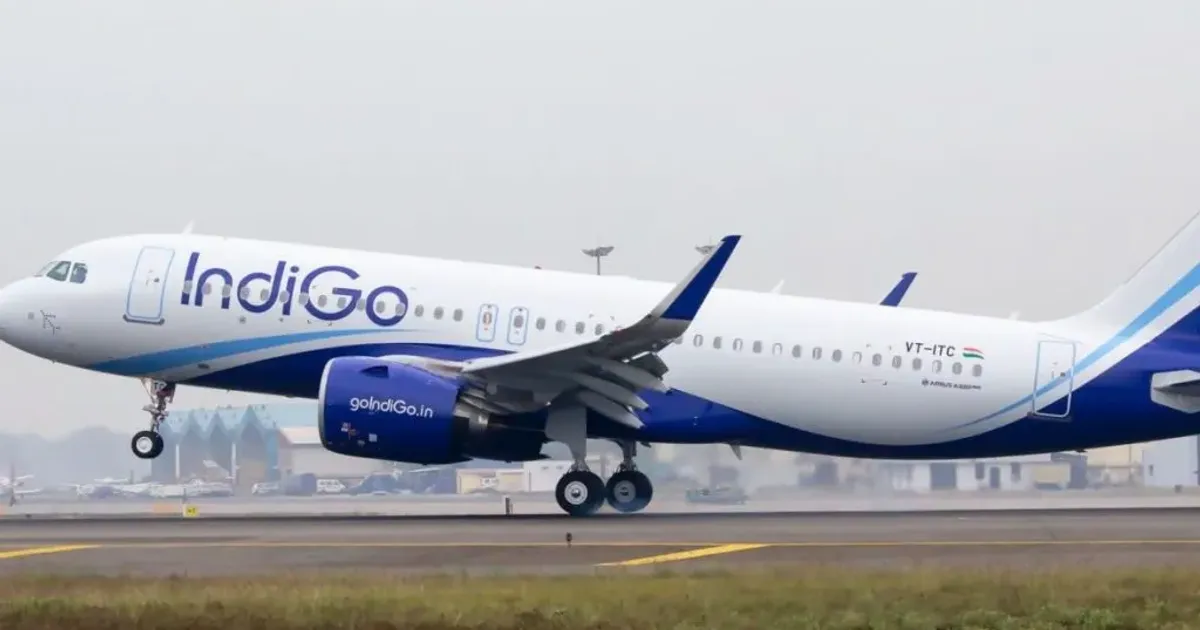
IndiGo's 2026 fuel surcharges showed how quickly a Middle East conflict can reach passengers who thought they had already found a cheap fare. The carrier first introduced extra charges in March as aviation turbine fuel rose, then revised the structure in April after the Iran war pushed jet-fuel costs sharply higher. Instead of one clean fare increase, the result was a route-by-route repricing of risk.
The move matters because IndiGo is built on cost discipline. When India's largest low-cost carrier adds or raises fuel charges, the signal reaches the whole market. Cheap international flying depends on stable fuel, open airspace, high aircraft utilization and predictable schedules. The 2026 shock hit all of those assumptions at once.
The Numbers Changed by Route
The early March surcharge put many domestic and international bookings into a INR 425-INR 2,300 band, depending on distance and region. By April 2, reporting showed a revised structure: domestic slabs around INR 275-INR 950 and international charges ranging from about INR 900 for nearer regional routes to as much as INR 10,000 for Europe. Some international fees therefore rose far more than a simple doubling.
The route variation is important. A short domestic trip and a long-haul Europe itinerary do not carry the same fuel exposure, currency pressure or rerouting risk. The surcharge becomes the airline's attempt to translate those different cost shocks into a visible ticket component.
Fuel Hits Low-Cost Carriers First
Jet fuel is one of the largest costs for Indian airlines, and some industry reporting put aviation turbine fuel near 40% of operating costs during the shock. A low-cost airline has fewer easy places to hide that increase. It can tighten capacity, adjust routes, raise ancillary fees or pass some cost directly to passengers, but it cannot negotiate away the fuel bill overnight.
The surcharge therefore tests the low-fare promise as well as serving as an accounting line. IndiGo can keep the base fare competitive while adding a fuel charge, but passengers still judge the final price. If the displayed fare and the checkout price feel too different, the airline protects margin at the cost of trust.
Rerouting Adds a Second Cost
The conflict also affects operations beyond the fuel price itself. Airspace restrictions, insurance concerns and caution around conflict zones can push aircraft onto longer routes. Even modest detours add fuel burn, crew time, maintenance pressure and scheduling risk across a large network.
The longer sectors matter for a carrier built around high aircraft utilization. A longer sector can disrupt the next turn, reduce spare capacity and make recovery harder after delays. The passenger sees a fee. The airline sees a network becoming less efficient.
Rivals Turn Surcharges Into a Market Price
IndiGo was not alone. Air India and Akasa Air also moved to add or raise fuel-related charges, which changed the competitive logic. If one airline adds a surcharge while rivals hold back, it risks losing price-sensitive travelers. If most carriers move together, the surcharge becomes part of the market price of flying during a fuel shock.
The shared fuel exposure can leave passengers feeling trapped. Shopping around may still help, especially by route and date, but the same fuel market sits underneath every carrier's economics. The difference is how much of the shock each airline absorbs, hides in the base fare or separates as a named fee.
Transparency Decides Trust
A fuel surcharge can be defensible if it is clear, route-specific and tied to actual cost pressure. It becomes harder to defend if it lingers after fuel prices ease or if passengers discover it late in the booking flow. The label matters less than the behavior behind it.
Regulators and customers have reason to watch whether emergency charges roll back when conditions improve. Crisis pricing can become normal pricing if companies face no pressure to unwind it. Airlines need protection from sudden fuel shocks, but travelers need a visible end point when the shock fades.
Cheap Fares Need Stable Conditions
The broader lesson is that ultra-cheap international fares are more fragile than their advertising suggests. They rely on low fuel, open skies, full aircraft, tight schedules and limited surprises. War, oil shocks and airspace disruption remove those supports quickly.
Passengers will blame the airline because the surcharge appears on the ticket. The deeper cause sits in fuel markets, conflict zones and route planning far from the check-in counter. IndiGo can defend cost recovery, but it still has to make the final price clear early enough for travelers to decide. In a volatile fuel market, transparency becomes part of the fare.