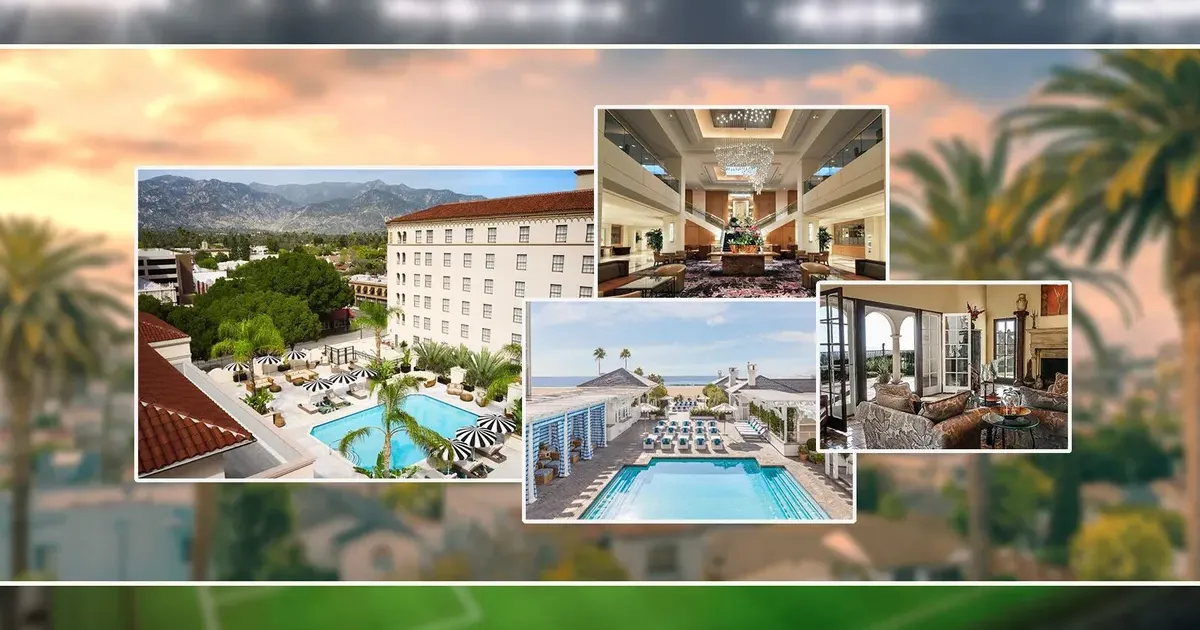
Los Angeles tourism authorities announced on April 2, 2026, that hotel room availability near SoFi Stadium has plummeted to record lows as fans secure accommodation for the upcoming FIFA World Cup. The opening match for the US men’s national team, scheduled for June 12, is the primary catalyst for a regional housing squeeze that extends from the coastal airport corridors to the foothills of the San Gabriel Mountains. Current projections from hospitality data firms indicate that inventory within a ten-mile radius of the stadium is already eighty percent reserved.

Travelers who delayed their booking process now face daily rates that exceed double the standard seasonal averages. Markets in Inglewood and neighboring West Chester report the highest price appreciation in the metropolitan area.

Eight matches will take place at SoFi Stadium throughout the tournament, requiring a large logistical operation to house hundreds of thousands of international visitors. Most spectators gravitate toward the high-density hotel clusters along Century Boulevard near Los Angeles International Airport. These properties provide the highest volume of rooms and established shuttle links to major transit hubs. While these airport-adjacent hotels offer functional convenience, the sheer volume of arrivals expected in June 2026 will test the limits of local infrastructure. City planners have designated specific corridors for dedicated bus lanes to reduce the notorious congestion of the 405 Freeway.

SoFi Stadium Logistics and Inglewood Hotel Capacity

Inglewood has undergone a radical transformation since the stadium opened, yet the local hotel inventory remains specialized. Large-scale properties with thorough amenities are concentrated primarily near the airport rather than the stadium gates. Fans prioritizing proximity to the June 12 opener must navigate a landscape of varying service levels. Reliable transport links remain the most critical factor for those staying outside the immediate Inglewood vicinity. Some properties offer direct shuttles, while others rely on the expanding light rail network. Data from previous international tournaments suggests that proximity to rail often outweighs the benefits of a shorter driving distance during peak event hours.

Competition for high-end lodging has pushed many fans toward West Hollywood, where properties like the Andaz West Hollywood provide a different experience. Located at 8401 Sunset Boulevard, the hotel sits approximately thirty minutes from the stadium under normal traffic conditions. Its history on the Sunset Strip appeals to visitors who seek a lifestyle-oriented stay between matches. The rooftop pool and bar areas offer panoramic views of the Los Angeles basin, providing a retreat from the stadium environment. Rates at this property have recently climbed to $470 per night for basic configurations. This price point reflects the premium placed on locations that offer nightlife and dining options beyond the immediate sports complex. Comparable lodging challenges are emerging for fans attending the FIFA World Cup matches held at Hard Rock Stadium.

Los Angeles tournament organizers noted in a recent planning document that fans should expect transit times to vary sharply based on game day security cordons.

Transit Corridors and the Century Boulevard Hub

Century Boulevard functions as the primary artery for soccer fans due to its concentration of international hotel brands. These establishments possess the scale to handle large group bookings and international delegations. Amenities such as on-site restaurants and multi-lingual staff make these locations the logical choice for overseas travelers. Reliability in transportation to SoFi Stadium is the main selling point for this district. Traffic patterns in the area remain unpredictable, however, leading many fans to prioritize hotels with guaranteed shuttle services. Parking at the stadium is extremely limited and requires advance permits that often cost as much as a night in a mid-range hotel.

Price volatility has become a serious concern for the Los Angeles City Council. Short-term rental platforms have seen a surge in listings, yet many fans prefer the security of established hotel brands. Recent reports indicate that last-minute cancellations or price hikes in the informal housing sector have driven more travelers toward the LAX hotel corridor. Hotels in this zone range from budget-friendly options to premium full-service towers. Availability fluctuates daily as blocks are released by corporate sponsors and official partners. Securing a room early is the only way to avoid the price surges that local analysts expect to peak in early May.

Legacy Venues and the Rose Bowl Hospitality Market

Pasadena remains a secondary hub for soccer enthusiasts despite the Rose Bowl not hosting 2026 tournament matches. The venue continues to host high-profile international friendlies and tournament games that draw sell-out crowds to the Arroyo Seco. Hotels in Old Pasadena offer a stark contrast to the car-centric environment of Inglewood. Visitors in this area enjoy a walkable urban core filled with independent cafes and retail outlets. The architecture and historical character of the district provide a different aesthetic than the modern glass of the Westside. Fans staying in Pasadena for non-tournament matches benefit from a more relaxed pace of life compared to the airport corridor.

Independent hotels in Pasadena often require longer lead times for reservations due to their smaller room counts. These properties emphasize personal service and unique design instead of the standardized efficiency of airport chains. Walking between bars and restaurants is a rare luxury in Southern California that Pasadena provides. Accessibility to the Rose Bowl typically involves a combination of shuttle buses from the Parsons parking lot or ride-share services. During major matches, the city implements strict parking restrictions in residential neighborhoods surrounding the canyon. Staying in the heart of Old Pasadena eliminates many of the headaches associated with these match-day lockdowns.

Luxury Options and West Hollywood Connectivity

West Hollywood is a bridge between the sports-heavy schedule and the cultural attractions of the city. The Andaz West Hollywood is a segment of the market that prioritizes the social scene of the Sunset Strip over stadium proximity. Guest rooms at this location often feature views of the Hollywood Hills or the urban skyline. Travelers frequently choose this area to balance their time between the USMNT matches and the broader entertainment offerings of Los Angeles. Driving to Inglewood from West Hollywood requires navigating the surface streets or the often-stalled freeway system. Fans should budget at least an hour for the journey on match days despite the thirty-minute off-peak estimate.

Supply in the luxury sector is finite. Most high-end hotels have already reached fifty percent occupancy for the June 2026 window. Concierge services at these properties are currently fielding requests for private transport to SoFi Stadium. These arrangements allow fans to bypass the standard parking queues and drop-off zones. The cost of such convenience is high, often doubling the total travel budget for a single match day. High-net-worth individuals and corporate executives dominate the reservation lists in West Hollywood and Beverly Hills. These travelers look for amenities such as private fitness centers and high-security protocols that are less common in the airport hotels.

Demand for services has increased across the hospitality sector, from valet staffing to housecleaning. Hotels are currently hiring thousands of temporary workers to meet the surge. Training programs focus on international hospitality standards and safety procedures. The impact of these hires will be felt long after the final whistle blows. $1.1 billion in local economic activity is projected for the region during the tournament weeks. Much of this revenue will flow directly into the hospitality and transportation sectors. The physical infrastructure improvements made for the event will remain part of the city for decades.

The Elite Tribune Strategic Analysis

Los Angeles is currently engaged in a reckless experiment with its urban capacity that will likely alienate the very tourists it hopes to attract. The price gouging observed in the lead-up to the 2026 World Cup is not merely a function of supply and demand. It is a predatory exploitation of a captured audience. When a standard airport hotel room hits $600 per night, the benefit of the American sports experience collapses. City officials have been far too lenient with the hospitality industry, allowing it to reap huge windfalls while the local infrastructure groans under the weight of poor planning.

How can a city claim to be a world-class destination when its primary transit solution for a global event is a series of temporary bus lanes on a crumbling freeway? The lack of a direct, high-speed rail link from LAX to SoFi Stadium is a failure of vision that will be exposed on the world stage. Fans paying a premium for luxury stays in West Hollywood will find themselves trapped in the same gridlock as the budget traveler. This lack of differentiation in the actual travel experience makes the tiered pricing model feel like a scam. The city is selling a dream of Hollywood glamour but delivering the reality of a 405 parking lot.

The Rose Bowl remains the only authentic soccer venue in the region, yet it sits on the sidelines of the tournament. This decision highlights a preference for corporate suites and modern glass over history and atmosphere. Tournament organizers have prioritized the sterile luxury of Inglewood at the expense of the soul of the sport. Fans will eventually realize that they are paying record prices for an experience that lacks the cultural depth found in previous host nations. Los Angeles is a city of islands, and during the World Cup, those islands will be more isolated than ever. Chaos is inevitable.