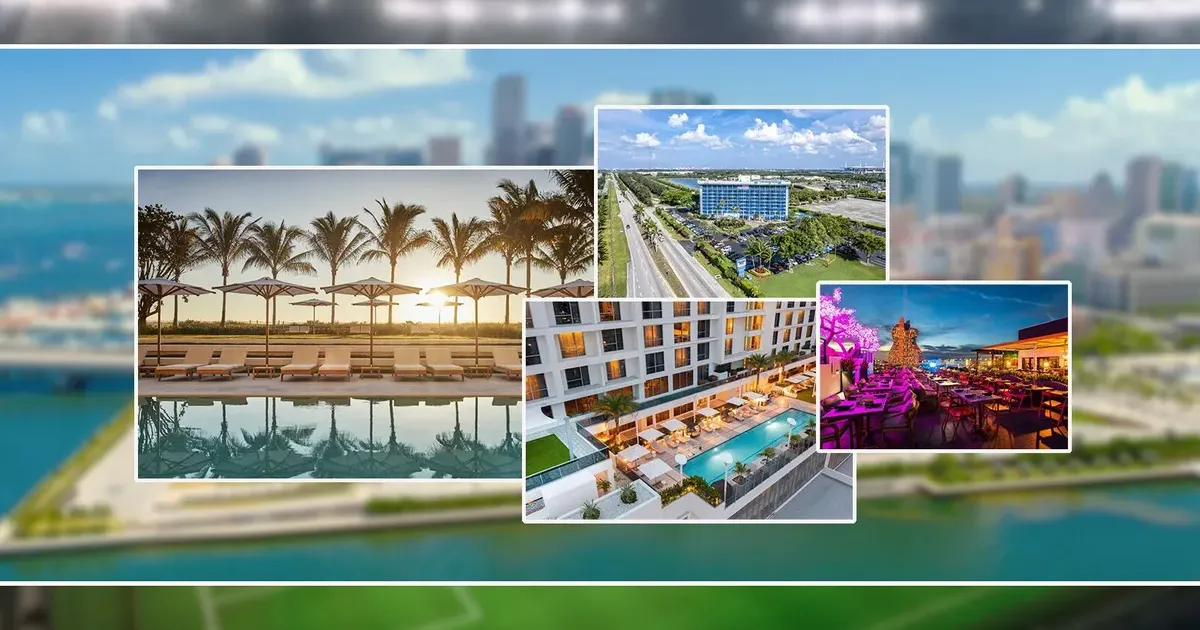
The lodging story is about access as much as tourism. Prices are already shaping World Cup planning. Fans now have to budget around the host city, not just the match ticket. March 30, 2026, marks a critical deadline for hospitality planners as Hard Rock Stadium prepares to host the most meaningful matches of the upcoming FIFA World Cup. Hard Rock Stadium officials confirmed that security perimeters and transit zones are now finalized for the multi-city tournament. Miami Gardens, the suburban site of the venue, faces a sudden influx of international visitors that dwarfs its typical Sunday football crowds. Hard Rock Stadium sits approximately 20 miles north of the tourism hubs in downtown Miami and South Beach, forcing travelers to choose between logistical ease and coastal luxury.
Property managers in Miami Gardens report nearly full occupancy for the group stage fixtures. Staying near the gates allows fans to avoid the notorious gridlock of the I-95 and Florida Turnpike corridors. While the immediate area provides fewer five-star options, it offers practical advantages for those prioritizing the pitch over the party. Most hotels in this northern sector feature larger floor plans and ample parking designed for the American football season. These properties regularly manage the high-volume crowds associated with the Miami Dolphins and the Miami Open tennis tournament.
Walking to the stadium is only feasible from a handful of budget-friendly properties located within a two-mile radius. Pedestrian infrastructure in Miami Gardens is often interrupted by wide boulevards and high-speed traffic. Fans opting for these nearby stays will find a quieter, less tourist-centric environment compared to the neon-lit avenues of the south. These travelers trade the Atlantic breeze for immediate proximity to the turnstiles.
1 Hotel South Beach is taking a different approach to the World Cup, focusing on private, high-end group stays timed to the knockout rounds.
Elite travelers often find the suburban hotel stock insufficient for their requirements. They look toward the coast for service standards that match the prestige of a global final. This tension between proximity and prestige defines the Miami World Cup experience. Every major sporting event in the city follows this pattern of geographic divergence.
Luxury Accommodations at 1 Hotel South Beach
1 Hotel South Beach represents the pinnacle of the high-end lodging market during the knockout rounds. Located at 2341 Collins Avenue, the property is a 30-minute drive from the stadium under ideal conditions. Nightly rates for this period start at $1,200, reflecting its status as a premier destination for corporate sponsors and international dignitaries. The hotel focuses on curated experiences rather than simple room stays. Its commitment to sustainable luxury appeals to a specific demographic of global soccer enthusiasts.
Private groups often secure entire floors to ensure privacy and security during the tournament. Management at the property has pivoted its strategy to cater to these high-net-worth clusters. Large-scale events at the stadium, like the Formula 1 Miami Grand Prix, have already tested this model. High-end visitors value the ability to retreat to the ocean after the intensity of a high-stakes match. They prioritize the amenities of a world-class resort over the convenience of a short walk to the stadium.
Beachfront access and rooftop pools serve as major draws for fans with deep pockets. 1 Hotel South Beach offers expansive views of the Atlantic and sophisticated dining options that Miami Gardens lacks. While the commute is long, the environment provides a stark contrast to the concrete surroundings of the stadium district. Luxury travelers view the transit time as a necessary trade-off for superior comfort and security. They frequently use private car services to reduce the frustrations of local traffic.
Transportation Strategies for International Soccer Fans
Success during match week depends entirely on pre-booked transportation. Relying on spontaneous rideshare requests is a strategy full of risk. Many veteran travelers are hiring private drivers for the entire duration of their stay. This ensures a guaranteed return trip once the stadium clears. FIFA officials have encouraged the use of official park-and-ride schemes to ease pressure on the Miami Gardens road network.
Shuttle services operated by hotels remain the most efficient way to reach the gates for those not using private cars. These buses often have access to priority lanes or specialized staging areas. International fans should verify the existence of these services before confirming their reservations. A hotel that offers a shuttle can save a guest hundreds of dollars in rideshare fees over the course of three matches. Availability of these services is often limited to specific booking tiers.
Parking at the stadium is another serious expense. $50 is a common baseline for standard parking during major events, with premium spots reaching much higher. Fans staying in the city center should consider the total cost of a rental car plus parking versus a dedicated shuttle or car service. The financial burden of local transit often equals the cost of the match tickets themselves. Planning for these hidden costs is essential for a stress-free tournament experience.
World Cup Travel Costs
World Cup travel planning is already moving from sport to logistics. Fans who wait for the draw may find that hotels, flights and local transport have already absorbed much of the available budget.
Miami's challenge is capacity. The city can sell itself as a global event hub, but visitor experience will depend on whether lodging prices leave ordinary supporters with realistic options.