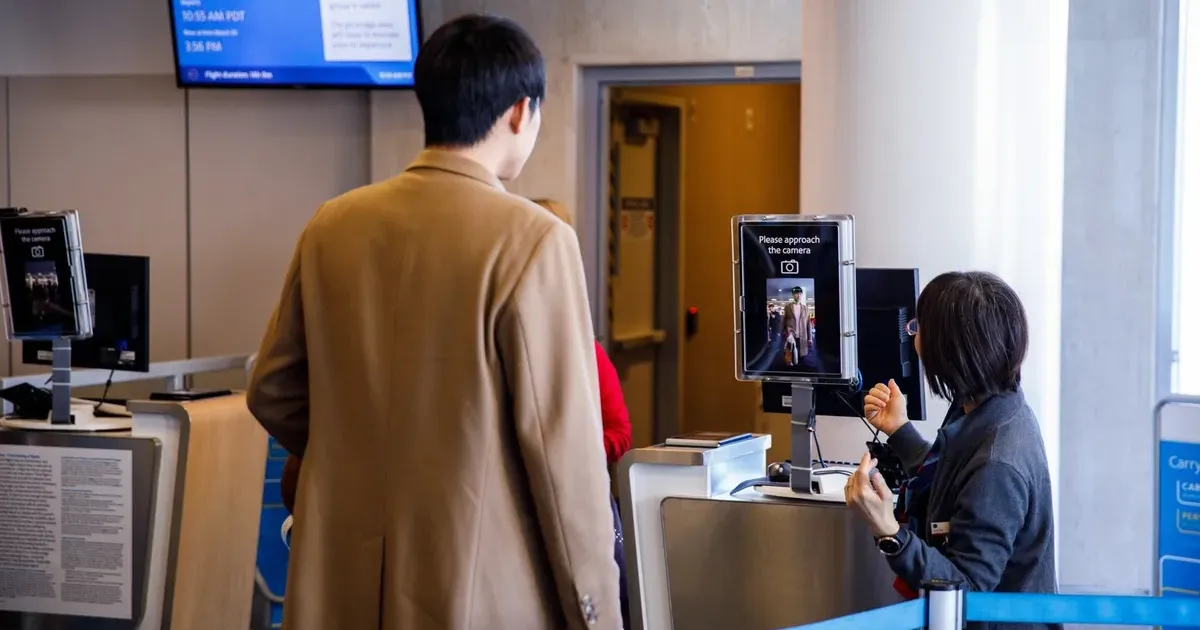
Airline credit cards used to be sold mainly through miles, free checked bags and lounge access. Those benefits still matter, but one of the most visible perks now appears before the aircraft door closes: boarding earlier than the general crowd. Alaska Airlines and American Airlines show how a credit card can move a traveler up the gate hierarchy without putting that traveler in first class or top elite status.
The appeal is simple. Overhead-bin space is limited, full flights are common, and many passengers would rather keep a carry-on nearby than risk a gate check. Earlier boarding does not make the seat wider or the flight shorter. It reduces one small but persistent point of travel stress.
The Gate Is Now A Card Benefit
Boarding order has therefore become valuable to airlines and banks. It is cheaper to grant than a larger seat, easier to understand than a mileage chart and visible on almost every trip. The passenger feels the benefit in real time. The airline gives away sequence rather than a tangible product, while the bank gets a perk that helps justify an annual fee.
The tradeoff is that the boarding line becomes more stratified. Families, elite members, premium-cabin passengers, military categories, cardholders and general travelers all occupy different positions before anyone has sat down. What once felt like a routine queue now works more like a public ranking of fare, status and financial relationship.
Alaska Makes Group C A Loyalty Signal
Alaska's Atmos Rewards Ascent Visa Signature card, issued by Bank of America, includes preferred boarding when eligible flights are paid for with the card. Bank of America also advertises the free checked bag and preferred boarding benefit for the cardholder and up to six guests on the same reservation. Travel-guide boarding charts place eligible Atmos Ascent and Summit cardholders in Group C.
Group C is not the front of the plane. It still follows the highest-priority categories. But it is early enough to matter on full flights, especially on narrow-body aircraft where bin space can disappear before later groups reach the aisle. For a traveler carrying work equipment, medicine, camera gear or a tight connection, the difference between Group C and late general boarding can feel larger than the marketing language suggests.
The Atmos rebrand after the Alaska-Hawaiian combination is also important. The card is not just a way to earn points on a single airline name. It sits inside a broader loyalty system that includes Alaska and Hawaiian, companion-fare rules, checked-bag benefits and status-oriented behavior. Boarding order is the most public piece of that system because every passenger can see it being enforced at the gate.
American Turns Priority Into A Ladder
American Airlines uses a more segmented boarding structure, and that makes the credit-card distinction clearer. The Citi / AAdvantage Executive World Elite Mastercard carries a listed $595 annual fee and includes priority boarding on eligible American flights. Current boarding explainers place that card's priority benefit at least in Group 4, ahead of later preferred and general groups.
That placement is different from the more limited preferred-boarding benefit attached to some other AAdvantage cards. In practice, American has a card ladder inside the boarding ladder. A premium card can move a traveler closer to the front even without a premium-cabin ticket, while a lower-tier card may still leave that traveler behind several more categories.
The Executive card's value is not only boarding; Admirals Club access and other airport benefits are major parts of the package. But boarding is the recurring signal. A traveler may skip the lounge on a short connection or at an airport where it is inconvenient. The boarding group appears on nearly every eligible trip.
The Real Perk Is Bag Certainty
Airlines sell early boarding because passengers are not only buying time. They are buying a better chance that their bag stays near them. Checked-bag fees, basic-economy restrictions, packed cabins and tighter schedules all make the gate feel competitive. Earlier boarding offers a paid escape from part of that competition.
That does not mean every traveler should chase the perk. A passenger who checks bags, flies off-peak, carries only a backpack or rarely uses one airline may get little value from an earlier group. A frequent flyer who boards full flights with a roller bag may value the benefit every month. The same perk can be trivial for one traveler and decisive for another.
The Value Can Dilute
The model has a built-in limit. If too many passengers hold cards promising early access, the early group becomes crowded and less protective. Airlines can respond by adding subgroups, premium cards, spending thresholds or status layers, but each adjustment makes the system more difficult for ordinary travelers to read.
That is the real shift. Airline credit cards are no longer just about earning travel later. They increasingly shape the airport experience now, before the plane leaves the gate. The overhead bin is the visible prize, but the deeper product is relief from a boarding system that airlines and banks have learned to monetize together.