The travel shift is practical before it is scenic. The rail shift matters because travel behavior changes first through price, delay and reliability. California operators now have to prove that seasonal demand can be absorbed without crowding. That service test will shape whether the pivot lasts. March 30, 2026, marked a meaningful shift in West Coast transit as Amtrak reported record bookings for summer and fall corridors across the state. Regional travel within California once relied heavily on a network of short-haul flights, but systemic failures in the aviation sector have redirected thousands of passengers toward the tracks. Persistent federal shutdowns have hollowed out the workforce at major hubs like Los Angeles International and San Francisco International, leaving runways prone to operational bottlenecks. Reduced staffing at the Transportation Security Administration has forced travelers to endure three-hour security queues for flights that take only sixty minutes to reach their destination. High fuel costs driven by conflicts in the Middle East have pushed economy fares to levels that many weekend vacationers find unsustainable. Rail travel offers a predictable alternative to this atmospheric instability.
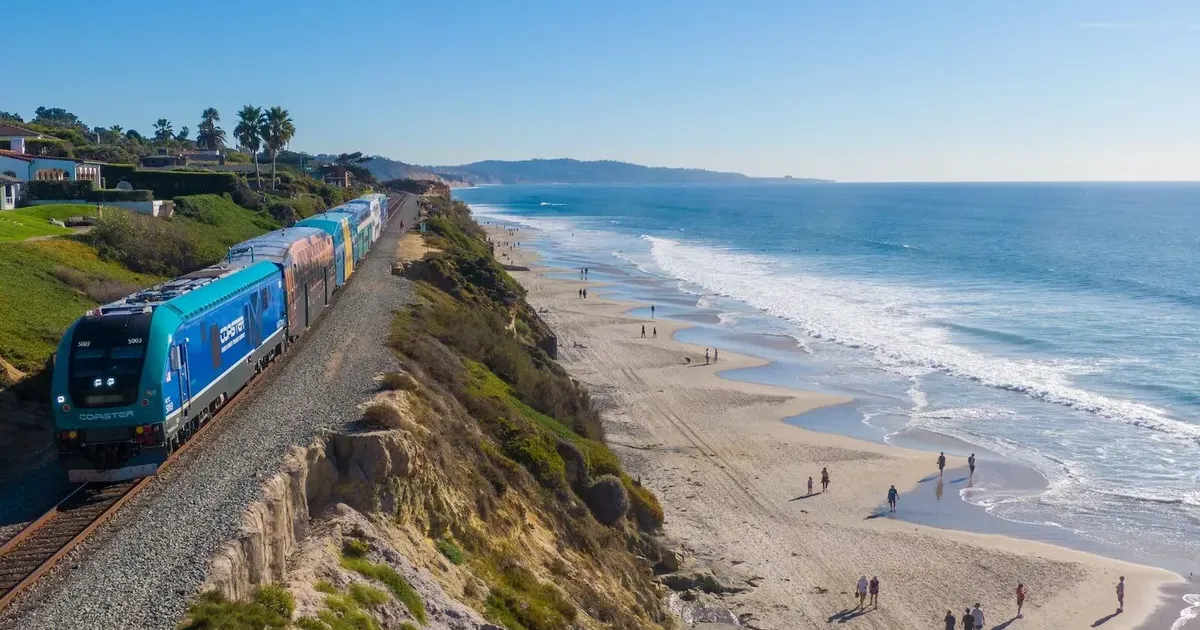
Coastal erosion near San Clemente has occasionally disrupted service, yet the California Department of Transportation continues to prioritize rail stabilization projects to ensure route longevity. Engineering teams have invested heavily in seawall reinforcements and track relocation studies to prevent future closures during high-tide events. Reliability remains the primary metric for the thousands of commuters who use the line to reach business districts in Orange County and Los Angeles. Fares for a one-way trip between Anaheim and Carpinteria often cost less than the price of airport parking for a single weekend. Passengers avoid the indignity of middle seats because the Surfliner fleet utilizes a 2-2 seating configuration across all coach carriages. Most trains on this route offer unreserved coach seating, which allows for spontaneous travel decisions without the penalty of last-minute booking fees. Unlike airlines that charge for every checked item, Amtrak allows two carry-on bags and two personal items for free.
Capitol Corridor Links Northern Metropolitan Centers
Northern California offers a different but equally strong rail experience via the Capitol Corridor, which connects the tech hubs of Silicon Valley with the state capital. Business travelers from San Jose frequently use this service to reach meetings in Sacramento, avoiding the unpredictable traffic patterns of the East Bay. The route passes through the marshlands of Suisun Bay and follows the coastline of the Carquinez Strait, offering views of the mothballed naval fleet. Frequent daily departures ensure that missing one train does not result in a ruined itinerary.
Each station along the line provides easy transitions to local transit systems like BART in Richmond or the Sacramento Light Rail. Bicycles are welcomed on board, making it a favorite for outdoor enthusiasts heading to the American River Parkway. Recent data shows that ridership on the Capitol Corridor has increased by 15% since the beginning of the federal aviation slowdowns.
Experts at the California State Transportation Agency have noted that flight prices are likely to rise through the end of the year, making rail the most viable economic choice for middle-class families. Sacramento is a gateway for those looking to extend their journey into the Sierra Nevada mountains via the California Zephyr. While the Zephyr is a long-distance route terminating in Chicago, the segment between Sacramento and Truckee is a premier weekend excursion during the autumn months. Passengers witness the dramatic elevation gain as the train climbs the granite faces of the mountains near Donner Pass. Truckee offers a central base for exploring Lake Tahoe, located just a short shuttle ride from the historic brick station.
Fall colors in the high sierra provide a visual incentive for travelers who prefer the observation car to a cramped airplane cabin. Reservations for the Zephyr must be made in advance due to its popularity among international tourists. The price of a coach seat on this mountain climbs typically stays below $50 if booked a few weeks prior to departure.
San Joaquin Routes Enable Inland Valley Access
Central Valley residents rely on the San Joaquins line to bridge the gap between the agricultural heartland and the coastal urban centers. This route runs from Bakersfield through Fresno and Modesto, eventually splitting to serve either Oakland or Sacramento. It provides an essential link for students at the University of California, Merced, and families visiting Yosemite National Park. Amtrak Thruway buses coordinate with train arrivals in Merced to transport hikers directly to the valley floor of the national park. Traveling by rail eliminates the need to secure a vehicle entry reservation during peak summer months, as bus passengers are often granted entry as part of their transit package. The San Joaquins fleet recently underwent a $2.4 billion modernization effort to introduce new Venture railcars. These cars feature wider aisles, improved climate control, and enhanced disability access to accommodate a broader range of travelers.
Agricultural vistas dominate the scenery along the San Joaquin tracks, offering a perspective on the state's food production that is invisible from the high-altitude flight paths. Workers in the valley use the train as a mobile office, taking advantage of the quiet cars to focus on tasks without the interruptions of a crowded terminal. Food service on these routes emphaveizes regional products, including almonds and dried fruits sourced from the surrounding counties. Security procedures at rail stations are streamlined, requiring only a valid ticket and a quick ID check rather than the invasive screening found at airports.
This efficiency allows travelers to arrive at the station just fifteen minutes before departure. Passenger surveys indicate that the lack of hidden fees is a major factor in the route's continued growth. Families traveling with children find the ability to walk between cars and use the restrooms at any time to be a serious advantage over air travel.
Coast Starlight Offers Long Distance Luxury
Luxury seekers often choose the Coast Starlight, which Amtrak markets as one of its most scenic long-distance journeys in the Western United States. The route covers over 600 miles within California alone, starting in Los Angeles and heading north through the Salinas Valley and the Bay Area before crossing into Oregon. Its most famous segment is the run along the Gaviota Coast north of Santa Barbara, where the tracks sit mere feet from the Pacific bluffs. No highways parallel this section of the coast, making the train the only way to see these pristine landscapes. Sleeper car passengers enjoy inclusive meals in the dining car, featuring white tablecloth service and chef-prepared entrees. Even coach passengers have access to the Sightseer Lounge, a car with floor-to-ceiling windows designed specifically for sightseeing. The lounge car is frequently staffed by National Park Service volunteers who provide historical commentary on the passing terrain.
Paso Robles has become a top destination for Coast Starlight passengers interested in the local viticulture and hot springs. The station is located within walking distance of the downtown square, allowing visitors to explore tasting rooms without the need for a rental car. Heading further north, the train enters the rugged Santa Lucia Range, navigating the Cuesta Grade via a series of tunnels and horseshoe curves. This engineering feat provides a slow-paced look at the oak-studded hills of the Central Coast. Passengers often report that the social atmosphere of the lounge car is a highlight of the trip, as travelers from across the world share stories over coffee. The Coast Starlight is prone to delays because it shares tracks with freight carriers, yet the quality of the onboard experience often reduces the frustration of a late arrival. Tickets for sleeperettes can be expensive, but the coach experience provides nearly identical views for a fraction of the cost. The train departs Los Angeles daily at approximately 10:00 AM, making it a perfect anchor for a long weekend trip.
Rail Travel Shift
Rail gains ground when delays, airport costs and regional access all move in the same direction. For California travelers, the practical question is whether the train offers enough reliability to replace short flights and weekend drives.
The next service test will be capacity, reliability and fare clarity during the busiest travel weeks. If bookings keep rising through summer and fall, state agencies and Amtrak will face pressure to turn a temporary travel shift into a durable service upgrade.