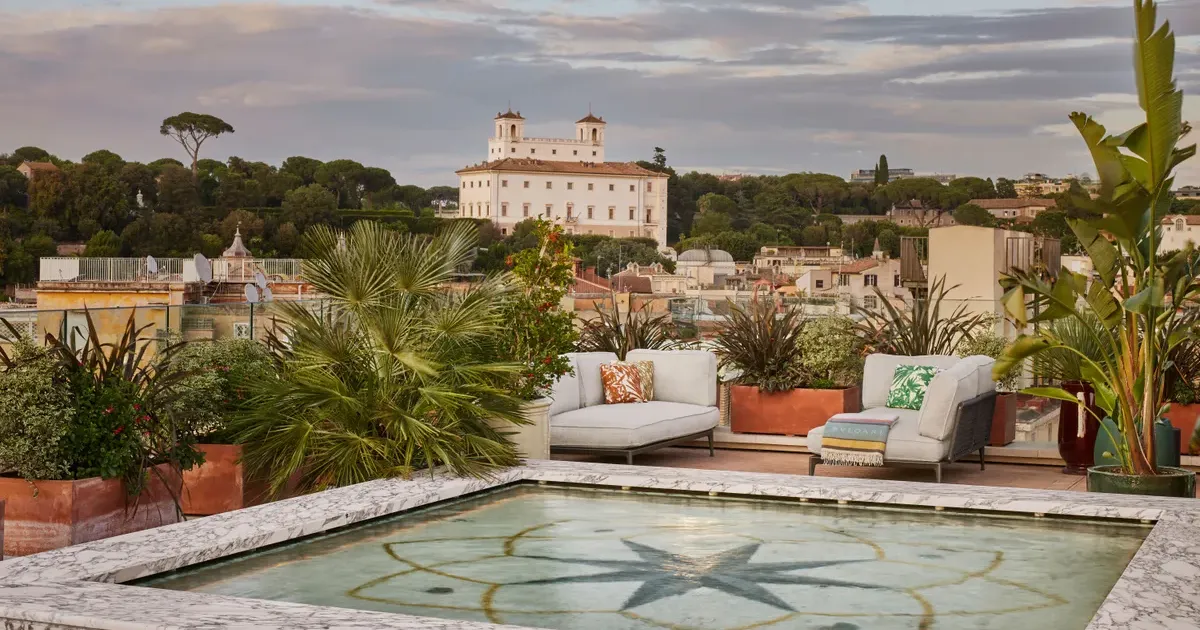
Rome's luxury hotel market is no longer defined only by the grand addresses that travelers have known for decades. The Spanish Steps, Via Condotti, Via del Babuino and Via Veneto still carry the strongest luxury signal, but newer openings and renovated properties are pulling attention into Monti, historic palazzos near the Trevi Fountain and revived streets that want a second act. The result is a richer hotel map and a sharper planning question for the city.
The current wave is built on conversion as much as construction. Old schools, banks, monasteries, townhouses and private palazzi are being turned into polished stays with restaurants, rooftops, spas and design stories attached. For travelers, the conversions create more choice. For Rome, it raises the familiar tension between restoration and residential pressure.
The Tridente Still Sets the Price of Prestige
The Tridente remains Rome's clearest luxury zone because it links shopping, monuments and walkable status. Hotels near Piazza di Spagna, Via Condotti and Piazza del Popolo can sell location without much explanation. Bulgari Hotel Roma sharpened that signal by tying the brand's Roman identity to the area around the Mausoleum of Augustus, using design, archaeology and high service standards as part of the stay.
A property of that scale sets a benchmark that smaller hotels cannot copy directly. It also changes traveler expectations. A high-end guest now looks for more than a room near a landmark. They expect a point of view: a terrace, a restored interior, a serious restaurant, a spa, private access or a concierge story that feels specific to Rome.
Monti Sells Texture Instead of Formal Grandeur
Monti has become attractive because it offers a different version of the city. It is close to the Colosseum and Forum, but its appeal is also in smaller streets, independent restaurants, workshops and a less ceremonial atmosphere. Properties such as Casa Monti fit that mood by selling design and neighborhood energy rather than old-school palace formality.
The danger is built into the attraction. Hotels market the life of a neighborhood, then help change the economics that produced it. A few strong properties can restore buildings and support local businesses. Too many short-stay conversions can make the street feel curated for visitors rather than lived in by residents.
Via Veneto Is Trying to Make Memory Useful Again
Via Veneto still has the echo of La Dolce Vita, but nostalgia is not enough to fill high-priced rooms. The street's revival depends on whether new luxury projects can make the area feel current. Planned and recent openings tied to major brands, including Rosewood's Rome project in the former Banca Nazionale del Lavoro building and the wider return of grand hotel investment, show that operators still believe the address can be renewed.
Older institutions matter in that frame. Hotel Eden and the Westin Excelsior carry long histories near Via Veneto, but they also have to compete with newer properties that promise sharper design and stronger wellness or dining programs. A famous street helps. It no longer closes the sale by itself.
Palazzo Hotels Turn Preservation Into Product
The most persuasive Rome hotels now treat architecture as part of the value. Six Senses Rome, Orient Express La Minerva, Palazzo Talia and other restored properties show how the city can turn difficult historic buildings into contemporary hospitality without erasing their past. Luxury can serve a preservation function here: money goes into fabric that might otherwise decay or remain underused.
But preservation cannot stop at the facade. If a building is beautifully restored while the surrounding block loses everyday services, the city gains a luxury asset and loses part of its social use. The best projects should employ local workers, keep public-facing ground floors alive and avoid turning entire streets into guest-only corridors.
Travelers Get More Choice, Residents Carry the Cost
For visitors, the new hotel spread is useful. A traveler who wants museums and shopping can stay in the Tridente. Someone who wants restaurants and a looser street rhythm may prefer Monti. A guest chasing grand-hotel history can still choose Via Veneto. The wider choice makes Rome more competitive with Paris, London and Milan for high-end city breaks.
For residents, the effect is more complicated. Luxury hotels create jobs, renovate properties and bring spending. They also lift rents, crowd services and push neighborhoods toward visitor priorities. Rome cannot treat every conversion as cultural rescue, and it cannot treat every hotel as damage. The practical test is narrower: does the project restore a building, support daily street life and leave space for people who are not guests?
The real measure of Rome's hotel boom is its effect on the city. A better luxury map can help the city, but only if the city remains more than scenery for premium travel. The strongest hotels understand that Rome's value comes from layers of ordinary life as much as from marble, rooftops and famous addresses.