The April rewards push turned premium cards into a consumer battleground. These refreshed incentives arrived as financial institutions attempted to capture a larger share of the premium spending market during the spring travel surge. American Express launched a series of high-value credit card offers on April 1, 2026, targeting business owners and frequent travelers seeking to maximize point valuations. Spending requirements for the most lucrative tiers now reach levels that demand meaningful capital outlay from applicants.
Banks frequently adjust these welcome bonuses to reflect shifts in consumer behavior and internal growth targets. High-end cards like The Business Platinum Card from American Express currently offer 200,000 points, provided the cardmember meets a large spending threshold within the first three months. The cash equivalent of such a bonus often exceeds several thousand dollars when redeemed through high-value travel partners.
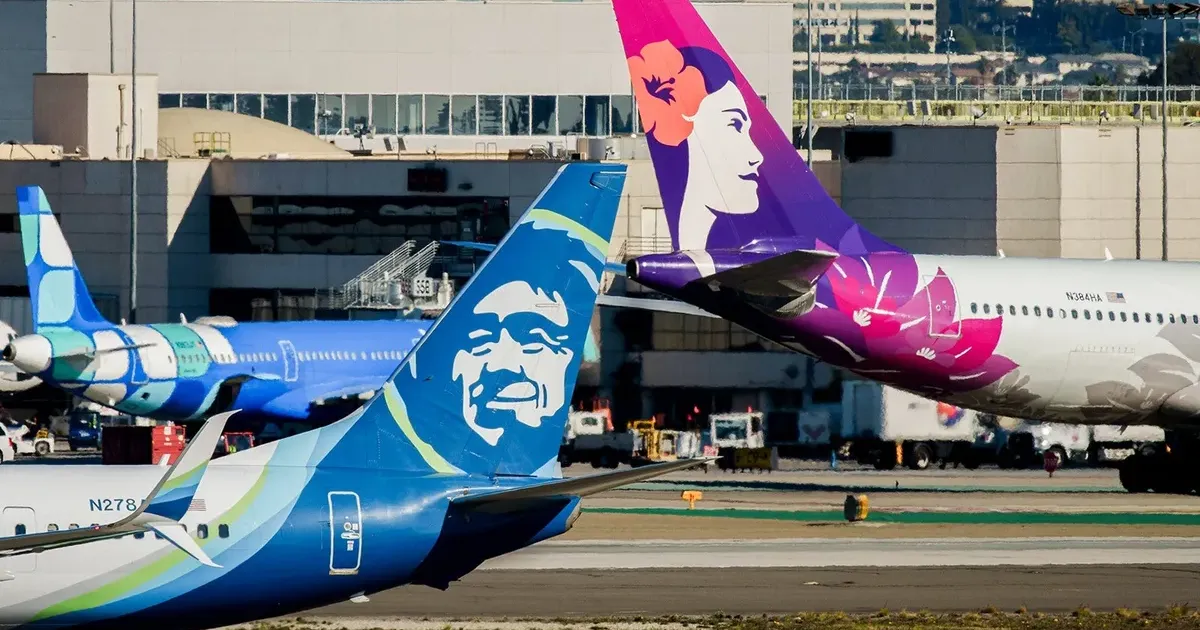
Simultaneously, the competitive landscape for airline loyalty programs has shifted due to major carrier integrations. Bank of America introduced updated terms for its Atmos Rewards suite, a program resulting from the operational alignment between Alaska Airlines and Hawaiian Airlines. These changes suggest a concerted effort to migrate legacy customers into a single, unified rewards ecosystem under the Atmos brand name.
Atmos Rewards Integration and Market Disruption
Atmos Rewards now functions as the primary loyalty vehicle for both Alaska and Hawaiian carriers, allowing travelers to earn and redeem points across a combined network. This integration allows for point utility on a wider range of partner airlines, including international carriers within global alliances. Collectors of these points find that the flexibility of a merged currency provides more redemption options for trans-Pacific and domestic routes.
The program currently highlights three specific cobranded credit cards, including one business and two personal variants. For the first time in the program's history, the welcome offers have reached a peak level of 100,000 points. Potential applicants must weigh these points against the specific benefits offered by each card tier. The Atmos Rewards Summit Visa Infinite card leads the group with the most complete benefits package.
Beyond the raw point totals, the Atmos Rewards Summit Visa Infinite card includes a Global Companion Award. Members receive 25,000 points toward this award after meeting a spend requirement of $6,500 within the first 90 days. A 50% flight discount code for a qualifying future flight is also included as a primary incentive for new account holders. The discount applies only to flights purchased with cash on Alaska or Hawaiian metal. Earning structures on these cards target specific consumer behaviors, particularly dining and direct airline purchases. Cardholders earn 3 points per dollar on eligible Alaska and Hawaiian transactions, as well as on dining and foreign purchases. All other categories generate 1-point per dollar. These rates reflect a standardized approach to premium travel cards in the current market.
Strategic Spending Requirements for Premium Tiers
Accessing the top-tier bonuses in April 2026 requires a calculated approach to monthly cash flow. The American Express Business Platinum card requires $20,000 in purchases within a three-month window to unlock its 200,000-point bonus. Such a high barrier to entry effectively limits the offer to established business entities or individuals with serious upcoming expenses. Failure to reach the target by even a small margin results in the total forfeiture of the welcome bonus.
By contrast, the Atmos Rewards Summit Visa Infinite presents a lower barrier with its $6,500 requirement. While smaller than the American Express target, it remains higher than previous iterations of the same card which required only $6,000. Issuers have incrementally raised these spending floors over the last 24 months to ensure cardholder quality and long-term engagement. The Points Guy valuation for the Atmos bonus package sits at approximately $1,750 when including the Global Companion Award.
"Earning new card bonuses is the fastest way to accumulate a stash of points and miles," according to a report from The Points Guy.
Travelers often find that timing an application is as critical as the choice of the card itself. Many issuers maintain strict rules regarding how frequently a customer can earn a welcome bonus on the same product line. American Express, for example, often employs a once-per-lifetime policy for its personal and business cards. This policy forces consumers to wait for the highest possible offer before committing to an application.
Industry data indicates that these elevated offers are frequently temporary. Banks use them as customer acquisition tools during specific fiscal quarters. Once internal quotas are met, the bonuses often revert to lower baseline levels without prior notice. Applicants who delay their decisions risk losing out on tens of thousands of potential points. The current Atmos offer is confirmed as the highest ever recorded for that specific product line.
Cost Benefit Analysis of Rising Annual Fees
Annual fees for these premium products continue to climb, reflecting the increased cost of maintaining airport lounge networks and concierge services. The Business Platinum Card from American Express carries an annual fee of $895, making it one of the most expensive non-invite cards on the market. Cardholders must extract meaningful value from the statement credits and point multipliers to justify this recurring cost. The fee is charged immediately upon the first billing statement.
The Atmos Rewards Summit Visa Infinite carries a more moderate fee of $395. This price point positions it against other mid-to-high-tier travel cards like the Chase Sapphire Reserve or the Capital One Venture X. Benefits such as a 10,000-point anniversary bonus help offset the cost for long-term holders. For the casual traveler, these fees represent a serious upfront investment that requires active management of the card's perks.
Market analysts observe that the proliferation of 0% introductory APR cards provides an alternative for those not interested in travel rewards. These cards focus on debt management and large purchase financing rather than point accumulation. However, the value of a 200,000-point bonus generally outweighs the interest savings for those who pay their balances in full each month. The choice between rewards and financing remains a central tension in consumer credit strategy.
Ultimately, the April 2026 offers represent a high-water mark for airline and business rewards. Integration between Alaska and Hawaiian Airlines has created a temporary window of aggressive customer poaching. Consumers who can meet the spending requirements stand to gain meaningful travel capital. The Atmos Rewards Summit Visa Infinite offer includes 100,000 bonus points and the unique 50% discount code.
Credit Card Loyalty Pressure
The current frenzy for premium credit card bonuses is less a boon for travelers and more a desperate attempt by lenders to lock consumers into high-fee ecosystems before the next economic contraction. By dangling 200,000 points or companion fares, institutions like American Express and Bank of America are effectively buying customer loyalty at a time when brand switching is at an all-time high. These bonuses are not gifts; they are loss leaders designed to normalize enormous annual fees that were unthinkable a decade ago.
Why would a rational consumer pay nearly $900 a year for a piece of metal? The answer lies in a manufactured sense of exclusivity that the banks have perfected. By tying rewards to enormous spending requirements, they ensure their portfolios are filled with high-net-worth individuals who generate consistent swipe fees. It is a tiered society disguised as a rewards program. If you are not spending $20,000 in a quarter, you are essentially subsidizing the lounges and first-class upgrades of those who do. It is a regressive system that rewards the wealthy for being wealthy.
The merger of Alaska and Hawaiian Airlines into Atmos Rewards further consolidates power in the hands of a few banking partners. As choices dwindle, the value of each point is subject to the whims of corporate bean counters who can devalue a currency overnight. The April surge is a trap for the unwary spender. Play the game with precision or do not play at all.