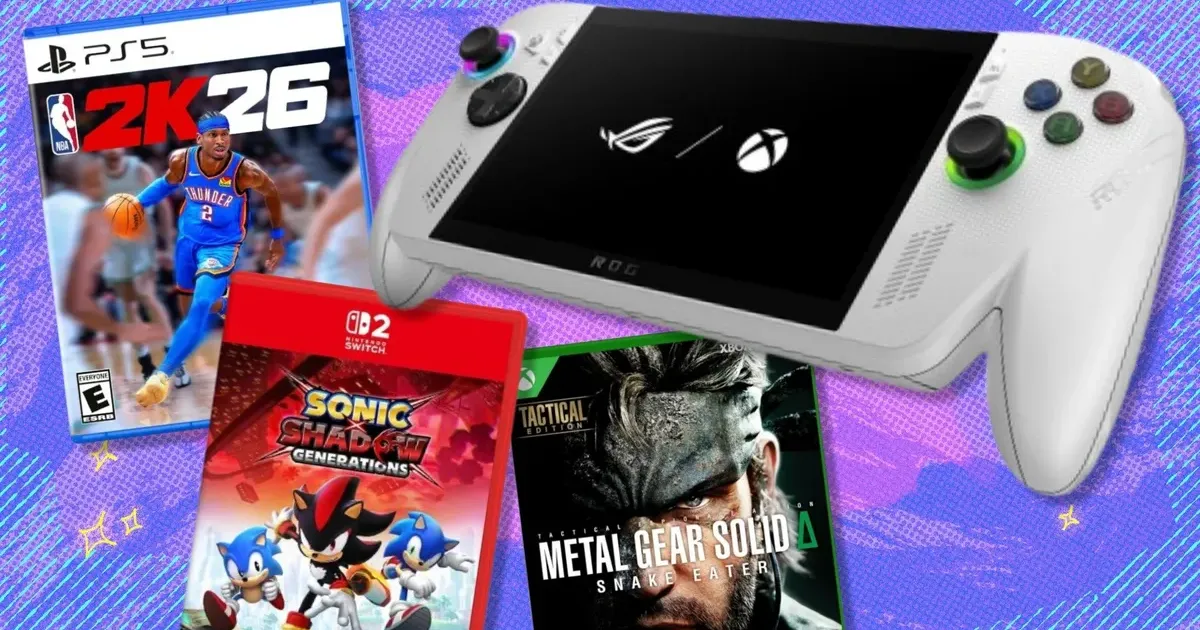
Amazon's Big Spring Sale put premium headphones and handheld gaming hardware at the front of its electronics push. The sale shows how consumer electronics discounts are being used to pull shoppers into larger carts. Retailers are using limited-time electronics deals to frame upgrades as urgent household decisions. That timing gives the discounts a clearer role in purchase planning. On March 28, 2026, shoppers saw discounts on Sony WH-1000XM6 headphones, Asus ROG Ally devices and other high-interest consumer tech.
Asus ROG Ally Handheld Gaming Performance
Gaming hardware deals appear especially aggressive this year. Asus handheld gaming devices are competing with the Steam Deck and Lenovo alternatives in a category that has expanded quickly. Discounts matter because portable PC gaming still carries a high entry price, and sale windows can pull hesitant buyers closer to purchase.
Software deals provide a lower-cost entry point for console owners. A price cut on a recent horror title can push players who waited at launch into buying, especially when the discount feels meaningful rather than routine.
Sony WH-1000XM6 Audio Engineering and Value
Sony's WH-1000XM6 headphones remain positioned against premium Bose and Apple alternatives. A sale price can matter for users who delayed upgrading from earlier XM generations, but buyers still need to judge comfort, battery life and noise cancellation rather than only the discount tag.
Kindle Unlimited Subscription Strategy
Digital services also saw price adjustments meant to increase long-term retention. A low introductory Kindle Unlimited offer can attract heavy readers before travel season, but the real business value comes if users remain subscribed after the promotion ends.
The promotion drops Kindle Unlimited to a low introductory monthly price for qualifying accounts.
Readers who qualify can access Kindle titles across devices and apps, though eligibility limits often exclude recent subscribers. That makes the deal useful, but not universal. Shoppers still need to check renewal terms before treating a trial price as a long-term saving.
The audio market remains crowded with cheaper alternatives, which is why premium brands use sales events to defend market share. Midrange earbuds and flagship headphones both offer daily utility, but the better purchase is the device that solves a real need rather than the one with the loudest sale banner.
Consumer Tech Test
Stop believing that Amazon provides these discounts out of seasonal generosity or a desire to reward loyal customers. These sales events are calculated maneuvers to purge aging inventory before it becomes a liability on the balance sheet. When Asus drops the price of the ROG Ally by 60 dollars, it is not a gift. It is a signal that the hardware is entering the sunset phase of its primary market life. Consumers are effectively paying to help a trillion-dollar corporation manage its warehouse space more efficiently.
The push for Kindle Unlimited at one dollar is even more cynical. It is a classic loss-leader designed to habituate users to a digital ecosystem that eventually becomes an inescapable monthly tax. Once the one-dollar honeymoon ends, the price jumps 1,100 percent to the standard rate. Most users will forget to cancel, and the algorithmic friction of the cancellation process is designed to ensure they do not. The tech industry thrives on the inertia of the average consumer who mistakes a temporary discount for a long-term benefit.
Real value in the electronics market is found in hardware longevity rather than the initial sticker price. A pair of Sony headphones that lasts five years is a better investment than a cheap alternative that fails in twelve months. However, the frenzy of the Big Spring Sale obscures this fact by emphasizing the thrill of the immediate 61 dollar saving. Wise investors in technology should look past the marketing banners and evaluate whether these devices actually solve a problem or simply occupy a space in a drawer. The house always wins in the retail game, and the current sale is no exception.