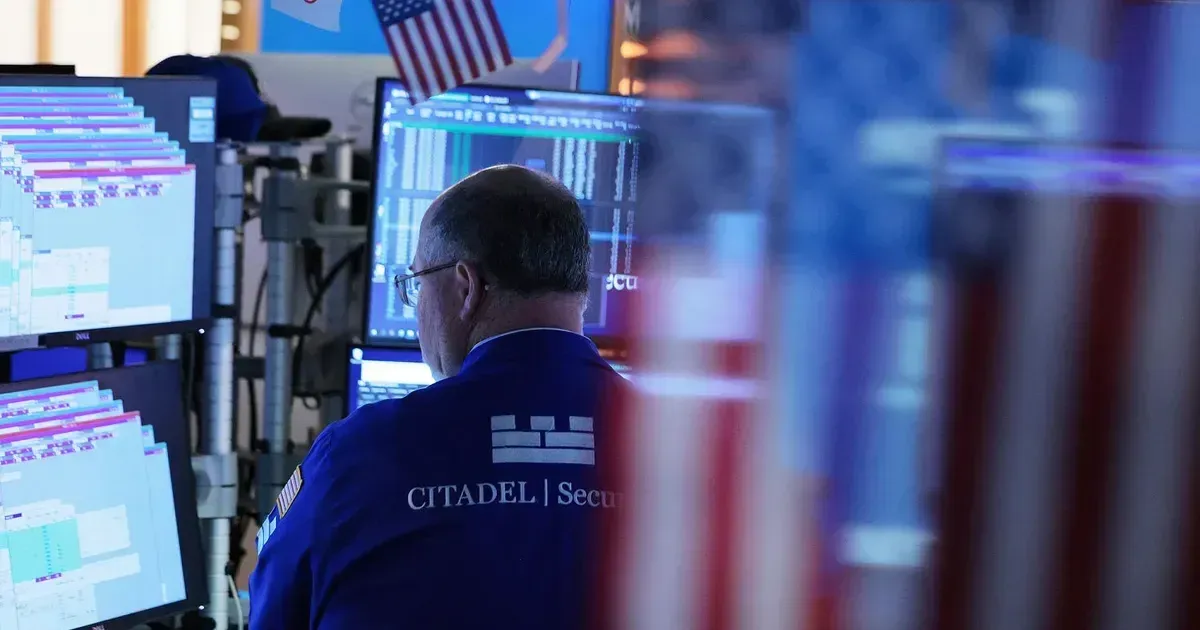
Wall Street reached a record high while investors looked past the Iran conflict. The rally showed how quickly traders were treating a diplomatic off-ramp as the base case. April 15, 2026, provided the backdrop for the rally. S&P 500 futures climbed steadily before the opening bell in New York. Investors ignored geopolitical instability in favor of optimistic diplomatic projections. Gains across technology and defense sectors pushed the index to its highest level in history.
Trading floors echoed with a confidence that seemed to defy the reality of regional warfare. Crude prices remained elevated, yet equities across the board saw huge inflows from institutional funds. Many analysts pointed to the resilience of corporate earnings despite the pressure of energy costs. Total trading volume on the New York Stock Exchange exceeded recent quarterly averages by 14%.
Tehran and Washington have signaled a willingness to return to the negotiating table for a fresh round of peace talks. Market participants are treating the eventual de-escalation of the U.S.-Israeli conflict with Iran as a certainty. Risk appetite grew throughout the session. Investors frequently buy the rumor of peace long before the ink on any treaty dries.
Global growth projections recently dipped due to shipping disruptions in the Persian Gulf. Economic indicators suggest that while the war cut into short-term supply chains, the broader industrial base stays solid. Manufacturing data released on April 15, 2026, showed a surprise expansion in domestic output. Factory orders rose by 2.2% during the last month.
Market Reactions to Persian Gulf Tensions
Institutional desks moved away from safe-haven assets like gold and toward growth-oriented stocks. This shift occurred even with oil prices hovering near $110 per barrel. Energy companies benefited from the high price of crude, but the rally was not confined to that sector. Software and semiconductor firms led the charge during the afternoon rally.
War-related volatility often creates entry points for long-term hedge fund managers. Large-scale buy programs triggered once the S&P 500 breached its previous resistance level of 5,400. Confidence in the Federal Reserve and its ability to manage inflation contributed to the buying spree. Capital stayed within the equity markets rather than fleeing to bonds.
Defense contractors saw a particularly sharp rise in valuation. Major aerospace firms reported new contracts linked to the replenishment of munitions used during the early weeks of the conflict. Shares in these companies rose an average of 4.5% during the Wednesday session. Logistics firms also saw gains as they adapted to new trade routes around the conflict zone.
Geopolitical analysts noted that the scale of the conflict remained limited enough to prevent a total global recession. Regional powers have resisted a wider escalation that would fully close the Strait of Hormuz. Trading continued through alternative corridors. Markets priced in a temporary disruption instead of a permanent structural failure. Investors are currently monitoring the upcoming peace talks to see if diplomatic efforts will stabilize the volatile energy markets.
Energy Sector Performance and Crude Volatility
Brent crude prices saw a slight pullback after the announcement of upcoming peace negotiations. Energy traders moved quickly to lock in profits from the recent price spike. Gasoline futures in the United States dropped by three cents on the news. Consumers at the pump have yet to feel the impact of this wholesale shift.
"Investors appear to be treating an end to the U.S.-Israeli war with Iran as a foregone conclusion," according to the New York Times.
Public sentiment often lags behind the mathematical certainty of the markets. Retail investors initially hesitated, but they joined the rally once the record high became official. Exchange-traded funds tracking the broad market saw record net inflows on April 15, 2026. Individual brokerage accounts showed a high concentration of buy orders in the final hour of trading.
Oil-dependent economies face an unstable balancing act. While high prices benefit exporters, the threat of a demand destruction event hangs over the market. Inflationary pressures from energy have forced some central banks to raise interest rates earlier than planned. Domestic markets in the U.S. seem largely insulated from these global pressures for now.
Market Confidence Runs Ahead of Risk
Capitalism possesses a distinct form of amnesia regarding human suffering when a profit window opens. The record highs achieved on April 15, 2026, are not a measure of peace, but a cold calculation of probability. Wall Street has decided that the death toll in the Middle East is a manageable variable in an otherwise profitable fiscal year. This clinical detachment is what allows a market to thrive while a region burns.
Institutional investors are no longer betting on the world as it is, but on a sanitized version of the future where diplomacy is a given. If the upcoming peace talks fail, the correction will be violent and unforgiving. The current rally is built on the fragile assumption that rational actors in Tehran and Washington will choose compromise over total victory. Historical evidence suggests such rationality is far from guaranteed. Traders are effectively picking up pennies in front of a geopolitical steamroller.