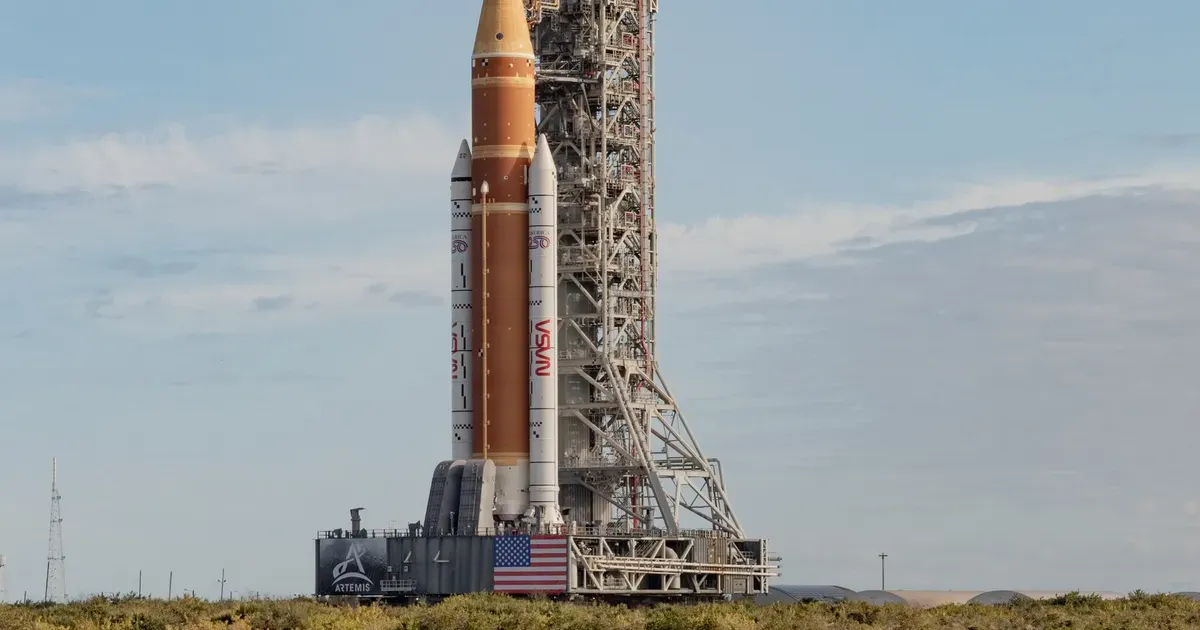
The Artemis II launch window is becoming a travel event. Florida’s Space Coast is preparing for visitors as much as for rocket operations. The launch has already become a regional tourism event. March 30, 2026, sees NASA engineers at the Kennedy Space Center preparing for the Artemis II mission while crowds assemble across the Florida coastline. Preparation efforts for the first crewed lunar flight in over fifty years have reached a fever pitch as technicians conduct final simulations on the Space Launch System. Local businesses in Titusville and Cocoa Beach report record-breaking hotel bookings for the launch window. This mission is a bridge between the Apollo legacy and the upcoming permanent lunar presence known as the Gateway.
Spectators planning to witness the liftoff in person must navigate a complex network of road closures and security checkpoints. Public access to the Kennedy Space Center Visitor Complex is already sold out for the primary launch date. Instead, thousands of travelers are redirecting their attention to public parks and beaches that offer a direct line of sight to Launch Pad 39B. These locations provide varying levels of proximity and auditory impact from the world's most powerful rocket engines.
Playalinda Beach, located within the Canaveral National Seashore, offers the closest possible public view of Launch Pad 39B. Access to this beach is limited by the number of available parking spaces. Once the lots are full, the National Park Service closes the entrance gate. Visitors choosing this site must prepare for a primitive experience without permanent restrooms or food vendors. The sheer sound of the SLS rocket at this range is enough to vibrate the sand beneath one's feet.
Space Coast Infrastructure and Traffic Management
Brevard County officials estimate that over one million people will descend on the region for the Artemis II launch. Local law enforcement agencies have coordinated a huge traffic management plan to handle the surge. Highway A1A and State Road 528 typically become gridlocked hours before and after a major launch. Mobile electronic signs will provide real-time updates on parking availability and detour routes. Public transit options are limited, making personal vehicles the primary mode of transport for most visitors.
Space Coast tourism boards have worked with hotel chains to manage price gouging and booking transparency. Many establishments require a minimum three-night stay for the launch period. Some hotels in Merritt Island have converted parking lots into temporary viewing zones for guests. These private events often include live broadcasts and expert commentary to enhance the spectator experience. The economic impact on the local economy is projected to exceed $100 million during the launch week.
This is the first time humans will go to the vicinity of the moon in more than 50 years, and the enthusiasm from the public reflects the significance of this journey, according to NASA officials during a press briefing.
Emergency services are on high alert due to the combination of extreme heat and dense crowds. Medical tents will be stationed at major viewing hubs to treat dehydration and heat exhaustion. Officials urge visitors to bring ample water, sunscreen, and shade structures. Cellular networks often become overwhelmed during the countdown, making digital communication difficult for those on the ground. Planners suggest printing physical maps and establishing meeting points for groups.
Artemis II Launch Window and Trajectory Details
Flight controllers at NASA have established a series of launch windows based on the relative positions of the Earth and the moon. The SLS rocket must lift off within a specific timeframe to ensure the Orion spacecraft enters the correct translunar injection orbit. If technical issues or weather conditions force a scrub, the next attempt may be delayed by several days. Florida's unpredictable afternoon thunderstorms are a primary concern for the launch weather officer. Launch rules prohibit liftoff if there is a threat of lightning within 10 nautical miles.
The Orion capsule carries a crew of four: Reid Wiseman, Victor Glover, Christina Koch, and Jeremy Hansen. They will spend approximately ten days in space, testing the life support systems of the spacecraft in a high-altitude orbit before heading toward the lunar far side. This mission does not include a lunar landing. Instead, the crew will fly around the moon and use its gravity to slingshot back toward Earth. The spacecraft will eventually splash down in the Pacific Ocean under a canopy of parachutes.
Digital broadcasting offers a viable alternative for those unable to travel to the Florida coast. NASA TV plans to provide continuous coverage starting several hours before the liquid oxygen fueling process begins. The broadcast features multiple camera angles, including views from the rocket itself during the ascent. Virtual reality experiences have also been developed to give remote viewers a simulated seat inside the cockpit. These technological additions allow a global audience to participate in the mission without the logistical hurdles of physical travel.
Launch Tourism Surge
Launch tourism turns technical milestones into local economic events. Hotels, restaurants and public viewing areas all become part of the mission footprint.
The challenge for Florida officials is crowd management, because a historic crewed lunar mission attracts both space fans and casual spectators.