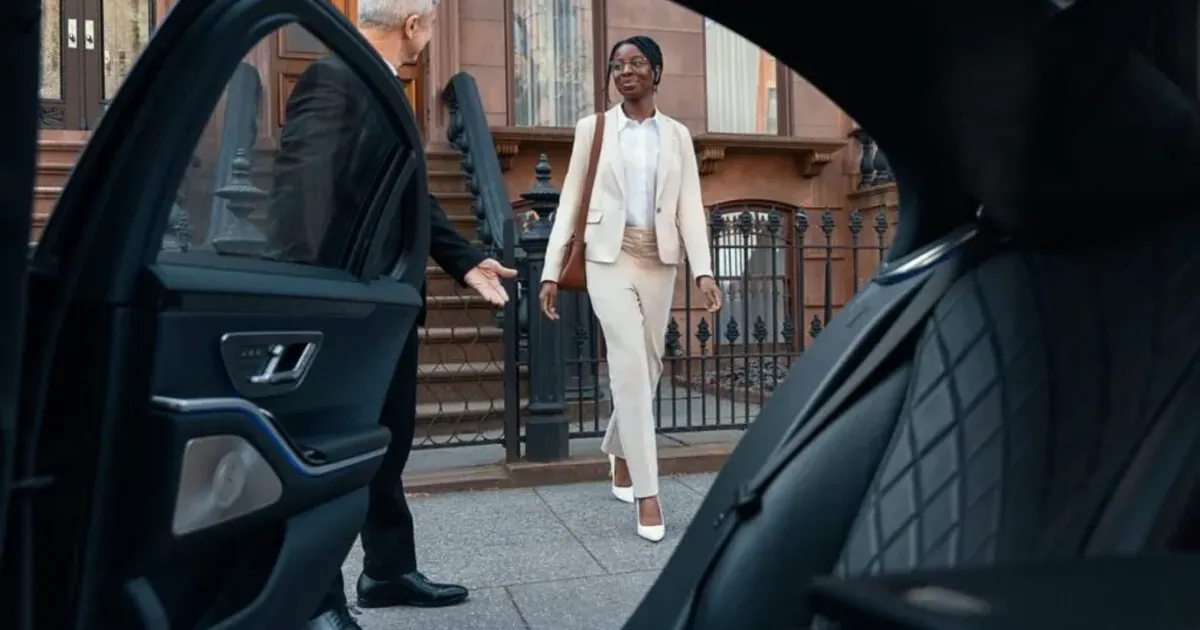
Luxury mobility is becoming a margin test for ride-hailing companies. The acquisition gives Uber a more formal service tier. March 30, 2026, marks the day Uber Technologies Inc. announced the full acquisition of Berlin-based Blacklane to solidify its position in the luxury mobility sector. Leadership at the San Francisco-based firm confirmed the deal aims to integrate professional chauffeur services into the existing app ecosystem. Executives finalized the agreement after months of quiet negotiations between the two companies. Uber wants to capture a larger share of the corporate travel sector, where reliability and professional accreditation carry more weight than price. Revenue from premium services has become a critical metric for the company as it seeks to outpace domestic competitors. For Uber, the acquisition also tests whether a premium chauffeur brand can keep its service identity after being folded into a platform built around scale.
Professional chauffeur services operate under a different regulatory and operational framework than standard ride-hailing models. Blacklane, which launched in 2011, built its reputation on fixed-rate pricing and a global network of highly vetted local partners. Uber Technologies Inc. previously struggled to maintain consistent service quality within its Uber Black tier. Integration of the Blacklane platform provides Uber with an immediate infrastructure for multi-city travel and airport transfers across 50 countries. Corporate clients often require pre-booked reliability that the traditional gig economy model cannot guarantee. Professional drivers must meet specific licensing requirements that differ sharply from standard ride-share rules.
Success in this niche requires more than an algorithm.
Uber Targets Corporate Travel Sector Growth
Investors have pressured Uber Technologies Inc. to improve profit margins by targeting high-net-worth individuals and business travelers. Standard ride-hailing services face saturation in major urban markets. Luxury travel demand rose by 15 percent in the last fiscal year, according to industry data. Blacklane recorded meaningful growth in the Middle East and European markets prior to the acquisition. These regions represent high-value corridors where corporate travel budgets remain resilient. Uber will now offer a tiered system that separates casual rides from executive chauffeur bookings. Managing these two distinct brands allows the parent company to protect the premium status of the newly acquired asset.
Market analysts suggest the purchase price reflects the value of Blacklane's existing relationships with global travel management companies. While Uber has the technology, Blacklane possesses the trust of luxury travelers. Maintaining this trust is essential for the transition to succeed. Uber Technologies Inc. intends to keep the Blacklane app functional as a standalone portal for a transition period. This approach prevents alienating long-term users who prefer the specialized interface of the Berlin-based service. Efficiencies between the two platforms will likely center on back-end logistics and payment processing. Data sharing between the entities will provide deeper insights into the travel patterns of global executives.
"Our goal is to redefine the professional driver industry by providing a consistent, high-quality experience for every passenger," said Jens Wohltorf, CEO of Blacklane.
Blacklane Global Footprint and Service Integration
Global expansion has been the primary driver for Blacklane since its inception in Germany. The company operates in hundreds of cities and maintains a presence at major international airports. Uber Technologies Inc. will leverage this footprint to offer seamless international transfers for its premium subscribers. Integration will begin with a pilot program in London and New York. These cities serve as the busiest hubs for professional chauffeur services. Drivers in the Blacklane network undergo rigorous background checks and vehicle inspections. Service standards include meet-and-greet options at arrivals and wait times of up to sixty minutes. Uber plans to adopt these protocols for its highest membership tiers.
Environmental goals also played a role in the acquisition strategy. Blacklane previously committed to offsetting the carbon emissions of all its rides. Uber Technologies Inc. faces increasing pressure from regulators to modernize its fleet. Incorporating a company with established sustainability practices helps the larger organization meet its ESG targets. Most Blacklane partners use high-end electric or hybrid vehicles. Transitioning the premium segment to electric mobility is easier than converting the mass-market fleet. Charging infrastructure in major European cities supports the use of luxury electric sedans. Corporate clients increasingly demand sustainable travel options in their procurement contracts.
Chauffeur Model Versus Gig Economy Standards
Distinctions between ride-hailing and chauffeuring center on the training and employment status of the operators. Uber typically relies on independent contractors who provide their own vehicles. Blacklane works with professional fleet owners who adhere to strict service level agreements. This shift in labor dynamics marks a departure for Uber Technologies Inc. as it moves toward a hybrid operational model. Professional chauffeurs often hold commercial licenses and carry complete insurance policies. Customers pay a premium for the assurance that their driver is a career professional. Reliability metrics for scheduled pickups in the luxury sector approach 99 percent. Uber aims to mirror these statistics within its new premium division.
Software updates will allow Uber users to toggle between standard rides and professional chauffeur services. Pricing for the latter will remain fixed, eliminating the surge pricing models that occasionally frustrate business travelers. Transparency in billing is a core requirement for corporate expense accounting. Blacklane established a system where all taxes, tolls, and tips are included in the initial quote. Adopting this model across the Uber luxury portfolio could simplify the booking process for international travelers. Competition in this space remains fierce with companies like Wheely and traditional livery services vying for the same clientele. Brand loyalty in the luxury sector is notoriously difficult to maintain.