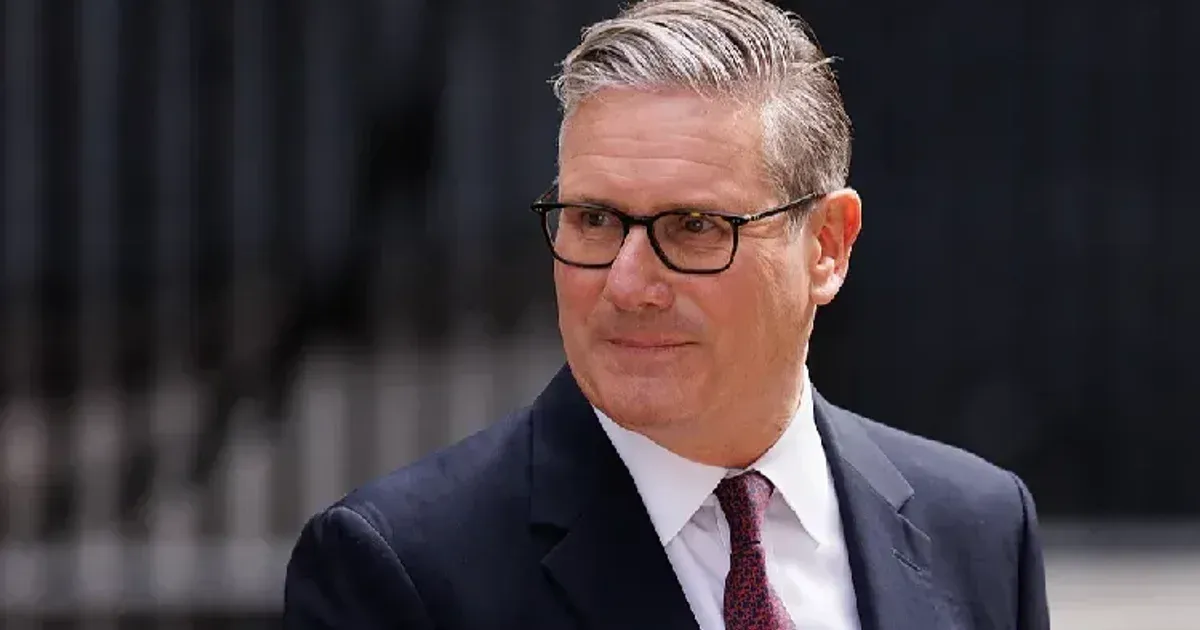
Keir Starmer convened a new Middle East response committee to centralize Britain's reaction to the intensifying conflict with Iran. Ministers met inside Downing Street to establish a command structure reminiscent of the Brexit preparation units and the pandemic response teams. Ministers set up the committee on April 14, 2026. Administrative officials confirmed the group will overhaul how the United Kingdom navigates international and domestic policy during regional instability. This initiative aims to synchronize military strategy with economic safeguarding measures as global tensions rise.
Simultaneous efforts to reopen the Strait of Hormuz will anchor the initial planning phase.
London Overhauls Foreign Policy Infrastructure
National Security Adviser Jonathan Powell holds a central role in this new administrative framework. Powell acts as the prime minister's foreign policy adviser and travels abroad to negotiate on his behalf. Some officials voiced concerns regarding the extent to which the foreign policy of the administration relies on a single individual. Internal friction has grown as different departments compete for influence within the new committee structure.
“No one is bringing our priorities together in a distinct way or managing people going up against each other,” one Whitehall official said.
Legislative progress on the Chagos Islands sovereignty agreement has stalled. Officials confirmed that legislation ratifying the deal will not progress during this parliamentary term. Resistance from the White House forced the British government to pause the controversial treaty. The agreement sought to transfer sovereignty of the islands to Mauritius while maintaining the military base at Diego Garcia.
Diplomacy regarding the Chagos Islands has reached a complete standstill.
The structure also gives Starmer a way to centralize messages from the Foreign Office, defense officials and domestic security agencies. That matters because Middle East escalation can quickly become a local political issue through protests, energy prices and community tensions. A dedicated team reduces the risk of contradictory briefings during a fast-moving crisis.
The committee also gives ministers a way to measure domestic risks alongside overseas decisions. Energy prices, public demonstrations, transport security and diplomatic messaging all move together during a regional war. Without a central team, separate departments can issue signals that satisfy their own audiences but weaken the government's overall position.
Starmer wants the group to operate as a rapid filter for decisions that would otherwise climb slowly through Whitehall. That structure may help during emergency briefings, but it also concentrates responsibility inside a smaller circle of advisers. If the crisis worsens, Parliament will likely ask whether the new unit improved accountability or simply moved key choices away from normal scrutiny. Opposition lawmakers are already likely to press for regular reporting because crisis cabinets can easily become opaque when security arguments dominate the public record. That scrutiny will shape whether the team looks like disciplined coordination or another layer of executive control. The immediate challenge is practical: ministers must show that the crisis team can turn intelligence, diplomatic updates and domestic risk warnings into decisions quickly enough to matter. It also needs to reassure the public that the government is not improvising its way through a regional crisis with domestic consequences.
Crisis Management in Westminster
British sovereignty appears to be a negotiable commodity in the 2020s. Keir Starmer has effectively admitted that the White House holds a veto over UK diplomatic treaties by pausing the Chagos deal. This retreat confirms that London lacks the political capital to challenge Washington even when international legal opinions favor a change. The establishment of the Middle East response committee is not a sign of strength but a desperate attempt to manage the consequences of a subservient foreign policy.
Downing Street lacks the backbone to resist American pressure, according to the available evidence. By appointing Jonathan Powell as a singular designer of foreign relations, Starmer has created a bottleneck that invites inefficiency. Centralizing power in this manner often leads to a monoculture of thought where dissenting voices are sidelined in favor of political expediency. The reliance on Brexit-era crisis management tools reveals a government that is perpetually reactive rather than strategic.
London now finds itself trapped between a volatile Middle East and an assertive American administration. The economic risks are real, and the diplomatic options are narrowing. A subordinate future.