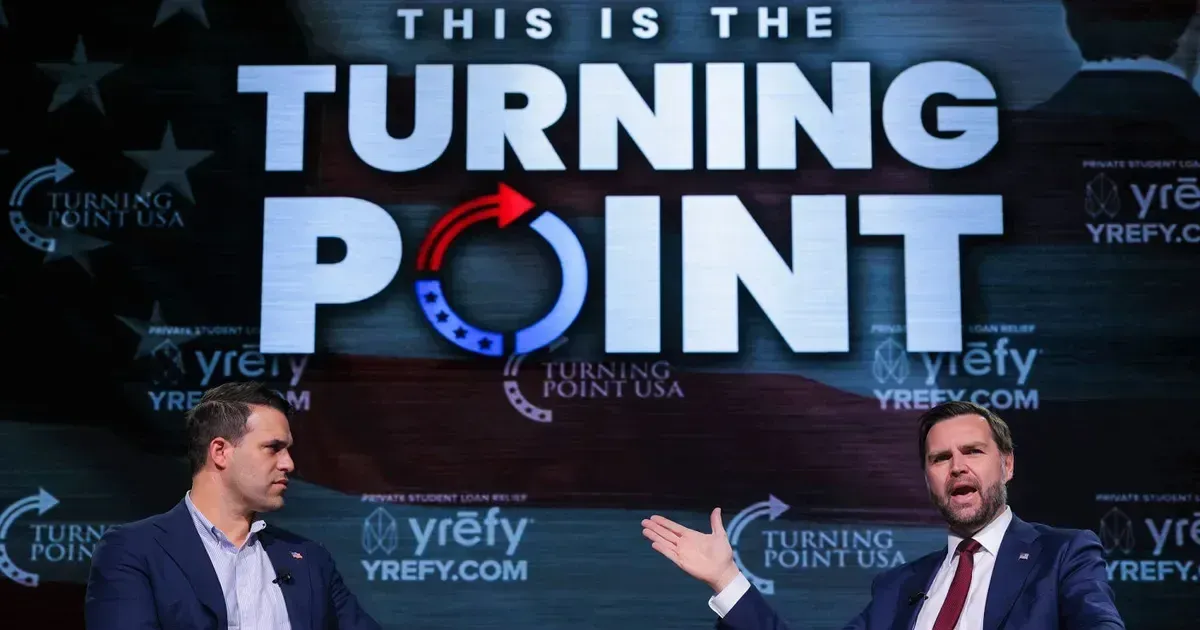
JD Vance told Pope Leo XIV to use caution when commenting on theology and war, sharpening a dispute between the White House and Catholic leadership over the conflict in the Middle East. The exchange was unusual because it placed a prominent Catholic official in direct conflict with papal criticism. The April 15, 2026, remarks turned a foreign-policy disagreement into a public argument about moral authority.
Vance's criticism followed papal comments questioning the human cost and moral justification of continued military action. The vice president argued that religious leaders should be careful when their statements touch national-security decisions. That response appealed to supporters who see the administration's policy as a matter of deterrence, not theology.
The exchange is sensitive because Vance is one of the most visible Catholic figures in the administration. His comments therefore carried a different weight than a routine political response from a secular official.
Faith and Foreign Policy Collide
Religious leaders have long commented on war, civilian protection, refugees, and peace negotiations. The Vatican often frames those issues through moral teaching rather than partisan politics. Governments, however, can treat such criticism as interference when it challenges active military policy during a volatile conflict.
Vance's warning reflects that tension. He did not simply disagree with the pope's conclusion; he challenged the boundary of papal commentary. That framing turns the dispute into a question of who has standing to speak about the ethics of war.
For Catholic voters, the moment may be uncomfortable. Some will side with Vance's national-security argument. Others will expect Catholic officials to take papal warnings seriously, especially when civilian harm is part of the debate.
Administration Defends Its War Policy
The White House has argued that its Middle East posture is necessary to protect U.S. interests and deter Iran. Critics say the policy risks escalation and has not produced a clear diplomatic exit. Vance's comments fit the administration's broader effort to defend the conflict as a hard but necessary choice.
The political setting also mattered. Speaking to a friendly audience, Vance could frame the Vatican criticism as disconnected from the responsibilities of governing. That message works well with voters who believe religious institutions should not shape military strategy.
But the argument carries risk. Dismissing moral criticism too sharply can make the administration appear indifferent to humanitarian concerns. It can also deepen a split with religious groups that might otherwise support parts of its domestic agenda.
The dispute is unlikely to end with one speech. As long as the conflict continues, Pope Leo XIV and other religious leaders will keep raising questions about civilian harm, peace efforts, and moral limits. Vance's response shows the administration is willing to answer those questions directly, even when the critic is the pope.
The political risk is that a sharp response can mobilize both sides. Supporters may see Vance as defending elected authority against clerical pressure. Critics may see him as brushing aside a moral warning about civilian harm. That split will matter if Catholic organizations, bishops, or lay groups continue to speak about the war. The administration can win applause in friendly rooms, but the broader religious debate will be harder to control. The exchange may also affect how future administration officials talk about religious criticism. A president or vice president can reject a policy argument from the Vatican, but attacking the scope of papal commentary is a sharper move. It invites theologians, bishops, and Catholic commentators to answer not only on the war but also on the church's public role. That could keep the dispute alive longer than a normal foreign-policy disagreement. Vance's supporters may welcome that fight, but it gives opponents a way to frame the administration as impatient with moral scrutiny at a moment when the conflict already divides voters. The church-state boundary is not clean in wartime because moral language and policy language overlap. A pope can speak about civilian harm without writing military orders, and a government can defend its strategy without accepting every religious critique. The conflict begins when either side suggests the other has no place in the conversation. Vance's remarks moved close to that line, which is why the reaction may last beyond one speech. The dispute also complicates Vance's own political brand. He has often used religious and moral language when discussing public life, so he cannot easily argue that faith has no place in politics. His narrower claim is that wartime decisions belong to elected leaders. Whether Catholic voters accept that distinction will depend on how the conflict develops. It also means the next papal statement on the war will be read not only as theology, but as another test of the administration's tolerance for criticism. That makes the argument political, theological and personal at once. The exchange may return whenever Catholic leaders connect battlefield decisions to civilian suffering, because the political and religious stakes now overlap.