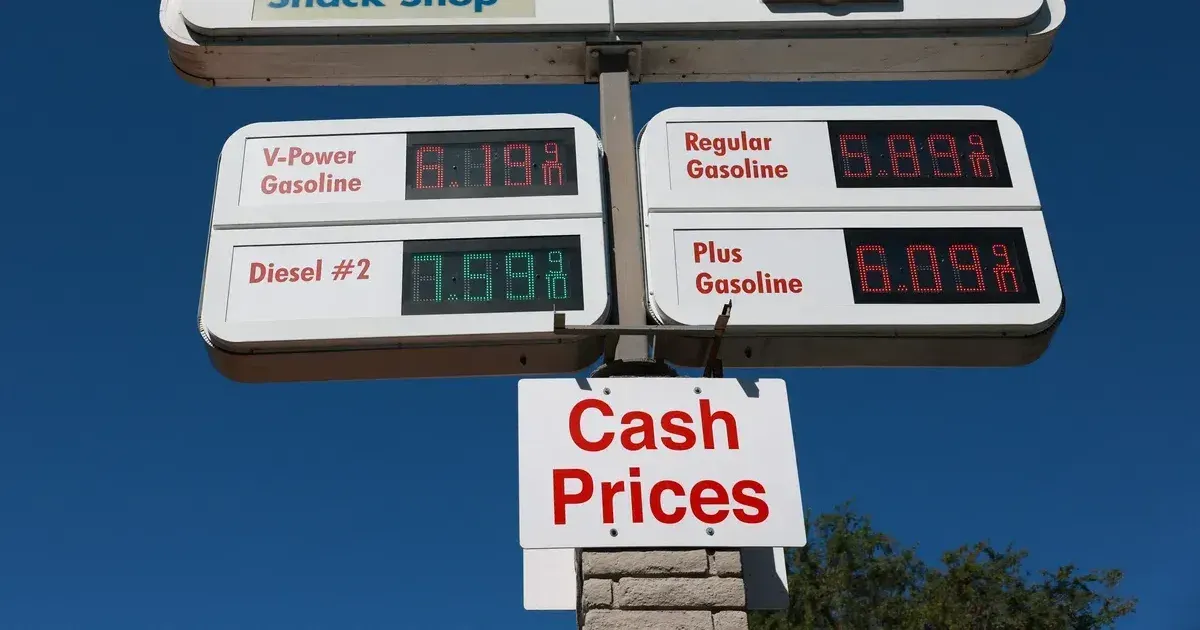
The Strait of Hormuz reopening eased shipping pressure but did not end the inflation debate. Tehran officials announced on April 18, 2026, that the Strait of Hormuz is completely open to maritime traffic. Maritime activity resumed immediately as dozens of oil tankers and cargo vessels began transiting the narrow waterway. Global energy markets reacted with immediate volatility as Brent crude futures dropped sharply on the news of restored supply routes. Investors celebrated the announcement, which concluded weeks of intense speculation regarding a prolonged global energy blockade. Markets had previously priced in a worst-case scenario where regional conflict would permanently sever the link between Persian Gulf oil producers and their Asian and European customers.
Maritime Trade Resumes in the Strait of Hormuz
Shipping lanes through the world’s most critical oil chokepoint are now clear for commercial use. Charles Rinehart, chief investment officer at Johnson Investment Counsel, stated that broader economic momentum can re-emerge now that the physical obstruction has cleared. Economic growth prospects improved as soon as the first fleet of tankers cleared the Omani coast. Global shipping costs, which spiked 400% during the hostilities, showed signs of retreating toward seasonal averages. Logistics companies have already started rerouting vessels away from the costly Cape of Good Hope path. Insurance premiums for maritime hull and machinery also began a slow descent from their wartime peaks.
Equities rose sharply on Friday as the news reached trading desks in New York and London. Relief rallies swept through energy-sensitive sectors as the threat of $150-per-barrel oil dissipated. Small-cap stocks performed particularly well during the initial hours of trading. Analysts noted that these firms are traditionally more sensitive to domestic economic fluctuations and borrowing costs. Mike Reynolds, Glenmede’s vice president of investment strategy, pointed to cyclical trends as a primary driver for this resurgence. Smaller firms often lack the hedging capabilities of multinational conglomerates. Therefore, the restoration of energy flows provides immediate margin relief for companies operating on thin capital reserves.
Federal Reserve Policy and Small-Cap Volatility
Monetary policy expectations shifted rapidly following the reopening of the waterway. Federal Reserve officials are now perceived to have more room to maneuver regarding interest rate cuts. High energy prices had previously constrained the central bank, forcing a hawkish stance to prevent secondary inflation effects. Wall Street professionals believe that a lower risk of energy-driven inflation clears the path for at least two rate cuts before the end of 2026. Investors are specifically targeting funds like the Forefront Small-Cap ETF (VB) and the iShares Core S&P Small-Cap ETF (IJR) to capitalize on this shift. The Dimensional U.S. Small Cap ETF (DFAS) also saw increased volume as traders bet on a broader economic recovery.
Legislative developments played a secondary role in the market optimism seen on Friday. The One Big Beautiful Bill Act allows companies to deduct research and development costs from their tax liability more immediately. Smaller firms rely on these deductions to maintain cash flow during periods of high interest rates. Reynolds noted that the combination of lower energy costs and tax incentives creates a unique environment for domestic growth. Projections for small-cap earnings have been revised upward by several major brokerage houses. Capital expenditure plans that were mothballed during the Iran war are reportedly being reconsidered by industrial manufacturing firms. Economic data from the first quarter suggested a stagnation that is now expected to reverse.
“This is a very delicate ecosystem that we have messed with. I would double whatever inflation estimates people had before the war.”
Long-Term Inflation Warnings from Global Analysts
Skepticism persists among veteran market watchers despite the jubilant reaction in the equity pits. Chris Whalen, chairman of Whalen Global Advisors, warned that the inflation shock from the Iran-related conflict is already deeply embedded in the global economy. Normalization of oil markets will take much longer than the simple physical reopening of a shipping lane. Whalen argued that supply disruptions in the Middle East have a long tail that will weigh on consumer prices for years. Current data showed consumer prices accelerated to a 3.3% yearly pace in March. Whalen suggested that the inflation rate rising into the high single digits is a plausible outcome in the coming months.
Supply-chain integrity has been compromised in ways that a simple ceasefire cannot immediately repair. Re-establishing regular shipping schedules requires months of coordination between port authorities and logistics providers. Inventory drawdowns during the blockade left many retailers with empty shelves and high back-order volumes. Replacing these stocks at current prices ensures that high costs are passed on to the end consumer. Whalen emphasized that the 1-year expected inflation rate, which stood at 2.5% in February, is likely an underestimate. Domestic producers are still struggling with the higher input costs incurred during the peak of the tensions. Labor markets also face pressure as workers demand higher wages to keep pace with rising grocery and fuel bills.
Central Bank Responses in Emerging Markets
Emerging markets faced even more severe pressures during the periods of maximum tension. Nigeria is a primary example of a nation struggling to balance growth with aggressive price stability targets. The Central Bank of Nigeria stated it will continue to focus on driving down inflation despite the war-induced oil price shock. Monthly prices in Nigeria reached their highest levels in more than two decades during the month of March. While Nigeria is an oil producer, its lack of refining capacity makes it vulnerable to global fuel price spikes. The government in Abuja has struggled to maintain subsidies that prevent social unrest during energy crises. Foreign exchange reserves also suffered as the cost of importing refined petroleum products soared.
Investment flows into emerging market stocks slowed to a trickle when the Strait of Hormuz closed in March. Risk-aversion drove capital toward the safety of the U.S. dollar and gold. Now that the waterway is open, some analysts suggest a return to these undervalued markets. Emerging economies often provide the highest returns during periods of global trade expansion. However, the lingering debt burdens accumulated during the war period remain a significant hurdle for many developing nations. Currency devaluations in sub-Saharan Africa and Southeast Asia have not yet fully reversed.
Central banks in these regions must decide whether to follow the Fed’s potential lead on rate cuts or keep rates high to defend their currencies. Inflationary pressures in these zones are often more persistent than in developed Western economies.
Inflation Risk Survives Hormuz Reopening
Did the global markets just fall for a classic head fake? The collective sigh of relief emanating from Wall Street suggests a dangerous level of complacency regarding the long-term structural damage caused by the Iran war. Reopening a shipping lane is a logistical fix, not a geopolitical cure. We are looking at a world where the pre-war cost of doing business has been permanently adjusted upward. The assumption that the Federal Reserve will rush to cut rates simply because tankers are moving again ignores the reality of embedded service-sector inflation. If Chris Whalen is even half-correct about inflation doubling, the current market rally is a house of cards built on a foundation of wishful thinking.
Naive optimism is the hallmark of a late-cycle market bubble. Investors are cheering for a return to 2019 conditions in a 2026 reality that has been fundamentally altered by state-sponsored maritime disruption. The Strait of Hormuz is now a proven tactical lever for Tehran, one they can pull whenever regional tensions flare. This reality introduces a permanent risk premium into every barrel of oil and every container of goods passing through the region. Companies will be forced to diversify supply chains away from the Persian Gulf, a process that is inherently inflationary. This transition is not a temporary setback.
It is the beginning of a higher-cost era. The party on Friday will likely end in a crushing hangover once the next CPI print hits the tape.