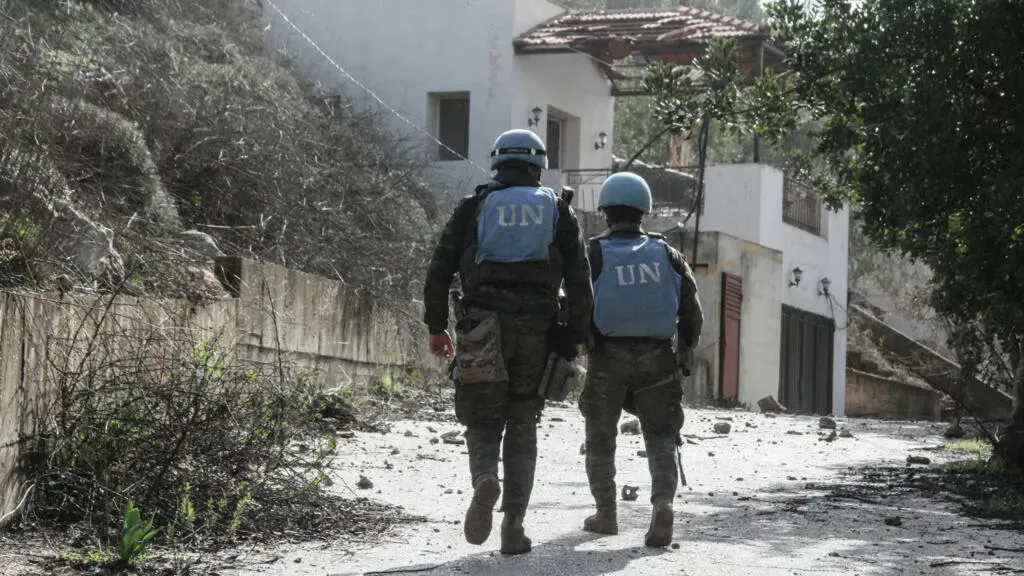
United Nations officials confirmed that week that two Indonesian peacekeepers died in a southern Lebanon explosion. Violent clashes between the Israeli military and Hezbollah militants intensified throughout the weekend, leading to multiple casualties among neutral monitoring forces. The UN confirmed the deaths after a violent weekend in southern Lebanon. By March 30, 2026, another peacekeeper had lost their life in a separate blast Sunday, bringing the weekly death toll for international monitors to three. Indonesia maintains a meaningful presence within the peacekeeping mission and currently serves as its largest troop contributor. Search teams recovered the bodies near a known trigger point where Israeli ground units have moved to neutralize Hezbollah infrastructure.
Israel expanded its ground operations across the Blue Line into Lebanese territory earlier this month. Combat engineers and armored divisions moved north to clear launch sites used by Hezbollah for cross-border rocket fire. Reports from the ground indicate that UNIFIL positions often sit directly in the path of these advancing units. High-intensity urban combat and heavy artillery exchanges characterize the current phase of the invasion. Peacekeepers now find themselves trapped between sophisticated defense lines and aggressive offensive maneuvers.
Historical records show that the United Nations Interim Force in Lebanon has occupied these border zones since 1978. Previous escalations in 2006 established the current mandate under Resolution 1701, which tasked the Blue Helmets with maintaining a weapons-free zone between the Litani River and the border. Hezbollah fighters have consistently ignored these restrictions by building subterranean tunnels and weapons caches. Israel contends that the inability of international forces to enforce the demilitarized status required direct military intervention. This situation has left thousands of peacekeepers vulnerable to collateral damage and targeted strikes.
UNIFIL Casualties and Explosion Details
Explosions ripped through an observation post on Monday morning, killing the two Indonesian soldiers instantly. Intelligence sources suggest the blast originated from an improvised explosive device or a stray shell hitting a munitions storage area. UNIFIL command centers in Naqoura reported that the unit was conducting a routine surveillance patrol when the incident occurred. Emergency medical teams could not reach the site for several hours because of ongoing drone strikes and sniper activity in the sector. Hezbollah officials denied responsibility for the blast, instead pointing to Israeli air activity in the immediate vicinity.
Casualties within the mission have reached levels not seen in over a decade. Peacekeeping remains a high-risk effort when combatant forces refuse to respect established neutral zones. Military observers from France and Italy reported that heavy smoke covered the impact site, making aerial identification of the attackers impossible. Three fatalities in a single 24-hour window indicate a severe degradation of safety protocols for the mission. The dead will be repatriated to Jakarta after a formal memorial service at the mission headquarters.
The UN said on Monday that two members of its peacekeeping force were killed in an explosion in south Lebanon, with a third being killed in a separate blast the previous day.
National leaders in Indonesia demanded a full investigation into the circumstances of the deaths. Foreign Ministry officials in Jakarta summoned the Israeli ambassador to protest the lack of coordination between the IDF and neutral observers. Public sentiment in Southeast Asia has turned sharply against the ongoing military campaign as more peacekeepers return in caskets. Proponents of the mission argue that pulling out now would invite a total regional collapse. Withdrawal is not currently on the table despite the rising body count. The ongoing Israeli ground operations have notablely escalated the security risks for neutral international monitors stationed in the region.
Israeli Defense Forces Operations in South Lebanon
Israeli armored brigades have pushed deep into the rugged terrain of the Galilee panhandle. Combat footage shows tanks maneuvering through olive groves and small villages that Hezbollah once used as command centers. Artillery fire has flattened several structures within meters of UNIFIL outposts. Commanders in the field state that their primary objective is the dismantling of Radwan Force infrastructure near the border. Such proximity to peacekeeping assets makes accidents nearly inevitable.
Satellite imagery confirms that several UNIFIL watchtowers suffered structural damage from nearby kinetic strikes. Ground sensors detected enormous underground detonations as the IDF destroyed tunnel networks spanning the border. These seismic events have compromised the foundations of international facilities. Israeli officials maintain that Hezbollah intentionally places assets near UN positions to use the peacekeepers as human shields. This tactic complicates offensive operations and increases the likelihood of friendly fire or collateral incidents.
International Law and Blue Helmet Protections
Legal experts at the Hague emphasize that deliberate attacks on peacekeepers constitute war crimes under the Rome Statute. Protecting those wearing the blue beret is a foundational requirement for any state actor engaging in conflict. Evidence of negligence or intentional targeting could lead to international sanctions against the responsible parties. Both Hezbollah and the IDF has traded accusations regarding the safety of these neutral monitors. The lack of a clear ceasefire agreement makes the legal landscape increasingly murky for UN personnel.
International humanitarian law mandates that combatants must distinguish between military targets and protected civilian or UN personnel. Failure to provide adequate warning before strikes in populated areas often results in unnecessary loss of life. Diplomats in New York are drafting a Security Council resolution to condemn the recent killings and demand immediate safety guarantees. Geopolitical divisions between permanent members likely prevent any meaningful enforcement mechanism from emerging. The mission exists in a state of perpetual jeopardy without a binding diplomatic solution.
Peacekeeper Protection Risk
The deaths underline how little space neutral monitors have when southern Lebanon becomes an active battlefield. Blue helmets can reduce uncertainty only if combatants still respect their protected role.
Each casualty also complicates the politics of troop-contributing countries. Governments that send personnel to UN missions must explain why monitors remain deployed when the buffer zone keeps shrinking.
That pressure can weaken the mission at exactly the moment when outside observers are most needed.