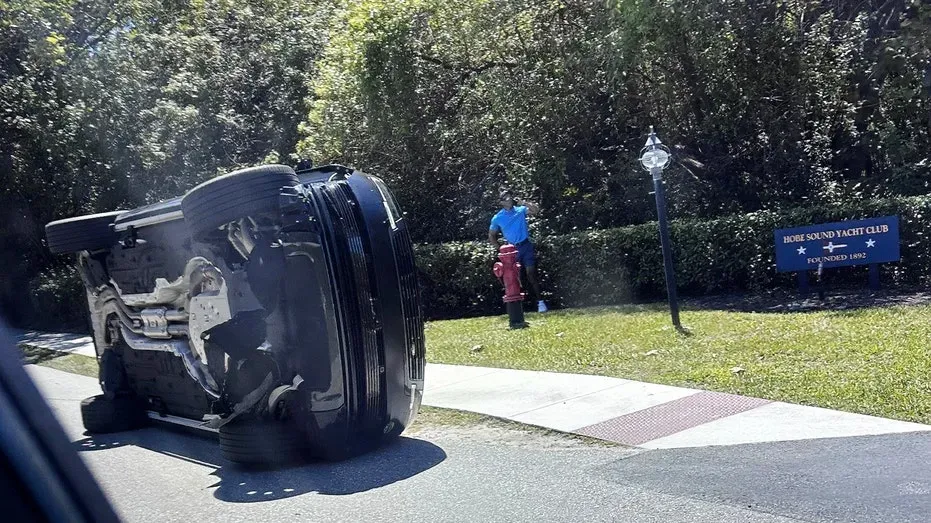
Tiger Woods's March 27, 2026, rollover crash near Jupiter Island, Florida, became more than another entry in a long injury and comeback file. It became a legal case built around alleged impairment, a refused urine test and the question of how golf should respond when its most important modern figure is again tied to a serious driving incident.
The facts require care. Authorities said Woods's breath test detected no alcohol. They also said he showed signs of impairment after his SUV clipped a truck trailer and rolled onto its side. No one was seriously injured. Woods pleaded not guilty, and the case remains a matter for court, not public assumption.
The Charge Is Not An Alcohol Case
The early public reaction risked flattening the story into a familiar DUI headline. The arrest record was more specific. Martin County officials said alcohol was not detected, but deputies cited field-sobriety concerns, Woods's demeanor and his refusal to provide a urine sample. NBC Miami reported that no drugs or medications were found in his SUV, while AP and other reports said the sheriff's materials referred to pain pills found on Woods and signs of impairment at the scene.
The distinction is central both legally and journalistically. A negative alcohol result does not end an impaired-driving inquiry if prosecutors believe other evidence supports it. At the same time, signs of impairment do not prove guilt before trial. The proper frame is narrower and firmer: Woods faces DUI-related misdemeanor allegations after a crash, and the state will have to prove its case through observations, records, video and any admissible medical evidence.
The Refusal Count Has Its Own Weight
The refusal allegation is not a side note. Florida's implied-consent rules make refusal to submit to a lawful test a separate legal issue from the broader impairment question. That means Woods's case is not only about what was in his system. It is also about what authorities can show happened after the crash, what he was asked to do and whether the refusal charge survives legal challenge.
Later court developments are therefore important. AP reported in July that a judge allowed prosecutors access to hospital records connected to the crash, under protective limits, and that prescription records had also been authorized for review. Those rulings did not decide guilt. They showed that the case had moved into evidence-building rather than headline management.
Treatment Moved The Story Beyond A Tee Time
Woods announced after the arrest that he was stepping away to seek treatment and focus on his health. His attorney also sought permission for him to travel outside the United States for comprehensive inpatient care. Augusta National chairman Fred Ridley later confirmed that Woods would not attend the 2026 Masters.
Woods said treatment was necessary for his well-being and recovery.
That changed the shape of the story. The question was no longer only whether Woods could appear at Augusta, make another ceremonial start or hold a tour leadership role. The larger question became whether the public golf machine could separate concern for Woods's health from its constant hunger for another comeback frame.
Golf Has A Dependence Problem
Woods's history makes the reaction more acute. His 2017 DUI arrest ended with a reckless-driving plea after prescription-medication issues were raised. His 2021 crash in California caused catastrophic leg injuries and permanently altered the physical terms of his career. The 2026 Florida case revived the same uncomfortable intersection of pain, driving, recovery and public expectation.
Golf has reason to be cautious. Woods is entitled to defend himself, and no institution should speak as if the legal result is settled. But caution can become avoidance. The PGA Tour, sponsors, broadcasters and tournament officials have spent decades benefiting from his presence. Even when he is barely competing, he remains a commercial and symbolic force. That dependence makes every crisis around him more difficult to discuss plainly.
Legacy Cannot Answer Safety Questions
Woods's playing legacy is secure. Fifteen majors, the Tiger-era television economy and the transformation of professional golf do not disappear because of one case. But legacy is not a defense to a safety question. A rollover crash, alleged impairment, a refused drug test and a treatment announcement are not routine background noise around a sports career.
The responsible frame is not to convict him by column or to polish the episode into another redemption teaser. It is to let the legal process run while acknowledging the pattern that makes the episode serious. Golf can respect Woods without pretending the only thing at stake is whether he ever plays another major.
The next answers will come from court records, treatment choices and the roles Woods accepts or steps away from. Sponsor language and nostalgic highlight reels cannot do that work. After another driving-related crisis, the central issue is no longer competitive form. It is judgment, health and whether the sport can talk about both without hiding behind the legend.