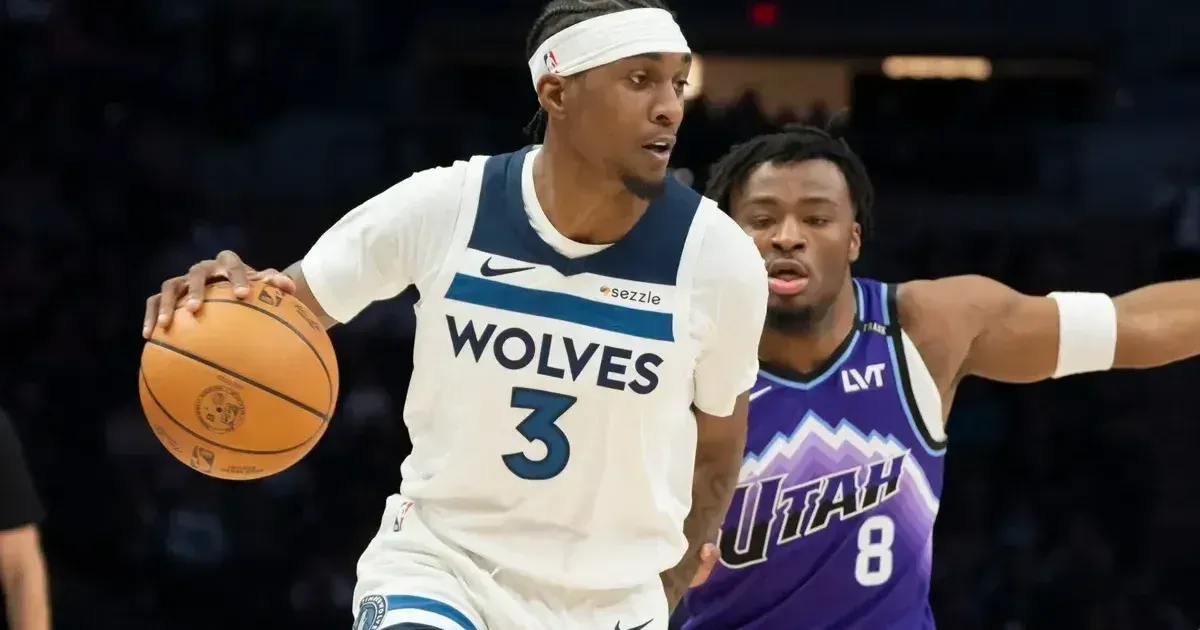
Minnesota Timberwolves officials entered the offseason earlier than projected after a collapse in the Western Conference bracket. The timing sharpened the offseason questions. The team suffered a definitive elimination at the hands of the San Antonio Spurs on May 17, 2026, ending a season that once held championship aspirations. Anthony Edwards watched his high-scoring postseason performance go to waste during the series, as the roster around him failed to sustain defensive intensity against a disciplined San Antonio offense.
Internal tensions, meanwhile, spilled into public view during the immediate post-game press conferences. Naz Reid expressed deep frustration with internal team dynamics and what he described as avoidable faults that plagued the rotation. Reid’s public critique of the organization marked a sharp departure from the typical unified front maintained by the locker room throughout the regular season. The center was brutally honest about the team getting embarrassed by the Spurs, noting that the group lacked the necessary focus to compete at the highest level.
The group failed to address the recurring errors that defined our regular season.
Locker room stability now sits at the top of the agenda for general manager Tim Connelly. The criticism from a respected veteran like Reid suggests that the existing hierarchy might require more than minor adjustments. Management must decide if the current supporting cast around Edwards has reached its ceiling or if the chemistry issues are a temporary byproduct of the playoff exit. Failure to reconcile these internal disputes could lead to a fragmented roster before the training camp begins in the autumn.
Internal Friction and the San Antonio Collapse
San Antonio exposed specific structural weaknesses in the Minnesota defense during the five-game series. While the Timberwolves entered the playoffs with a top-five defensive rating, they struggled to contain the perimeter movement and interior passing of the younger Spurs squad. This defensive regression frustrated the coaching staff and fueled the public comments from Reid. The lack of cohesion on the floor mirrored the disconnect growing within the front office regarding future roster investments.
Scrutiny has intensified on the performance of the secondary scoring options. Outside of Edwards, the Timberwolves lacked a consistent threat capable of drawing double-teams or creating high-percentage looks during late-clock situations. This offensive stagnation allowed the Spurs to focus their defensive schemes almost exclusively on Edwards, daring the rest of the Minnesota starters to beat them from the perimeter. Most of those opportunities resulted in missed shots or turnovers that fueled San Antonio’s fast-break points.
Minnesota’s inability to adjust to the Spurs’ zone defense became the defining characteristic of the final two games. Anthony Edwards averaged over 30 points in the series, but his individual brilliance could not outweigh the systemic failures of the broader offensive set. The coaching staff repeatedly called for more ball movement, yet the team often reverted to stagnant isolation plays. The tactical stubbornness drew the ire of both fans and internal analysts who expected a more sophisticated approach given the talent available.
Strategic Targets for the 2026 Offseason
The pursuit of a secondary superstar is no longer a luxury but a necessity for a franchise seeking to maximize the prime years of its ace. Giannis Antetokounmpo has become a theoretical target who would fundamentally alter the physical profile of the Timberwolves. Bringing the Greek Freak to Minneapolis would require an enormous trade package, likely involving multiple first-round picks and core rotation players. His ability to dominate the paint and provide elite rim protection would solve the defensive lapses that San Antonio exploited.
Kawhi Leonard is a different strategic path for the front office. Leonard offers a veteran presence and a championship pedigree that the current roster lacks. His midrange efficiency and perimeter defense would complement the explosive transition game of Edwards. Success with this move depends on Leonard’s availability and his willingness to join a team during a leadership transition. Adding a two-time Finals MVP would signal a win-now mentality to the fan base and the league alike.
Financial constraints will dictate the feasibility of these high-profile acquisitions. The Timberwolves are currently operating near the luxury tax threshold, meaning any major addition must involve matching salaries or significant outgoing assets. Salary cap experts suggest that the team might need to move one of its existing high-salaried players to enable a trade for a player of Giannis’s stature. The front office faces the challenge of upgrading the roster without depleting the depth that allowed them to secure a high seed in the first place.
Timberwolves Offseason Test
The Minnesota front office faces a binary choice between continuity and radical reconstruction. If the organization chooses to stand pat, it risks alienating Anthony Edwards and allowing the frustrations voiced by Naz Reid to fester into a permanent culture of mediocrity. The Western Conference is historically unforgiving, and standing still is often equivalent to moving backward. Expect the Timberwolves to be aggressive in the trade market before the June draft, as the pressure to deliver a championship-caliber roster has reached a breaking point.
Whether the solution is Giannis Antetokounmpo, Kawhi Leonard, or a third unannounced target, the status quo is no longer an option for a franchise that just hit a ceiling against San Antonio. The next 90 days will define the Edwards era in Minnesota.