Family members of Jason Collins confirmed the death of the former professional basketball center following a public battle with brain cancer. The 13-year league veteran died Tuesday at the age of 47, according to a statement released by his relatives. The tribute now sits at the intersection of sport, identity and league memory. The May 13, 2026, announcement follows several months of intensive treatment for a highly aggressive malignancy discovered late last year.
Records from the family indicate that the primary cause of death was glioblastoma. Collins had disclosed his diagnosis in December, noting the severity of the condition while requesting privacy for his medical journey. The timeline of his illness was short but marked by the same resilience he displayed during a lengthy career in the NBA. He transitioned from a defensive specialist to a global symbol of inclusion during the latter stages of his playing days.
Collins secured a permanent place in sports history through a 2013 personal essay that fundamentally altered the social landscape of American athletics. Writing for Sports Illustrated, he became the first active male athlete in any of the four major North American professional sports leagues to come out as gay. His announcement broke an enduring silence in the NFL, MLB, NHL, and NBA regarding active players and their sexual orientation.
“I’m a 34-year-old N. B. A. center. I’m Black and I’m gay,” Collins wrote in the opening of the landmark Sports Illustrated piece.
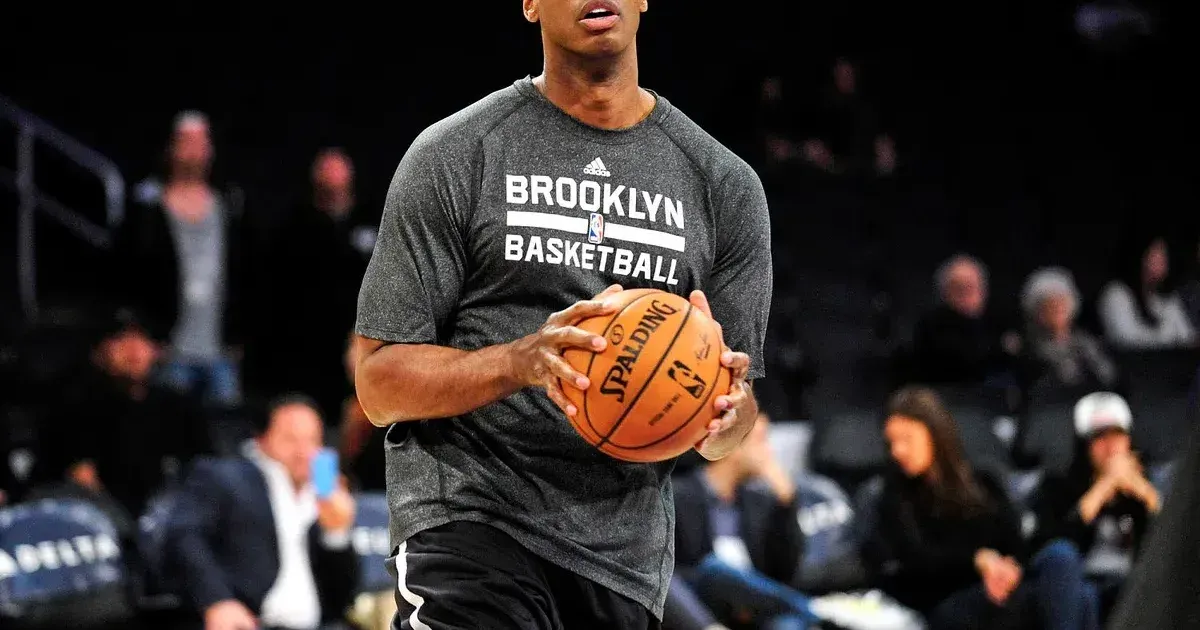
His declaration arrived at a moment when no other active player in the primary US leagues had taken such a step. This specific admission challenged established norms within locker rooms and front offices alike. While some observers anticipated professional pushback, his return to the court with the Brooklyn Nets shortly after the announcement proved that an openly gay athlete could compete at the highest level without compromising team chemistry. Supporters often pointed to his professionalism as the key factor in his acceptance by teammates.
Breaking Barriers in Professional Basketball
Major league sports frequently struggled with the visibility of LGBTQ+ participants until Collins forced a public conversation. His decision to come out while still on an active roster was a calculated risk aimed at helping younger athletes navigate their own identities. The impact extended far beyond the basketball court, reaching the highest levels of government and social activism. He reportedly received phone calls of support from sitting presidents and civil rights leaders who recognized the gravity of his disclosure.
During his 13 seasons in the league, Collins was known primarily as a physical defender and a reliable teammate who prioritized collective success over individual statistics. His statistical contributions, while steady, were eventually overshadowed by the cultural weight of his SI essay. Critics of the era occasionally questioned the timing of his announcement, but the long-term result was a measurable shift in how professional organizations approached diversity. He demonstrated that individual identity and professional competence are not mutually exclusive.
The defensive center played for multiple franchises throughout his career, providing a veteran presence in several locker rooms. He was regarded as a classic teammate whose value was measured in screens set and shots contested. The reputation for grit allowed him to maintain his position in the league even as the news of his personal life became a global headline. Colleagues frequently described him as a focused professional who never let external narratives distract from the game plan.
Diagnosis and the Battle With Glioblastoma
Medical reports from late 2025 detailed the onset of the symptoms that led to his cancer diagnosis. Glioblastoma is recognized as one of the most aggressive forms of brain cancer, often requiring immediate and invasive surgical intervention. Collins chose to share his diagnosis publicly in December to raise awareness about the disease and to thank the medical professionals involved in his care. He maintained a relatively private profile during the final months of his life as the condition progressed.
Treatment for such a diagnosis typically involves a combination of radiation and chemotherapy intended to slow the growth of tumors. Family statements released on Wednesday suggest that the former center faced these challenges with the same stoicism he brought to his athletic career. Relatives emphasized that his final days were spent in the company of loved ones. His death marks the loss of a figure who was a bridge between two eras of professional sports culture.
NBA Commissioner Adam Silver and various team owners have expressed their condolences to the Collins family. They highlighted his role in making the league a more inclusive environment for future generations of players. His legacy is now defined by both his 13-year tenure on the court and the courage required to live authentically in the public eye. A private memorial service is expected in the coming weeks.
Collins Changed the Terms of Inclusion in Professional Sports
Cultural barriers in elite athletics rarely fall through quiet consensus; they collapse when an individual chooses visibility over professional security. The death of Jason Collins is a measure of the progress made in the 13 years since his Sports Illustrated essay first hit newsstands. Before 2013, the concept of an active, openly gay player in the Big Four American leagues was treated by many executives as a theoretical impossibility or a marketing liability. Collins neutralized that narrative by simply continuing to play basketball.
His career path proved that the primary concern of a professional locker room is performance, not personal orientation. While the number of active out athletes in major male sports remains small, the framework for their inclusion exists largely because Collins volunteered to be the first to face the inevitable scrutiny. He did not seek to be a martyr; he sought to be a center who happened to be gay. The distinction allowed him to maintain the respect of his peers while opening doors that had been locked for decades. His life was a successful experiment in authenticity within a traditionally rigid environment. A lasting precedent.