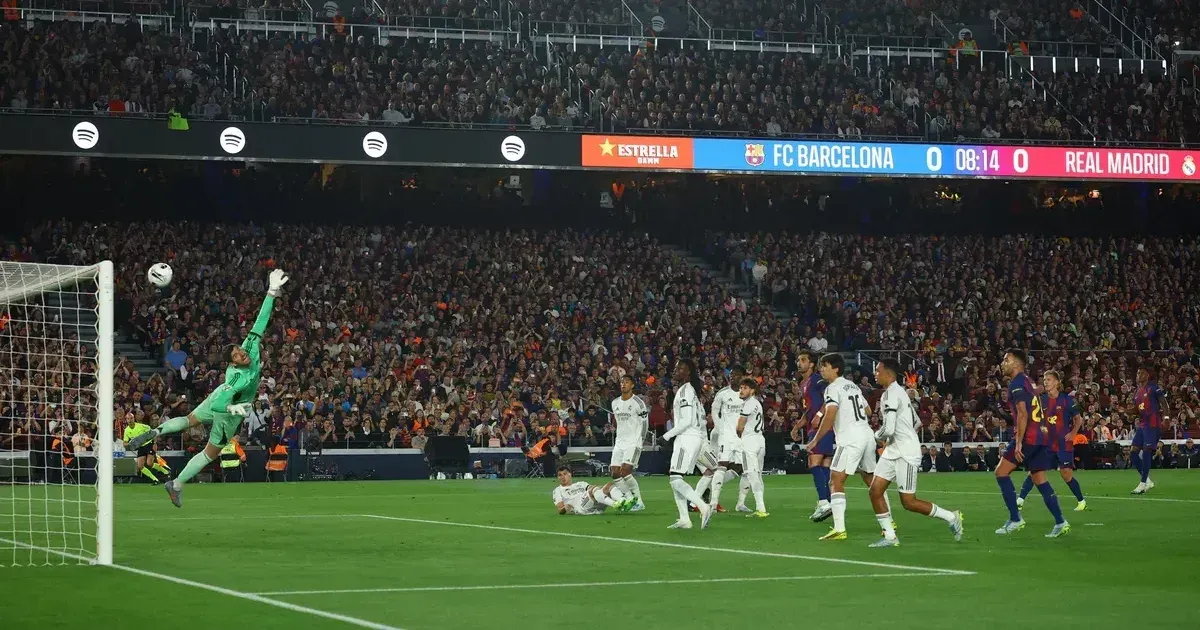
Barcelona's title win carried rivalry weight because it came directly against Real Madrid. Barcelona clinched the Spanish league title in the most direct way available: by beating Real Madrid at Camp Nou. The 2-0 win on May 10, 2026, secured the club's 29th La Liga crown and left its fiercest rival with no mathematical route back into the race. Goals from Marcus Rashford and Ferran Torres settled the match before halftime. The result gave Barcelona an insurmountable advantage with three rounds remaining. It also turned a high-pressure Clasico into a title celebration, with the home crowd watching a team that needed only a point take all three. For Real Madrid, the defeat deepened a difficult domestic season and confirmed the gap that had opened across the campaign. The final margin also mattered because it matched the flow of the match rather than flattering the winner.
The match carried additional emotional weight because Barcelona was playing under the eyes of a coaching staff managing both title pressure and personal strain. Even so, the team played with the control of a side that had already learned how to close a league race. The early goals removed uncertainty before Madrid could turn the occasion into a test of nerves.
Rashford and Torres Strike Early
Rashford changed the tone of the match in the ninth minute with a direct free kick into the top corner. The finish gave Barcelona early control and forced Madrid to chase a game it had hoped to manage more cautiously. Set-piece precision mattered because it removed the patience Real Madrid usually wants in away fixtures of this size.
Barcelona doubled the lead nine minutes later. Dani Olmo created the chance with a backheel inside the area, and Ferran Torres finished from close range to make the advantage decisive. The move captured the difference between the teams: Barcelona played with timing and confidence, while Madrid reacted late to runners in dangerous spaces.
Rashford's role went beyond the opening goal. His movement on the left stretched Madrid's back line and created room for Barcelona's midfielders to arrive between defenders. That pressure helped the home side keep the match in Madrid's half for long stretches of the first period.
Olmo was just as important to the rhythm of the win. His backheel for Torres was a small action, but it came from the kind of positional understanding that separates a rehearsed attack from a broken one. Barcelona repeatedly found those angles before Madrid could reset.
Madrid Finds No Route Back
Real Madrid struggled to build sustained pressure after falling behind. Jude Bellingham and Vinicius Junior looked for quick combinations, but Barcelona's defensive shape limited the clean entries Madrid needed. Eric Garcia read one dangerous pass before Vinicius could turn it into a clear chance.
Gonzalo produced one of the visitors' sharper looks when his shot hit the side netting, but Barcelona goalkeeper Joan Garcia was not forced into a rescue performance. The lack of high-quality chances pointed to Madrid's larger problem: too many attacks depended on individual moments rather than collective control.
The rivalry between Real Madrid and Barcelona remains one of the sport's defining fixtures, but this meeting was less balanced than the occasion suggested. Barcelona pressed with purpose, protected the center of the pitch and avoided the loose transitions that often give Madrid a path back into games. By halftime, the title race felt effectively over because Madrid had not shown a repeatable route through the press.
Barcelona Gains a Stable Platform While Madrid Faces a Structural Review
Barcelona's title gives the club a platform for the summer. A league win over Real Madrid strengthens the case that the squad is not only talented, but coherent enough to sustain pressure across a long campaign. It also gives the recruitment department a clearer argument when trying to retain key players and add depth.
Madrid faces a different review. The loss did not happen because of one missed chance or one defensive lapse; it reflected a broader inability to match Barcelona's structure in the season's defining league fixture. That will intensify scrutiny of the midfield balance, defensive spacing and the team's reliance on individual attackers to solve games. A club built to measure itself against Europe's best cannot ignore a domestic rival winning the league on its own ground.
The immediate verdict is simple. Barcelona did more than edge toward the title; it won it against the rival that would most have wanted to delay the celebration. The win also gives Barcelona a cleaner sporting story than a title secured elsewhere by another result. It controlled the decisive match, protected the lead and turned the league table into a direct reflection of the performance on the field.
That matters for the next stage of the rivalry. A title clinched in this fixture becomes part of the season's memory, not only a line in the standings. Barcelona now has proof of domestic superiority; Madrid has an offseason built around explaining why that proof was so visible. The result also gives Barcelona a more stable platform for squad planning because it answered the league question before the final rounds became a nervous exercise. Madrid, by contrast, has to decide whether the defeat was a one-match failure or evidence that the structure around its stars needs a sharper reset before Europe and La Liga converge again. That review will not be only tactical. It will include squad age, pressing habits, midfield protection and the patience of supporters who watched the title settled by a rival that looked calmer in the decisive fixture. Barcelona can also manage the closing league matches differently now, giving minutes to rotation players while keeping the title celebration tied to a performance that supporters saw directly. That flexibility matters because title-winning teams often use the final weeks to test younger players, protect starters and set the tone for cup or European priorities without weakening the meaning of the league finish. It also lets the staff reward players who carried the campaign through difficult stretches as it plans for the next season.