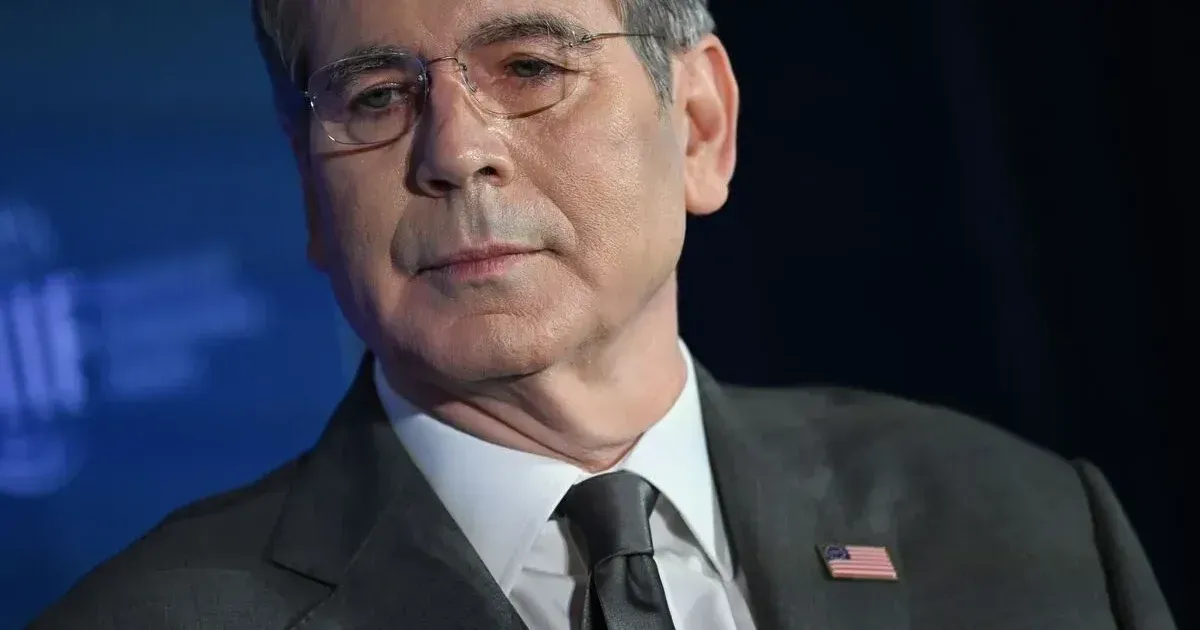
Scott Bessent said the Treasury Department is targeting July for the restoration of Trump-era tariffs, putting importers, retailers, and foreign governments on notice that a major trade fight may return by midsummer. Agencies now have to prepare customs systems, product lists and legal justifications under pressure. The April 15, 2026, timeline gives companies only a short window to decide how much risk to absorb before duties return.
The plan matters because tariffs are not only a diplomatic signal. They change landed costs for companies that bring goods into the United States, and those costs can move through supply chains into consumer prices. The administration is presenting the July target as a return to a tougher trade posture, while business groups are preparing for renewed uncertainty.
Treasury officials are expected to coordinate with customs authorities, trade lawyers, and sector specialists before any broad reinstatement. That process will determine which products face higher duties, how exemptions are handled, and whether the administration can defend the policy against new court challenges.
Tariff Timeline Creates Business Pressure
Companies that rely on imported components cannot wait until July to plan. Retailers, manufacturers, and logistics firms need to decide whether to accelerate orders, renegotiate supplier contracts, or hold inventory in case duties rise. Each choice carries a cost. Ordering early ties up cash, while waiting can leave firms exposed to sudden price changes.
The pressure is especially sharp for goods with long shipping schedules. Electronics, machinery, household items, and industrial inputs may already be in production when tariff rules change. If a shipment is priced under one assumption and arrives under another, importers can face losses or pass costs along to customers.
Bessent's comments also give foreign governments a deadline. Trading partners may seek talks before the July target, but they may also prepare retaliation if the duties are restored broadly. That makes the next several weeks a test of whether the tariff plan is mainly leverage or a settled policy course.
Legal and Inflation Risks
The legal path is central. Earlier trade measures often depended on executive authorities that courts and critics said were being stretched too far. A renewed tariff program will need a cleaner administrative record, especially if it covers a wide range of goods rather than a narrow national-security category.
Inflation is the other risk. Tariffs can protect certain domestic producers, but they can also raise prices for firms and consumers that buy imported goods. The effect is not always immediate, because companies may absorb some costs or use old inventory. Over time, however, higher import duties can feed into price tags, bids, and wage negotiations.
Supporters argue that tariffs can push companies to source more goods domestically and reduce dependence on strategic rivals. Critics counter that the policy functions as a tax on imports and can invite retaliation against U.S. exporters. Both claims can be true in different sectors, which is why the product list will matter as much as the headline tariff rate.
What July Could Change
If the July target holds, the first visible effects may appear in customs filings, company guidance, and contract language before shoppers notice changes in stores. Firms will likely ask suppliers to share the cost, seek exemptions, or adjust prices quietly. Some may delay investment until the legal picture becomes clearer.
The policy could also reshape campaign arguments about the economy. A tariff restoration lets the administration claim it is defending domestic industry. It also gives opponents a direct line of attack if prices rise or exporters complain about retaliation.
The most important question is how broad the reinstatement becomes. A limited set of targeted duties would create friction in specific industries. A sweeping restoration could touch hundreds of billions of dollars in trade and make tariffs a central economic issue again before summer ends.
That uncertainty is why companies are likely to treat July as a planning deadline even before final rules are published. Legal teams will review contracts, finance departments will model price changes, and procurement managers will ask whether suppliers can shift production. Those steps do not prove the tariffs will arrive exactly as described, but they show how a policy signal can alter business behavior weeks before duties are collected at the border.
The July target also gives lobbyists and foreign governments a defined window to seek changes. Trade associations will argue that some goods have no immediate domestic substitute, while unions and protected industries will argue that tariffs are necessary to rebuild capacity. The administration will have to decide how many exemptions to allow without weakening the message of the policy. That decision can be as important as the headline rate because exemptions determine which companies carry the burden and which receive relief. For consumers, the early signs may appear in company warnings, delayed discounts, and cautious inventory planning before any official price increase reaches shelves.
That is why the tariff story will not wait for the formal start date. The expectation of higher duties can change orders, shipping schedules, and pricing decisions before the first July entry is filed.