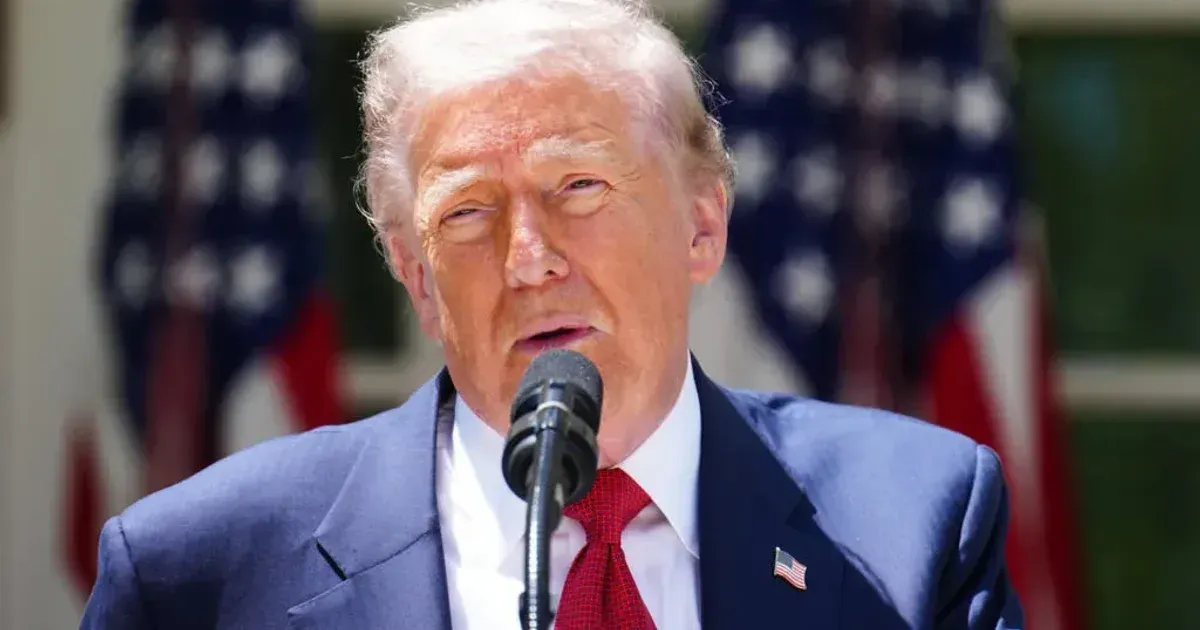
The ceasefire gives both governments a short window to test whether prisoner releases can hold a wider pause. President Donald Trump secured a 72-hour halt to hostilities in Eastern Europe. An announcement on May 8, 2026, confirmed that both Russia and Ukraine agreed to pause active combat operations. Under the terms of the arrangement, the ceasefire will begin on May 9 and conclude on May 11. This timeline covers a period of deep cultural and political importance for both nations. The agreement is the first coordinated suspension of fighting involving the current US administration since it took office.
Combatants will use the window to enable a large-scale humanitarian transfer. Specifics provided by the White House indicate that 1,000 prisoners of war from each side will return home. Aside from the cessation of drone strikes and artillery barrages, the logistical coordination required for a 2,000-person exchange requires a complete freeze of the front lines. The logistics of moving such a high volume of personnel across active battle zones are difficult to verify and vulnerable to local breakdowns. Support for the deal came from multiple international observers who have monitored the conflict for years.
Russian Presidential Aide Yury Ushakov confirmed the Kremlin's participation in the initiative. The move was authorized directly by President Vladimir Putin according to official statements from Moscow. While the Kremlin has historically been selective regarding pauses in military activity, the May 9 start date holds deep meaning in Russia. Victory Day celebrations usually involve large military parades and public gatherings that require a focused domestic security posture. The agreement allows these events to proceed without the immediate threat of cross-border strikes.
Humanitarian organizations expect the exchange to begin in the early hours of Saturday.
Ukrainian officials also signaled their compliance with the 72-hour truce. Government representatives in Kyiv confirmed that the prisoner swap remains a primary objective of their current diplomatic strategy. Negotiators had spent weeks discussing the specific names of the 1,000 Ukrainian soldiers set for release. If the transfer proceeds without interference, it will mark the largest single-day prisoner exchange since the early phases of the invasion. Previous efforts at smaller exchanges frequently stalled over disagreements regarding the rank and health of those being traded.
Logistics of the Large-Scale Prisoner Exchange
Moving 2,000 soldiers within a three-day window requires substantial transportation resources and security protocols. Both capitals must coordinate neutral meeting points, often using border crossings in neighboring regions. Each nation is expected to provide medical assessments and transport for the returning troops. A 72-hour window leaves little room for error, as any violation of the ceasefire could jeopardize the safety of the prisoners in transit. Military analysts note that the swap will include several high-ranking officers who have been in captivity for over a year. This latest ceasefire follows a similar pattern to the brief truce observed during Orthodox Easter earlier this spring.
Russian Presidential Aide Yury Ushakov said the pause in active military engagements was ordered at President Vladimir Putin's instruction.
The successful execution of this swap depends on the reliability of communications between local commanders. Past experience suggests that localized skirmishes often persist even after a central command orders a stand-down. Clear directives must reach every trench and artillery battery to prevent accidental escalations during the high-stakes transfers. Donald Trump has positioned himself as the central mediator in these talks, emphasizing his direct communication with the leaders in Moscow and Kyiv as the catalyst for the breakthrough.
Victory Day and the Diplomatic Window
Victory Day in Russia, observed on May 9, is the most powerful holiday in the Russian state calendar. It commemorates the defeat of Nazi Germany and usually functions as a display of modern military hardware. Securing a ceasefire on this specific date provides the Kremlin with a period of internal stability during its national celebrations. By agreeing to the pause, Vladimir Putin avoids the domestic optics of combat casualties during a holiday focused on historical military success. The strategic timing, however, does not necessarily guarantee a longer-term resolution to the conflict.
Kyiv also views the pause as a necessary respite for its frontline units. Exhausted battalions will have three days to reorganize and receive supplies without the constant threat of aerial bombardment. Ukrainian leadership has emphasized that while the swap is a victory for the families of the captives, the territorial disputes remain unresolved. The three-day period provides a brief glimpse of what a negotiated settlement might look like, though the fundamental objectives of both sides remain largely unchanged. Future discussions will likely hinge on the successful completion of this current prisoner transfer.
International markets responded with a slight decline in energy prices following the news. Investors often view any reduction in kinetic warfare as a sign of decreasing geopolitical risk in the Black Sea region. While three days of peace is a fraction of the time lost to the war, the involvement of the US president as a direct broker introduces a new dynamic to the stalled peace process. The focus now shifts to whether the 72-hour window can be extended into a more durable framework for negotiation.
Ceasefire Credibility Test
Establishing a temporary truce during a period of peak symbolic importance demonstrates a tactical shift in how Washington approaches the Eastern European conflict. By leveraging the Victory Day holiday, mediators found a rare moment where the interests of the Kremlin aligned with the humanitarian needs of the Ukrainian military. The prisoner swap provides a concrete metric of success that both sides can present to their respective publics as a win. This pragmatic approach focuses on achievable, short-term milestones rather than chasing an elusive and immediate peace treaty.
Long-term regional stability depends entirely on the degree of trust built during these 72 hours. If 2,000 families are reunited without a breakdown in the ceasefire, it creates a precedent for larger, more complex negotiations involving land and sovereignty. Failure to maintain the peace, even for three days, would likely harden the resolve of those who believe only a total military victory can end the struggle. The stakes are far higher than the freedom of the prisoners; they involve the viability of the American administration's role as a credible peace broker in the world's most volatile theater. The window closes on May 11.