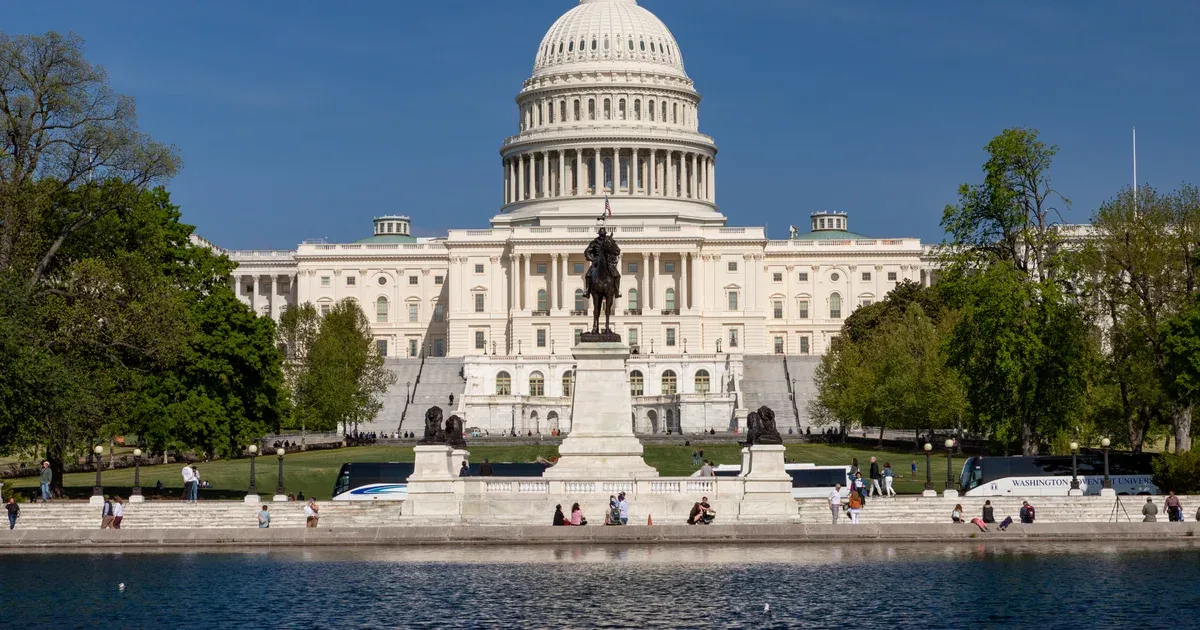
The budget fight is now a constitutional test, not only a fiscal dispute. The administration is using timing as leverage. Donald Trump released a budget request on April 5, 2026, that challenges the long-held assumption that Congress retains final authority over federal spending. Traditional cycles of fiscal negotiation typically follow a predictable path where the executive branch proposes and the legislative branch disposes. White House officials, however, have spent the last year engineering mechanisms to claw back funds that lawmakers previously authorized for various agencies. These moves have effectively upended the dynamic between the two branches of government.
A year of funding clawbacks, repeated government shutdowns, and high-stakes legal battles has transformed how Washington views the latest financial blueprint from the administration. Legislative authority appears increasingly vulnerable to administrative maneuvering. Even if the current proposal meets resistance on Capitol Hill, the executive branch maintains various tools to implement its priorities unilaterally. Records from the Treasury Department indicate that the administration has already begun shifting resources without new legislative approval. Political observers note that the executive branch is no longer content to wait for congressional consensus.
Recent history shows that the administration can move forward with its agenda regardless of legislative stalemates. One high-profile incident involved the cancellation of $5 billion in foreign aid. Central to this fiscal friction is a maneuver known as the pocket rescission, a tactic that effectively cancels spending by running out the clock on the fiscal year. Budget requests usually serve as a starting point for months of deliberation between the House and Senate appropriations committees. Administrative officials have instead used the final weeks of the fiscal year to target specific programs for elimination. Critics in both parties argue that such moves render standard appropriations bills meaningless. Executive agencies often withhold funds for 45 days after a rescission request is sent to Congress.
If that window overlaps with the end of the fiscal year, the funds expire before they can be legally protected by lawmakers. This specific mechanism allows the administration to pocket the money, preventing it from ever reaching its intended destination. Efforts to stop these maneuvers have faced meaningful hurdles in the courts. Legal experts, for their part, are closely monitoring how the judiciary will respond to these aggressive spending shifts. Administrative power has expanded while legislative oversight has struggled to keep pace.
Rescission Strategy Tests Congress
Internal memos from the Office of Management and Budget suggest a coordinated effort to test the limits of the 1974 Impoundment Control Act. That law was originally passed to prevent President Richard Nixon from unilaterally refusing to spend money appropriated by Congress. The statute requires the president to obtain congressional approval before permanently canceling funds. Administration lawyers have identified loopholes in the timing of these requests that allow for temporary withholdings to become permanent expirations. Last year, the executive branch employed this strategy to halt several international development projects.
Members of the House Appropriations Committee have called the tactic a violation of the constitutional separation of powers. Many lawmakers argue that the ability to withhold funds without a vote destroys the foundation of the budget process. Despite these objections, the administration has not signaled any intention to return to traditional spending norms. Control of the treasury is no longer guaranteed by legislation. Legislative leaders, meanwhile, find themselves in a reactive posture. Every new budget request now carries the threat of future clawbacks that could occur months after a deal is signed. Negotiators are forced to consider whether a hard-won compromise will actually result in the distribution of funds. This uncertainty has slowed the pace of committee work and increased the likelihood of stopgap funding measures. Joe Carlile, an associate director at OMB during the Biden administration, believes the current environment is fundamentally different from previous eras.
“It’s hard enough to get 12 appropriations bills done and even harder when you’re not sure if the deal that you strike is even a deal,” said Joe Carlile, an associate director at OMB during the Biden administration.
The confusion surrounding these deals has impacted federal agencies that rely on steady funding streams. Program managers at the State Department and USAID report that planning for multi-year initiatives has become nearly impossible. Contractual obligations are frequently put on hold while the administration reviews previously approved spending. Federal employees often receive conflicting instructions regarding the availability of resources. These disruptions are not limited to international programs but have begun to affect domestic infrastructure and research projects. Financial uncertainty is now a permanent feature of the administrative landscape.
Agencies Face Planning Risk
Judicial intervention has become the primary hope for those seeking to restore the legislative power of the purse. The Supreme Court issued a preliminary decision last fall that allowed the administration to proceed with canceling certain foreign aid funds. That ruling, however, did not address the broader legality of the pocket rescission tactic itself. Justices are expected to hear arguments on the matter in the coming months. A final ruling could either cement the executive branch's new powers or force a return to the strict requirements of the 1974 act.
Legal scholars are divided on how the conservative majority will interpret the executive's role in fiscal management. Some argue that the president has the inherent authority to manage the execution of the budget. Others contend that allowing the president to ignore appropriations acts would give the executive branch too much control over national policy. The outcome of these cases will determine the balance of power for decades. Recent filings from the Department of Justice emphasize the president's duty to ensure that federal funds are spent efficiently. Lawyers for the administration argue that the executive must have the flexibility to cancel spending that is no longer in the national interest. They point to shifting global priorities as a justification for withholding aid. Critics respond that this logic allows the president to override any law passed by Congress. If the administration can decide which laws are efficient enough to fund, the legislative process becomes secondary. Arguments before the court have highlighted the tension between administrative flexibility and constitutional mandates.
The judiciary has historically been reluctant to interfere in budget disputes between the other two branches. A decision to stay out of the fray would likely be seen as a victory for the Donald Trump administration.
Courts Become the Deciding Arena
The Office of Management and Budget has transformed from a technical support agency into a powerful tool of executive policy. Under the current leadership, the agency has taken a more active role in policing how federal departments use their money. Budget examiners now scrutinize every dollar with an eye toward potential rescissions. This shift has centralized power within the West Wing, diminishing the influence of cabinet secretaries and career civil servants. Internal directives require agencies to report on any funds that remain unspent at the end of each quarter. These reports are then used to identify targets for the next round of rescission requests. The administrative machinery for withholding funds is more established than at any point in recent history.
Administrative actions often take place behind closed doors, away from the public eye. Analysts at the Government Accountability Office have struggled to track the total amount of money that has been withheld. Delays in reporting have made it difficult for Congress to exercise its oversight responsibilities. Many rescission requests are sent to the Hill with very little time for review. Lawmakers often receive hundreds of pages of budget data just days before the 45-day clock expires. The information overload prevents thorough analysis and makes it easier for the administration to execute its plans. The complexity of the budget process serves to shield executive maneuvers from public scrutiny.
Fiscal Power Is the Real Fight
Opposition to the administration's budget tactics is not limited to one side of the aisle. Several Republican senators have expressed concern that the erosion of congressional power will eventually harm their own priorities. They worry that a future Democratic president could use the same tactics to defund military programs or border security initiatives. Despite these concerns, the party has largely remained unified behind the president's broader fiscal goals. Democratic leaders have been more vocal in their criticism, accusing the White House of a power grab. They have introduced legislation to clarify the Impoundment Control Act and close the loopholes used for pocket rescissions. Such measures, however, have little chance of passing in a divided Congress. The legislative branch remains paralyzed by internal disagreements.
State governments are also feeling the impact of the federal budget wars. Many federal grants are subject to the same rescission risks as agency budgets. Governors have complained that they cannot plan their own state budgets when federal funding is uncertain. Transportation projects and educational programs are particularly vulnerable to sudden shifts in federal support. These localized impacts have forced many states to increase their own rainy-day funds. The uncertainty at the federal level is trickling down to the local level.
Budget negotiations for the next fiscal year are expected to be the most disputed in a decade. Both sides are digging in their heels as the deadline for a new funding deal approaches. The administration has made it clear that it will continue to use every available tool to achieve its policy aims. Congress must decide whether to fight for its traditional powers or accept a secondary role in the budget process. The stakes extend far beyond simple accounting. National priorities and the structure of the government itself are at risk.