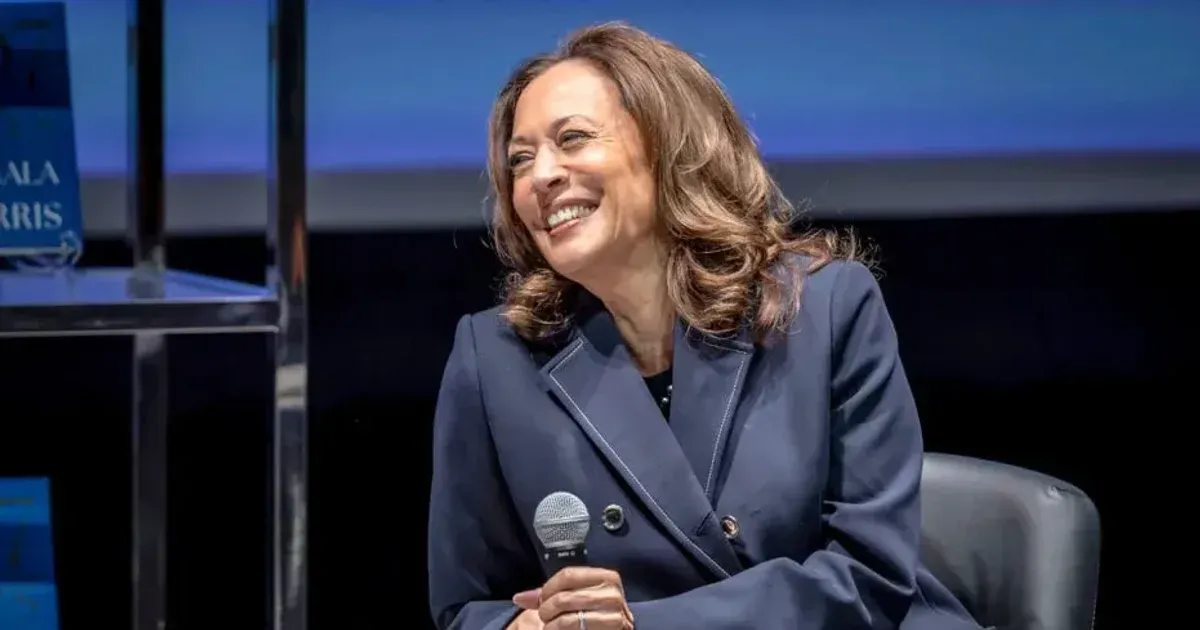
The early 2028 Democratic field is beginning to take shape in public. Kamala Harris confirmed an upcoming appearance at a high-profile civil rights convention in New York City. The April 5, 2026 announcement immediately revived speculation about her 2028 plans. Organizers for the National Action Network expect the former vice president to deliver a keynote address on Friday. National Action Network founder Rev. Al Sharpton will host the 35th Anniversary Convention, a gathering that historically is a required stop for Democratic aspirants. Attendance at this event provides a direct channel to influential Black leaders and activists who constitute the most loyal segment of the party base. Harris intends to secure this constituency before other potential challengers enter the field.
Harris Targets Key Democratic Voting Blocs
Strategists closely watching the 2028 cycle view the New York appearance as a calculated move to maintain visibility within the civil rights community. Harris was mostly out of the headlines for several months after the Joe Biden administration concluded early last year. She re-emerged in the political spotlight during the spring and summer of 2025 by headlining Democratic National Committee fundraisers. Political activity of this nature typically signals the start of a multi-year effort to rebuild a national platform. Harris previously was the 2024 presidential nominee, a role that granted her meaningful name recognition and a donor network that persists into the current cycle.
A veteran strategist in her political orbit told Fox News Digital that reading tea leaves is inevitable at this stage. The source, who spoke on the condition of anonymity, stated that the only clear signal is that she will continue to be a fighting force for the party. Harris has not officially declared her candidacy, yet her travel schedule mirrors the path of a traditional primary campaign. Her current efforts focus on domestic policy issues that resonate with the urban electorate. This strategy prioritizes the consolidation of support in early primary states like South Carolina where the Black vote is decisive.
California Absence Creates Presidential Runway
Decision-making regarding her home state also suggests a focus on federal rather than state-level power. Harris opted to pass on launching a 2026 gubernatorial campaign in California last summer. Skipping the race for the governor's mansion in Sacramento allows her to avoid the local policy entanglements that often complicate a national run. It also prevents her from being tied to the regional legislative battles that currently dominate California politics. Analysts believe this move was designed to keep her schedule clear for the heavy travel requirements of a presidential preseason. The former vice president is currently conducting a nationwide tour for her memoir which details her experiences during the abbreviated 2024 campaign. As the 2028 presidential election cycle begins, other party figures are also signaling potential bids.
Nationwide book tours frequently provide a cover for candidates to visit swing states without the formal scrutiny of a declared campaign. Harris has visited several key markets in the Midwest and Sun Belt over the past four months. Public appearances in these regions allow her to test messaging and reconnect with local party officials who managed her previous bid. The logistics of such a tour are indistinguishable from early-stage primary organizing. Supporters of Kamala Harris point to her experience as a former prosecutor and attorney general as assets that will remain relevant in the 2028 landscape.
Ruben Gallego Explores Latino Coalition Path
Senator Ruben Gallego from Arizona became a distinct alternative to the established party leadership this week. Speaking in Chicago ahead of a Latino construction industry event, Gallego addressed his potential interest in a 2028 run. He stated that his team must look at the possibility given the shifting demographics of the American electorate. Gallego is a younger generation of Democratic leadership that has found success in the increasingly competitive Southwest. His background as a Marine veteran and his focus on labor issues appeal to a different segment of the party than the one Harris currently commands. The Senator, however, faces the challenge of building national name recognition outside of Arizona.
"We have to look at it," Senator Ruben Gallego said in Chicago regarding a potential 2028 presidential bid.
Chicago is a symbolic backdrop for his comments because of its history as a hub for organized labor and diverse immigrant communities. Gallego used the construction industry event to highlight his record on infrastructure and economic development. He frequently emphasizes the importance of the Latino vote, a demographic that showed serious volatility during the last two election cycles. Winning back working-class Latino voters in the Rust Belt and the Southwest is a primary objective for the Democratic National Committee. Gallego argues that his personal narrative and policy focus are uniquely suited to this task.
Demographic Shifts Redefine Primary Strategies
Primary dynamics for the 2028 cycle will likely revolve around competing visions for the future of the Democratic coalition. Harris represents the institutional wing of the party with deep ties to traditional civil rights organizations and the donor class in New York City. Her strength lies in her ability to mobilize the reliable base of the party in large metropolitan areas. Gallego represents a more populist, insurgent approach that seeks to expand the party reach into rural and industrial sectors. These two paths illustrate the internal debate over whether to double down on existing strongholds or attempt to recapture lost ground among blue collar voters. Recent polling data indicates that the electorate is increasingly divided along educational and geographic lines.
Success in the upcoming primary will require more than demographic appeal. Future candidates must navigate a media environment that is increasingly fragmented and skeptical of established political figures. Harris has used her online presence and social media platforms to bypass traditional news outlets since leaving office. Gallego has taken a similar approach by engaging with niche podcasts and industry-specific forums. The early positioning of these two figures suggests a long and expensive primary battle ahead. Both candidates are currently laying the groundwork for a fundraising apparatus capable of sustaining a $100 million campaign. Early indications from the 2026 midterm cycle suggest that donor enthusiasm remains high for fresh leadership.
Primary Calendar Choice
Democratic party leaders are walking into a trap of their own making by allowing the 2028 field to be defined by 2024 survivors and niche demographic specialists. Kamala Harris, despite her institutional backing, carries the heavy baggage of an unsuccessful national campaign that failed to make a difference in the suburbs. Her current strategy of retreating into the comfort of safe spaces like the National Action Network is a retreat into a bunker. This approach might win a primary, but it offers no solution to the broader electoral erosion the party faces among working class voters of all races.
The idea that a book tour and a few speeches in New York can wash away the memory of the Biden era policy failures is a fantasy held only by those within the Washington bubble.
Ruben Gallego presents a more interesting but equally untested proposition. He claims to be the answer to the Latino exodus from the Democratic party, yet his political identity is still largely confined to the specific geography of Arizona. There is a huge leap between winning a Senate seat in a swing state and building a national coalition that can hold together the far-left and the centrist suburbs. Gallego is essentially betting that the party is desperate enough for new faces that it will ignore his lack of executive experience.
It is a gamble that assumes the electorate wants a fighter more than a manager. History suggests that voters in times of economic uncertainty usually prefer the latter, regardless of how much they complain about the establishment during the primary season.
The Democratic primary will not be won by the candidate who checks the most demographic boxes or spends the most time on a memoir tour. It will be won by whoever manages to articulate a vision that actually addresses the cost of living crisis that has plagued the American middle class for years. Neither Harris nor Gallego has yet offered a policy framework that moves beyond the platitudes of the 2024 platform. If the party continues to prioritize identity over industry, it will find itself repeating the same mistakes that led to their current state of irrelevance. The 2028 race is already shaping up to be a contest of optics over substance. Total failure.