President Donald Trump issued a public demand for international allies to help seize the Strait of Hormuz as Iranian forces continued a campaign of missile strikes against global shipping. Military frustration in Washington reached a new peak because Tehran maintained a steady barrage across the Persian Gulf despite weeks of naval pressure. Tactical reports confirmed that Iranian batteries targeted multiple commercial vessels navigating the narrow waterway during the early morning hours. On March 31, 2026, the Hormuz demand moved from security rhetoric into a direct market concern.
One strike hit a fully laden oil tanker attempting to exit the gulf. Damage to the vessel disrupted traffic in one of the world's most critical maritime chokepoints. Crude oil prices fluctuated wildly because of the sudden threat to supply continuity. Officials in the White House reportedly signaled a willingness to end the conflict even if the waterway remained closed for an extended period. This development suggested a shift in priority toward ending hostilities over immediate maritime restoration.
Maritime Security and Energy Supply Chains
International shipping companies began rerouting vessels around the Cape of Good Hope to avoid the volatility in the Middle East. Such maneuvers increased transit times and fuel costs for global carriers. Insurance premiums for tankers operating in the region surged to levels unseen since the previous decade. Security analysts noted that Iran's ability to sustain missile fire demonstrated a resilient coastal defense infrastructure. Naval commanders from allied nations expressed concern about the logistical challenges of a full scale seizure of the waterway.
Iranian officials maintained that their actions were a direct response to foreign intervention in regional affairs. Missile batteries hidden along the rugged coastline provided Tehran with a persistent advantage against conventional naval forces. Satellite imagery showed increased activity at several launch sites throughout the week. One official stated that the blockade would persist until diplomatic demands were met. Global energy markets reacted to every report of a new launch with sharp price spikes.
G7 Policy Divergence on War Fallout
Tensions between Washington and Brussels emerged during high-level Group of Seven video talks regarding the duration of the economic impact. Treasury Secretary Scott Bessent offered an optimistic outlook, suggesting that the fallout from the conflict would be short lived. His assessment focused on the resilience of the American domestic economy and diversified energy sources. Many Wall Street participants shared this view, hoping for a rapid return to normalcy once the initial shock subsided. Trump's strategy extends to potentially seizing Iranian oil infrastructure to further weaken Tehran's capability to wage war.
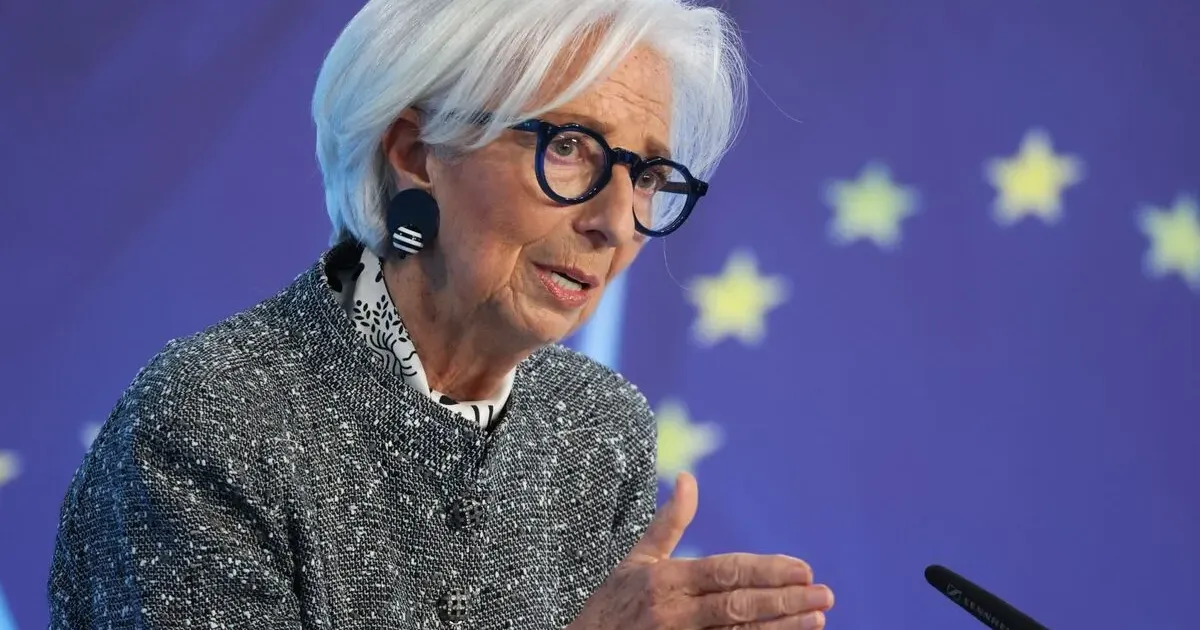
Christine Lagarde challenged this optimism during the private session. People familiar with the matter indicated she was vocal about the structural damage being done to European industrial hubs. Higher energy costs threatened to pull the Eurozone into a deeper recession than initially projected. Lagarde emphasized that the length of the war mattered more than the intensity of individual skirmishes. European leaders worry that a prolonged naval blockade will permanently alter global trade routes.
"We believe that a re-test of the recent lows is likely before a more sustainable recovery takes hold in the equity markets," said Adam Kobeissi in a recent assessment of the geopolitical impact on trading.
Economic data from the first-quarter supported some of the more cautious views held by European officials. Inflation figures across the G7 moved higher because of transportation costs and energy surcharges. Bessent maintained that a resolution was near, citing backchannel diplomatic efforts. Sources close to the Treasury suggested that internal models predicted a sharp rebound in the second half of the year. Disagreement persists among the world's most powerful finance ministers regarding the correct policy response.
S&P 500 Technical Recovery Prospects
Wall Street traders focused on technical indicators as the S&P 500 recorded a 6% decline since the start of the year. Much of this selloff originated from anxiety surrounding the conflict and its impact on the technology sector. Investors moved capital out of growth stocks and into traditional safe havens like gold and government bonds. Technical analysts pointed to the Relative Strength Index as a sign of an impending shift. The measure for the S&P 500 dropped to 29 on Monday.
Readings below 30 often indicate that an asset is severely oversold. Adam Kobeissi, founder of The Kobeissi Letter, noted that the index reached its lowest point in 232 days. His analysis suggested that the market was primed for a relief rally. Investors looking for a bottom were encouraged by a 1% gain on Tuesday. This movement came after reports suggested President Trump might seek a quicker exit from the military engagement.
Market volatility continues to be the primary concern for institutional fund managers. AI-related stocks faced additional pressure as supply-chain disruptions impacted the manufacturing of specialized hardware. Analysts warned that any rally might be temporary if the situation in the Persian Gulf worsened. Trading volumes remained high as participants repositioned their portfolios for a long period of regional instability. Hard data shows that the correlation between energy prices and equity performance has tightened sharply.
Market Risk From Strait Control
Trump's demand links military control of a waterway to financial-market confidence. Investors may welcome any step that promises stable shipping, but they also price in the danger that a seizure attempt widens the war.
That tension explains the uneven market response. Oversold indicators can create a rally, yet energy security fears remain powerful enough to unsettle equities, currencies and shipping insurance at the same time.