The oil-seizure idea turned a military debate into a constitutional and market test. The oil question would immediately become a war-powers question. Donald Trump proposed the potential seizure of Iranian oil assets during an interview on March 30, 2026, targeting Kharg Island as a strategic objective. Speaking with the Financial Times, he confirmed that his administration is evaluating the physical control of the primary export terminal located in the Persian Gulf. Such a move would aim to cripple a major source of foreign currency of the Iranian government while negotiations over regional security continue. Analysts describe the proposal as a return to a transactional foreign policy doctrine the president has favored since his first term.
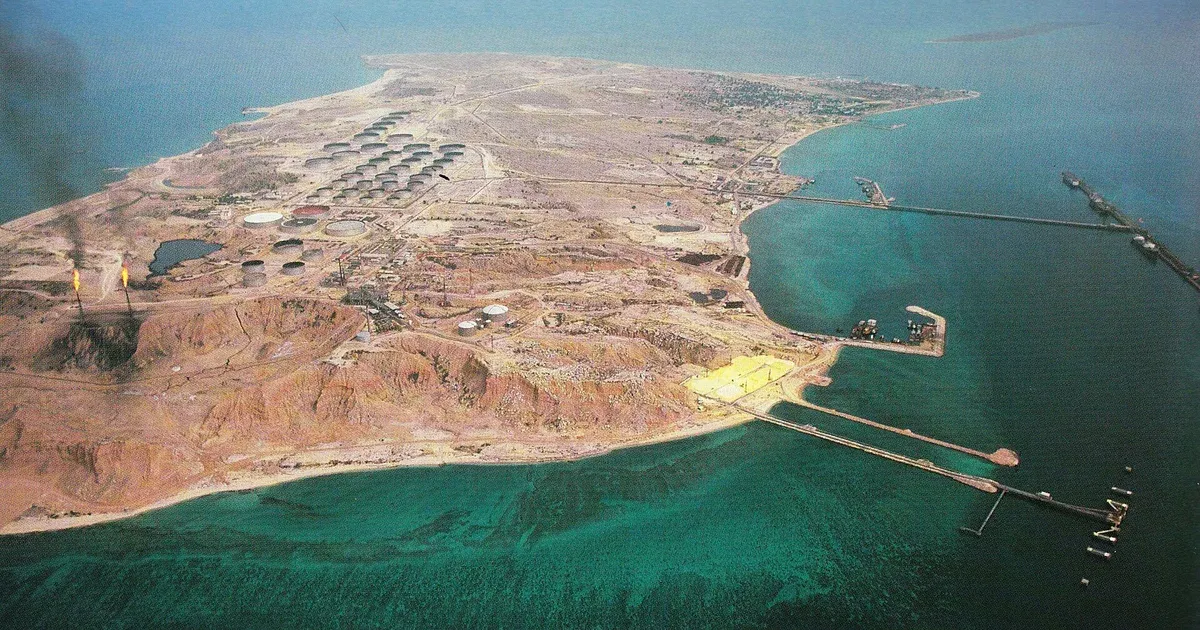
Kharg Island acts as the lifeblood of the Iranian economy. It handles approximately 90 percent of the country's crude oil exports, making it the single most important piece of infrastructure in the region. Seizing this facility would put the United States in direct control of Iran's most important export channel. Military experts note that the island sits just 25 kilometers off the coast, making it a vulnerable target for naval or amphibious operations. Satellite imagery shows the facility consists of several large jetties and a huge tank farm designed to hold millions of barrels of crude oil.
Kharg Island Economic Significance and Infrastructure
Logistically, the terminal is built to accommodate supertankers that carry oil to markets in Asia and Europe. Losing control of this hub would force Iran to rely on smaller, less efficient terminals or land-based pipelines that lack the capacity to maintain current export levels. President Donald Trump suggested that the oil could be used to pay for the costs of regional security operations. This logic mirrors his previous comments regarding Iraqi and Syrian oil fields during earlier conflicts. Financial analysts believe the revenue from such a seizure could reach billions of dollars monthly depending on global market prices.
Iranian officials have previously threatened to close the Strait of Hormuz if their energy exports are blocked. Kharg Island is situated north of that narrow chokepoint, but its proximity to the Iranian mainland provides the military there with serious defensive advantages. Surface-to-air missile batteries and coastal defense systems protect the area from incursions. Any attempt to occupy the island would likely trigger a direct military confrontation involving the Iranian Revolutionary Guard Corps Navy. The island remains the primary target for any strategy aimed at total economic isolation.
International Law and Sovereignty Complications
Legal scholars at the United Nations warn that the seizure of a sovereign nation's natural resources violates fundamental principles of international law. Specifically, the UN Charter prohibits the use of force against the territorial integrity or political independence of any state. Proponents of the move argue that Iran's own violations of maritime law provide a legal basis for a retaliatory seizure. They point to past incidents where Iranian forces detained commercial tankers in international waters as a justification for a proportional response. Sovereignty remains a disputed issue in this specific debate.
International courts generally view the permanent seizure of resources as an act of pillage, which is classified as a war crime under the Geneva Conventions. A temporary occupation for security reasons might find different legal footing, yet the long-term extraction of oil for American profit would face immediate challenges in global courts. European allies have expressed skepticism regarding the legality of such a maneuver. Most legal frameworks require a formal declaration of war or a specific mandate from the Security Council to authorize the control of foreign state assets. Previous precedents in international law suggest that even frozen assets must eventually be returned to the sovereign owner.
We are looking at all options, including taking the oil, because it stops the funding of the regime immediately.
, Donald TrumpStrategic planners emphasize that the physical seizure of oil is only the first step in a complex process. Managing the facilities requires specialized technical expertise and a secure supply-chain for replacement parts. Iranian engineers currently operate the complex machinery required to pump and load the crude. If those workers refuse to cooperate or sabotage the equipment during an invasion, the terminal could become a liability. Rebuilding damaged jetties or storage tanks would take months and require enormous capital investment.
Global Energy Market Reaction and Price Projections
Oil markets reacted sharply to the news of the proposed seizure. Brent crude prices surged toward $120 per barrel within hours of the interview being published. Traders fear that a conflict at Kharg Island would disrupt the flow of nearly 2 million barrels of oil per day. Such a supply shock could lead to record-high gasoline prices in the United States and United Kingdom. Supply chains are already sensitive to geopolitical instability in the Middle East, and this announcement has introduced a new layer of volatility. Energy analysts warn that a prolonged occupation could keep prices elevated for years.
Regional competitors like Saudi Arabia and the United Arab Emirates might increase production to offset Iranian losses. These nations possess the spare capacity to reduce some of the market impact, but they cannot replace the specific grades of crude that Iran provides to Asian refineries. Market stability depends on the predictability of shipping lanes through the Persian Gulf. If the conflict spreads to other oil-producing areas, the global economy could face a severe recession. Investors are currently pricing in a high probability of military escalation before the end of the fiscal year.
Diplomatic Consequences for Ongoing Negotiations
Diplomacy between Washington and Tehran have reached a standstill following these comments. Iranian negotiators reportedly walked away from the table in Geneva, citing the threat of asset seizure as a breach of good faith. While the administration claims these threats are intended to increase leverage, critics argue they have the opposite effect by hardening the Iranian stance. Domestic politics in Tehran often rally around the defense of national resources. Hardliners within the Iranian government have used the president's words to justify their own military buildup. Communication channels now appear restricted to back-channel intermediaries.
Washington's partners in the region are closely monitoring the situation. Many of these countries rely on US security guarantees but fear the economic fallout of a total regional war. Kuwait and Qatar have called for restraint to prevent a collapse of the current security architecture. These nations understand that any disruption at Kharg Island will eventually affect their own ability to export liquefied natural gas and crude. Escalation in the Persian Gulf threatens the prosperity of every nation bordering its waters. Regional stability persists as a fragile balance of power.
War Powers And Oil Risk
Projecting power through the seizure of sovereign energy assets is a gamble that ignores the complex web of modern global finance. Donald Trump is betting that physical control of a single island can break a regime that has spent four decades building resilience against economic pressure. History shows that resource seizures rarely pay for themselves once the costs of occupation and international sanctions are tallied. This approach might appeal to a base that favors aggressive isolationism, but it risks alienating every major trading partner the United States still holds in the Middle East and Europe.
Washington will likely find that holding the oil is far more expensive than buying it. The technical requirements to maintain the Kharg Island terminal under combat conditions are enormous, and the legal fallout will tie up American assets in international courts for a generation. If the goal is truly to stop the funding of the regime, the administration should focus on secondary sanctions that tighten the noose around shadow banking networks. A physical invasion for oil is a blunt instrument in a world that requires a surgical scalpel. Bold rhetoric might win headlines, but it does not win the long-term economic war. High-stakes failure.