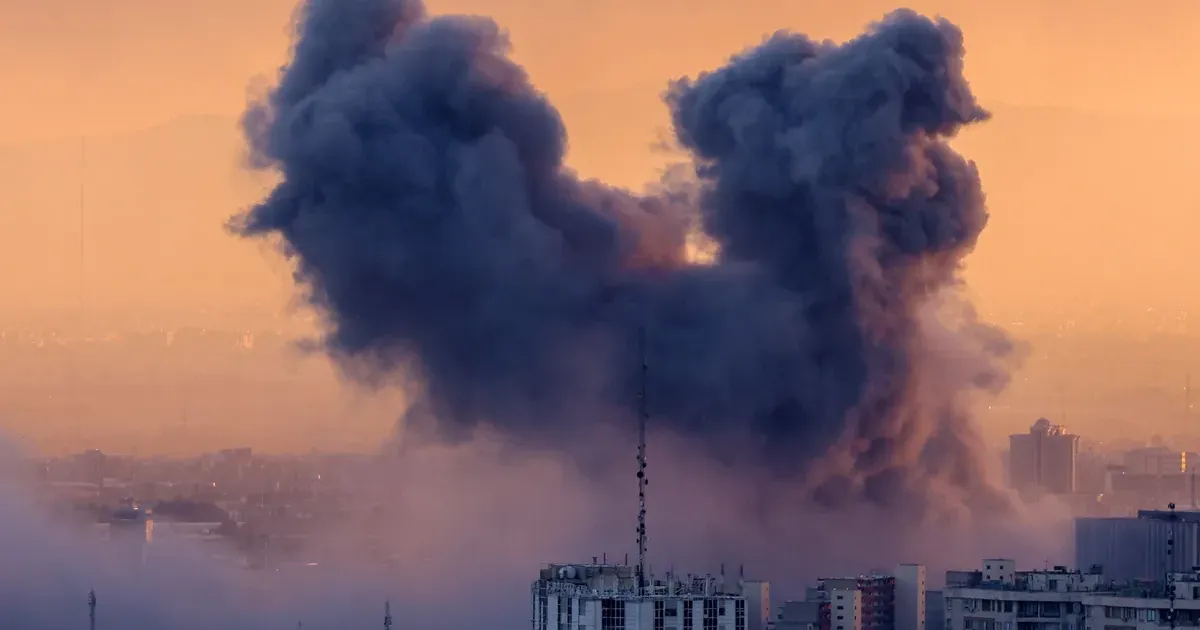
Oil markets are now trading like the Iran war has become an economic regime change event. The market pressure is now a budget problem for importers. March 30, 2026, marks one month since the first missiles struck military installations near Tehran and changed the trajectory of the global economy. Markets continue to react with volatility as the military campaign involving the United States, Israel, and Iran enters another week without a clear resolution. Analysts at major financial institutions are adjusting their growth forecasts for the fiscal year because energy prices have surged to levels unseen since the initial months of the invasion of Ukraine. Crude oil futures for May delivery recently settled above $100 per barrel on the New York Mercantile Exchange. Energy markets have transitioned from cautious observation to active panic because the conflict threatens the stability of the Strait of Hormuz. This critical waterway enables the movement of roughly 20% of the world's daily oil consumption. Insurance premiums for tankers in the Persian Gulf have climbed by 400% in thirty days. Shipping companies now redirect vessels around the Cape of Good Hope to avoid the combat zone. These longer routes add twelve days to transit times and sharply increase fuel consumption for global logistics firms.
Energy Markets Face Unstable Supply Dynamics
Fuel shortages are already visible at retail locations across Asia and Europe. Drivers in New Delhi and Manila report waiting six hours for limited gasoline rations as their respective governments implement emergency conservation measures. US gasoline prices now average $4.20 per gallon in several West Coast markets. This price spike creates immediate downward pressure on consumer discretionary spending. Energy experts at the International Energy Agency warn that the current supply shock could worsen if Iranian retaliation targets production facilities in neighboring states.
Fatih Birol, executive director of the IEA, expressed grave concern during a press conference in Sydney earlier this week.
“No country will be immune to the effects of this crisis if it continues to go in this direction,” Birol said while addressing the regional impact on Pacific trade partners.
Refineries in South Korea and Japan are drawing down national strategic reserves to keep industrial output stable. These reserves are finite and were designed for short-term disruptions rather than prolonged regional warfare. Market analysts suggest that a sustained price of $110 per barrel would likely trigger a contraction in global GDP growth by 0.5% by the end of the second quarter.
Global Semiconductor and Agriculture Chains Fracture
Helium supply chains face an existential threat because Iran controls meaningful portions of the South Pars gas field, which contains some of the largest helium deposits on Earth. Semiconductor fabrication plants in Taiwan and the United States rely on high-purity helium for cooling and atmosphere control during the lithography process. A total cessation of Iranian exports has forced manufacturers to seek alternative sources in Qatar and the United States. These alternative suppliers cannot immediately bridge the gap in demand. Chip production leads times have already increased from 14 weeks to 22 weeks for high-end AI processors. Agricultural production faces a similar crisis due to the disruption of fertilizer exports. Iran is a primary producer of urea and ammonia, which are essential for nitrogen-based fertilizers. Spring planting seasons in the Northern Hemisphere are beginning under the shadow of record-high input costs. Farmers in the American Midwest and the Brazilian Cerrado report that fertilizer prices have doubled since late February. Higher production costs at the farm level historically translate to higher grocery prices within six months. Data from the Food and Agriculture Organization suggests a looming spike in global wheat and corn prices.
Inflation Pressures Force Reassessment of Interest Rates
Central banks now face the difficult task of managing inflation driven by supply shocks. Rising energy and food costs typically force interest rate hikes to prevent broad price instability. Such hikes can stifle economic growth when the underlying cause of inflation is a lack of supply instead of excess demand. Economists at JPMorgan Chase are warning of a stagflation scenario reminiscent of the 1970s. This environment involves high unemployment coupled with persistent inflation and stagnant industrial output. US Treasury yields have already shifted as investors move capital into safe-haven assets like gold and Swiss francs.
Donald Trump defended the military action by citing an imminent threat from the Iranian ballistic missile program and its nuclear ambitions. The administration argues that the long-term security of the Middle East justifies the current economic hardship. Officials point to intelligence suggesting that Iranian proxies like Hezbollah and the Houthis were planning coordinated strikes on commercial shipping lanes. Military spokespeople in Tel Aviv stated that the operation has successfully degraded the Iranian drone manufacturing infrastructure. Iran persists in its defiance despite the serious damage to its domestic energy grid.
Stock markets in London and New York have erased all gains made in the first-quarter of the year. Investors are particularly concerned about the technology sector because of its reliance on the fragile semiconductor supply chain. Defense contractors are the only major industry showing consistent growth as governments increase military spending. Aerospace firms report a surge in orders for precision-guided munitions and surveillance hardware. Financial stability depends on whether the combatants choose to escalate further or seek a diplomatic off-ramp before the global logistics network collapses entirely.
Energy Shock Risk
Military strategists often ignore the spreadsheets until the grocery store shelves sit empty. The current US and Israeli campaign against Iran is a textbook example of geopolitical objectives colliding with the cold reality of globalized supply chains. Washington and Tel Aviv likely anticipated a short, sharp shock that would neutralize Tehran's nuclear capabilities without melting down the Nasdaq. That calculation was wrong. By striking a nation that sits on the world's most sensitive energy artery, the coalition has effectively taxed every consumer on the planet. The AI revolution, once touted as the next great economic engine, is now gasping for the helium and chips that Iranian stability once helped provide.
Will the American voter accept five-dollar gasoline in exchange for a degraded Iranian missile program? History suggests the answer is a decisive no. National security hawks frequently underestimate the fragility of the modern just-in-time economy. When the fertilizer stops moving, the political cost of war shifts from the battlefield to the ballot box. If this conflict drags into the summer, the resulting stagflation will likely topple more governments than the missiles themselves. The bill is coming due. It will be paid in bread prices and interest rates.