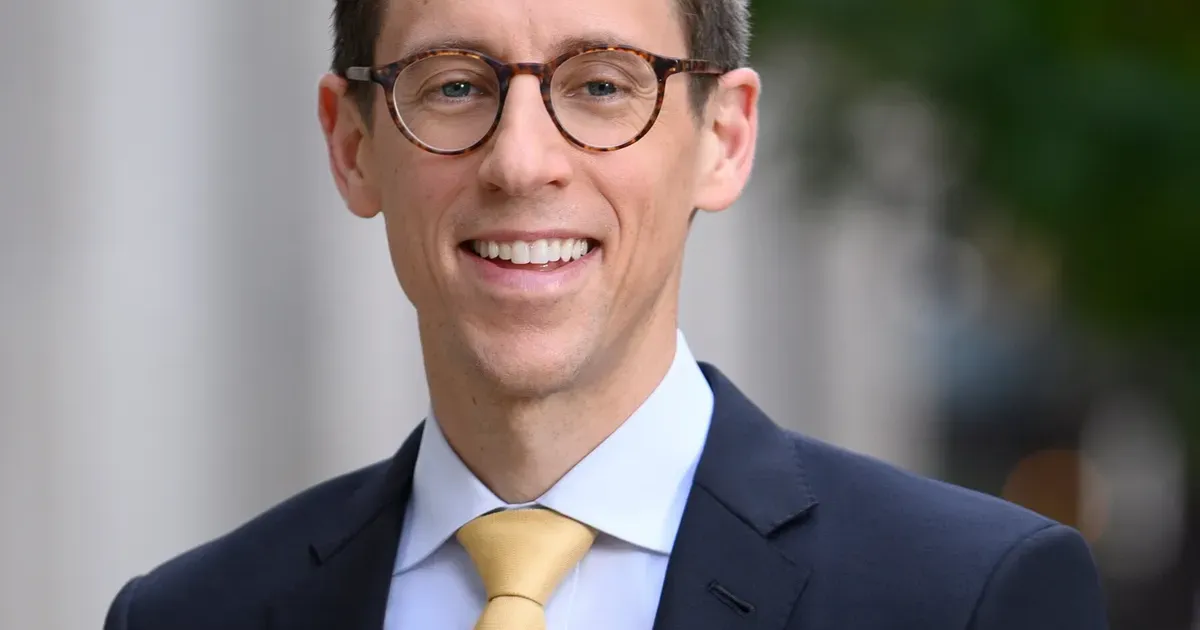
Politico is moving into another post-founder newsroom phase. The appointment puts management structure back at the center of its media strategy. Jonathan GreenbergerThe hire matters because newsroom leadership now carries product, politics and audience strategy together. received the appointment to lead the newsroom at Politico on March 30, 2026, marking a transition from the founding era of the publication. John Harris, a co-founder who has shaped the organization since its 2007 inception, will step back from daily editorial management. This appointment follows two years of leadership stability under German media giant Axel Springer, which purchased the outlet for $1 billion in 2021. Greenberger previously was the executive vice president of the company, bringing a background steeped in television news and digital strategy. John Harris remains one of the final original leaders to transition out of a primary operational role. He founded the outlet alongside Jim VandeHei after both journalists departed the Washington Post to build a faster, more aggressive political news cycle. VandeHei later left to launch Axios, while Harris continued to steer the editorial vision through multiple election cycles and international expansions. Management confirmed that Harris will move into a global editor-in-chief role, focusing on broader strategy rather than the minute-to-minute news file. Jonathan Greenberger spent the bulk of his career at ABC News before joining the digital outlet in 2024. During his tenure at the network, he was the Washington bureau chief and executive producer of the Sunday morning program This Week. Colleagues recognize him for a deep understanding of the intersection between legacy broadcast standards and the rapid-fire demands of online journalism. His elevation suggests a continued focus on professionalizing the newsroom operations as the company integrates further with European assets. Jonathan Greenberger Replaces Co-founder John Harris
Staff members learned of the change during an internal meeting at the Arlington headquarters. Harris addressed the newsroom, characterizing the move as a natural evolution for a brand that has matured beyond its startup roots. The departure of a founding editor often creates friction within media organizations, yet the internal promotion of an existing executive aims to minimize disruption. Greenberger has already spent serious time overseeing the business and editorial cooperation of the brand.
Journalists at the publication expect a renewed focus on multimedia integration under the new leadership. Greenberger oversaw several high-profile initiatives at ABC News that increased digital engagement without sacrificing the editorial weight of the Washington bureau. His experience managing large-scale news operations provide a blueprint for the outlet as it seeks to maintain dominance in a crowded Beltway market. The move comes as several competitors, including the Washington Post and the New York Times, aggressively expand their own political coverage units. Succession planning has been a priority for Axel Springer since the acquisition. The German conglomerate sought to protect the unique voice of the brand while installing a leadership structure capable of global scale. Harris provided the institutional memory necessary during the initial transition period after the sale. Now, the parent company appears ready to hand the reins to an editor whose career path mirrors the modern, cross-platform media executive model.
Axel Springer Influence on Politico Leadership
Axel Springer maintains a clear objective to turn the publication into the preeminent source of political intelligence worldwide. The parent company has already invested heavily in expanding the brand into European markets, specifically in Brussels and London. Leadership changes in the American newsroom frequently reflect the broader goals of the Berlin-based ownership group. Goli Sheikholeslami, the chief executive officer of the organization, has emphasized the need for a unified global strategy across all bureaus.
Jonathan Greenberger will manage a newsroom that has grown sharply in size and scope over the last five years. While the outlet gained its reputation for insider gossip and rapid-response reporting, it has recently pushed into more investigative and long-form projects. This diversification requires a steady hand at the top who can balance the demand for traffic with the prestige of high-impact journalism. Greenberger's history with Sunday morning news programs suggests he understands the value of setting the weekly agenda.
"The time has come for a new generation of leadership to take the helm of this newsroom and guide it through the next decade of political reporting," John Harris said during the announcement.
Financial performance remains a key metric for the success of the new editor. Unlike many digital media outlets that rely solely on advertising, this organization derives a heavy portion of its revenue from high-priced subscriptions for policy professionals. These specialized products, known as Pro, require a level of detailed detail and accuracy that exceeds standard news reporting. Greenberger must ensure the editorial team continues to provide the value that justifies these premium price points.
Jonathan Greenberger Transition and Editorial Strategy
Editorial transitions in Washington often coincide with shifts in the broader political environment. Greenberger takes over as the 2026 midterm elections approach, a period where political coverage drives the majority of the site's traffic. He faces the challenge of maintaining the outlet's non-partisan stance in an increasingly polarized media environment. Critics of the brand have often pointed to its obsession with the process of politics over policy outcomes, a critique Greenberger may seek to address. Management structures within the newsroom have also seen recent changes to support the new editor. Several senior editors have taken on expanded roles to oversee specific verticals, such as energy, technology, and healthcare. These leaders will report directly to Greenberger as he implements his vision for the coming years. The goal is to create a more streamlined reporting process that can compete with the specialized agencies that dominate trade journalism.
Internal memos indicate that Greenberger will also focus on the retention of top-tier talent. The publication has historically struggled with a high turnover rate as rival organizations poach its best reporters with lucrative contracts. By installing an editor with a background in traditional network news, the company may be signaling a more stable and supportive work environment. Talent acquisition costs have risen across the industry, making retention a financial necessity.
Digital Media Competition in Washington News
Washington news outlets face a unique set of pressures in 2026. Subscriptions for mainstream news have leveled off, forcing companies to find new ways to monetize their audiences. The organization faces stiff competition from Axios, which was founded by its own former staff, and Punchbowl News, which focuses on the legislative process. Greenberger must differentiate his product from these nimbler competitors while also fending off the resources of the New York Times.
Technology plays an outsized role in the current editorial strategy. Artificial intelligence and data visualization have become standard tools for political reporting, and Greenberger has indicated an interest in expanding these capabilities. The newsroom has already integrated several AI-driven research tools to help reporters track legislation and campaign finance filings. These investments are part of a broader effort to maintain a competitive edge in speed and accuracy. Revenue growth is the ultimate measure of the leadership shift. Axel Springer expects a return on its billion-dollar investment, and the editorial department is the primary engine of that return. If the publication can successfully bridge the gap between Beltway insiders and a broader national audience, it will secure its financial future. Greenberger is now the individual responsible for navigating that complex path.
The era of the founder-editor has officially ended in Arlington.
Newsroom Power Shift
Traditional journalism is currently suffering from a crisis of institutional fatigue that makes the elevation of Jonathan Greenberger a calculated, if uninspired, risk for Axel Springer. By choosing an executive who cuts his teeth at ABC News, the organization is effectively signaling the death of its original insurgent spirit. Politico was built on the premise of being the antidote to the slow, bureaucratic nature of legacy media, yet it has now hired a leader from the very heart of that establishment. This move is not about innovation; it is about institutionalization.
Axel Springer is clearly prioritizing corporate stability over the disruptive chaos that defined the John Harris years. The German owners are terrified of the volatility inherent in a newsroom led by its founders, who often prioritize their personal brand over the bottom line. Greenberger is a safe pair of hands, an executive who understands how to manage up as much as he understands how to lead down. He is the bureaucratic mortar intended to fill the cracks left by the departure of the founding fathers.
Expect the newsroom to become more polished, more predictable, and ultimately, less interesting. The edge that made the publication a must-read for every lobbyist and lawmaker is being sanded down in favor of a global corporate identity that can be easily replicated in Brussels or Berlin. It is the inevitable fate of every successful media startup: it either dies a hero or lives long enough to become the Washington Post. Greenberger is the man tasked with managing the middle age of a former radical. It is a promotion for him, but a surrender for the brand.
"