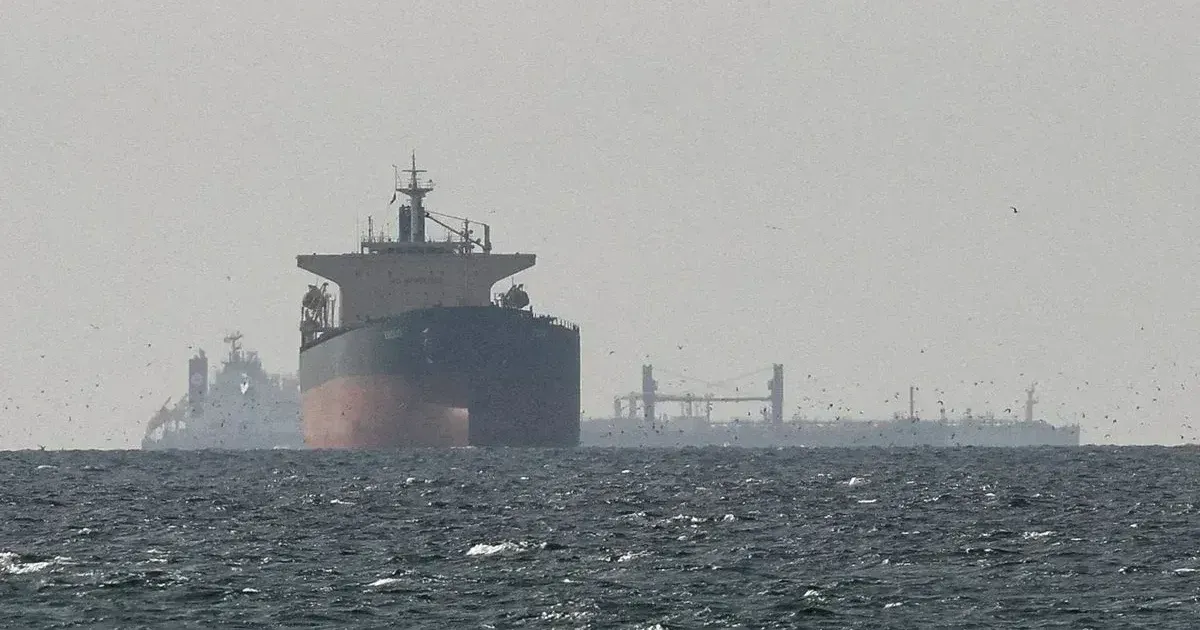
Iran detained three commercial vessels in the Strait of Hormuz, sharply raising the risk attached to the world's most important oil transit route. The maritime risk is the core issue for energy traders. The move sent energy markets higher and undercut public claims that diplomacy was calming the standoff.
The detentions were reported on March 27, 2026, as Brent crude moved above $110 and shipping firms reassessed Gulf transit. The incident connects directly to earlier concern over Iran's stance on ceasefire talks and the broader energy shock moving through markets.
Ship Detentions Raise Maritime Risk
The Strait of Hormuz is narrow enough that a small number of military actions can create a large market reaction. Even if some ships continue moving, insurers, captains, and cargo owners may decide the route is too risky without escorts. That caution alone can tighten supply and raise freight costs.
The reported targeting of vessels linked to US allies makes the pressure more political. Tehran can use ship detentions to raise the cost for Europe and Asia, not only for Washington. Ongoing regional instability has already pushed global oil prices higher.
Oil Shock Feeds Stagflation Concern
Oil above $110 acts like a tax on consumers and businesses. It raises transport, plastics, fertilizer, and manufacturing costs while reducing money available for other spending. That is why economists are warning about stagflation rather than ordinary inflation alone.
Central banks face a difficult tradeoff if energy prices stay high. Raising rates can fight inflation but may worsen slowing growth. Cutting rates can support demand but risks allowing fuel-driven inflation to spread.
Diplomacy Loses Credibility
The detentions contradicted optimistic US language about talks. When public statements suggest progress but ships are being held, markets and allies judge the physical facts more than the rhetoric.
The next step depends on whether the vessels are released quickly, whether third-party mediators can create a channel, and whether the United States decides to use military escorts. Each option carries risk, especially if one side misreads the other's red line.
The crew dimension also raises diplomatic stakes. Ship seizures are not only about cargo; they involve citizens, companies, insurers, and flag states. Each detained crew member creates pressure on a government to respond, which can narrow the room for quiet negotiation. For energy markets, duration matters more than the opening shock. A brief detention can be priced as crisis theater. A prolonged hold changes shipping behavior, keeps tankers outside the route, and forces refiners to bid for replacement barrels. The comparison with the 1970s is useful but imperfect.
Today's economy is less oil-intensive, yet supply chains are more globally synchronized. A disruption can therefore move through freight, chemicals, food, aviation, and currencies faster than older models might suggest. Allied coordination will now be tested. European, Japanese, and South Korean interests reportedly touch the detained vessels, which means Washington is not the only capital under pressure. A fragmented response would strengthen Tehran's leverage, while an overly aggressive response could accelerate military escalation. For companies, the incident changes risk calculations immediately.
Charterers may demand different routes, insurers may rewrite exclusions, and refiners may seek replacement cargoes. Those private decisions can move faster than diplomacy and keep prices elevated even if officials urge calm. The Hormuz detentions also change the psychology of shipping. Once crews and cargoes are seized, risk managers stop treating the route as merely volatile and start treating it as actively hostile. That distinction affects insurance, chartering, and refinery procurement.
Even if only three ships are involved, the market response can be much larger because every operator must ask whether their vessel could be next. That is how a discrete maritime incident becomes a global price event. The legal channel is just as important as the military one. Flag states, insurers, shipowners, and cargo holders will all press for documentation of where the vessels were taken, who controls the crews, and what conditions are attached to release.
Maritime ambiguity can be used as leverage, but it also raises the chance of miscalculation if a naval escort, a commercial captain, or an armed unit interprets instructions differently. The incident joins shipping law, oil markets, alliance politics, and battlefield signaling in one narrow waterway. Naval escorts may sound like a clean answer, but they can also create close-contact moments between armed forces in crowded waters. Commercial ships do not move like warships, and mixed ownership of crews, cargo, flags, and insurers complicates responsibility. If one vessel refuses instructions or one patrol boat misreads a maneuver, a detention can become an exchange of fire. That operational risk is why the crisis cannot be reduced to a price-market update. The economic effect is already large, but the strategic danger sits in the narrow space between deterrence and accident. Energy importers will also read the detentions through storage levels and replacement options. A refinery that can swap cargoes quickly has one risk profile; a buyer locked into narrow delivery windows has another. Diplomats therefore have to solve both the public crisis and the private logistics fear that keeps markets tense after headlines cool. The diplomatic path will be judged by releases, not statements. If the ships and crews remain held, claims of progress will sound hollow. If they are released under mediated terms, markets may begin to price a lower risk premium. The detentions changed the crisis from a threat scenario into a concrete shipping event. Until vessels move safely and talks produce visible results, Hormuz risk will remain embedded in oil prices and global inflation expectations.