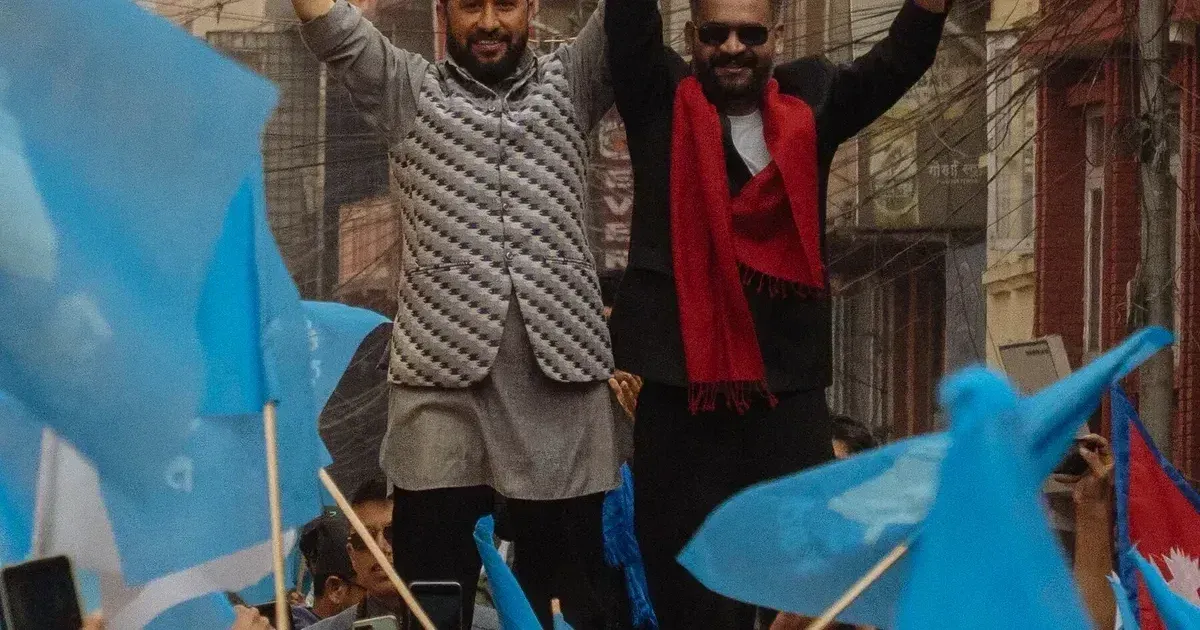
Balendra Shah took office as Nepal's youngest prime minister with a mandate built on youth turnout, anti-corruption anger, and frustration with entrenched parties. The transition question is now bigger than one mayoral biography. His rise is a major political break, but the governing test begins immediately.
The March 27, 2026 ceremony in Kathmandu turned a cultural outsider into the head of government. Shah's appeal came from direct communication, urban support, and a promise to challenge systems many voters see as stagnant or corrupt. That promise now has to survive contact with ministries, courts, and coalition realities.
The importance is not only the historic oath. It is the gap between outsider energy and state capacity, especially with a leaked report on previous violence already demanding action.
Youth Vote Delivers a Mandate
Shah's support among younger and urban voters reshaped the electoral map. Many supporters backed him less as a conventional party leader and more as a vehicle for anger at corruption, poor services, and limited opportunity. That gives him political capital, but it also creates high expectations. Voters who supported a rupture with the old order may not be patient with slow institutional reform.
Accountability Test Arrives Early
A leaked report on violence and arson from the previous year creates an immediate challenge. Families of victims and civil society groups want transparency, while officials connected to older power networks may resist full disclosure. If Shah moves too slowly, he risks disappointing the voters who elected him. If he moves too aggressively, he could trigger backlash from security institutions and political actors that still hold influence inside the state.
Reform Runs Through Weak Institutions
Anti-corruption commissions, digital procurement, and public-service reform can help, but they require legal authority and administrative cooperation. Nepal's courts and ministries have their own delays, loyalties, and limits. The economic backdrop adds pressure. Youth migration, reliance on remittances, and uneven tourism recovery mean Shah must produce visible progress without pretending that corruption reform alone can fix every structural problem.
Shah's communications style will also face a new test. Social media helped him bypass legacy parties, but governing requires slower explanations, compromise, and unpopular sequencing. The same directness that made him feel authentic can create diplomatic or institutional friction if not managed carefully. Foreign policy may arrive faster than he wants. Nepal's position between India and China means infrastructure, trade, and security choices are rarely domestic only. A reformist prime minister still has to reassure neighbors that political change will not produce strategic instability. The leaked report could define his first months because accountability is central to his brand. If he buries it, supporters may see betrayal.
If he pursues it recklessly, opponents may accuse him of revenge. The narrow path is a credible, transparent process that survives legal scrutiny. Economic delivery will be the other early measure. If Shah can make procurement more transparent, speed up basic services, and show visible discipline around public money, he can buy time for deeper reforms. If daily life does not improve, the symbolic power of his election will fade quickly. His opponents understand that timeline. Established parties may not need to defeat him immediately; they only need to make governing look chaotic. That is why administrative competence may matter as much as ideological courage in his first year.
Shah's biggest risk is that supporters confuse speed with seriousness. Anti-corruption work often requires patient documentation, procurement reform, court-ready evidence, and institutional protection for investigators. A dramatic arrest can create headlines, but durable reform requires systems that survive after the first wave of enthusiasm fades. If Shah can combine symbolic breaks with careful administrative design, he has a chance to make the outsider mandate last. If not, the old parties will wait for public frustration to return. Nepal's bureaucracy will be the first real test. A reform-minded prime minister can set priorities, but ministries, courts, procurement offices, and local governments determine whether promises become visible service changes.
That makes personnel choices more important than launch speeches. Shah also has to manage expectations among supporters who backed him as a break from the old political class. Anti-corruption promises can win a mandate, but governing requires budgets, coalition management, and civil-service discipline. The danger is that every compromise looks like betrayal. His first months therefore need visible wins that are small enough to deliver and meaningful enough to prove the new administration can function. The first hundred days will show whether Shah can turn symbolic authority into working authority. That means appointing competent ministers, protecting investigations from interference, and choosing reforms that citizens can actually feel in public services. Visible competence will matter because enthusiasm can fade quickly when basic services remain slow.
Shah's oath is historic, but the harder question is whether he can become an effective institutional reformer. Outsider politics brought him to power; governing Nepal will require patience, discipline, and alliances that do not erase the mandate that made him different.