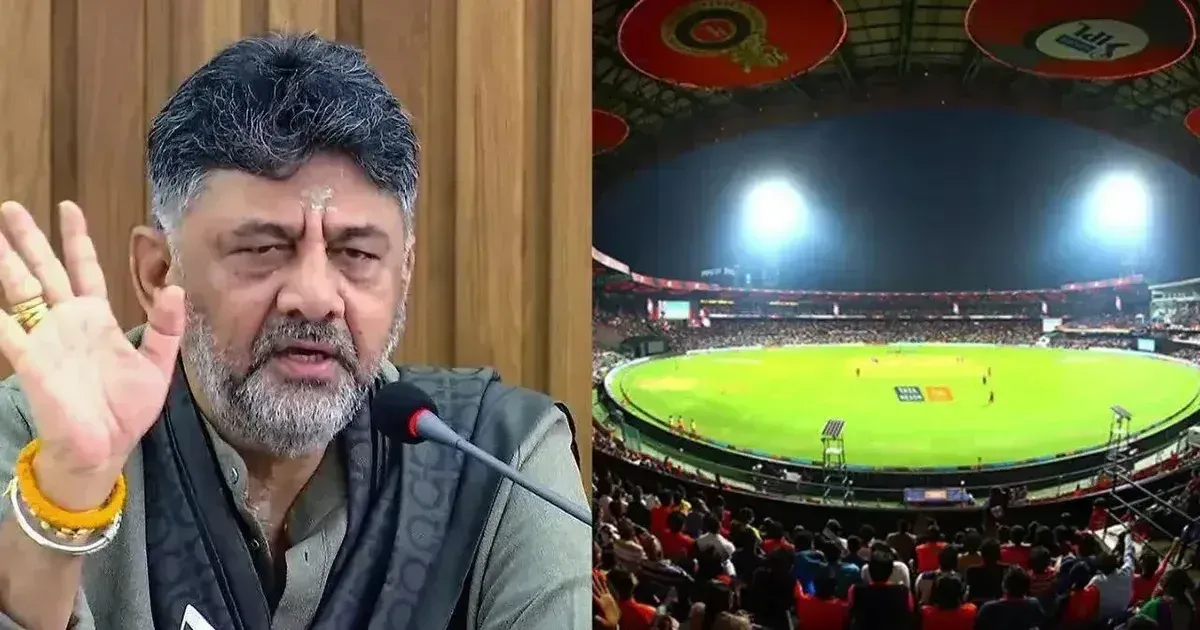
The 2026 Indian Premier League season opens with a mix of cricket strategy, commercial pressure, and political friction. The opening week also exposed how quickly cricket logistics become political. Rajasthan Royals' decision to name Riyan Parag captain gives the tournament an immediate leadership storyline, while debate over VIP tickets in Karnataka shows how difficult it is to separate the IPL from local power networks.
The developments were set out on March 27, 2026, as franchises finalized plans and analysts turned toward early awards predictions. Jasprit Bumrah and Varun Chakravarthy are already prominent names in the Purple Cap discussion, giving the season a pace-versus-spin subplot before the first full rhythm of matches is established.
The opening mix is broader than match preview alone: leadership, bowling form and ticket access all shape how the first week is being read.
Rajasthan Turns to Riyan Parag
Parag's appointment signals a generational shift for Rajasthan Royals. Sanju Samson remains an important figure, but the captaincy move suggests the franchise wants a more aggressive voice connected to its younger core. The risk is clear. IPL captaincy brings tactical pressure, media pressure, and ownership pressure at once. Parag's first task is to turn the leadership change into clarity rather than dressing-room uncertainty.
Purple Cap Race Starts Early
Bumrah remains the most reliable pace-bowling reference point in the league because he can change games at the death without needing helpful conditions. Chakravarthy offers a different problem through spin variation and middle-over control. The race will depend on fitness, venue conditions, and whether teams give their strike bowlers enough scoreboard pressure to attack. Early predictions are useful, but the IPL often rewards bowlers who adapt faster than batters across changing pitches.
Ticket Access Tests IPL Governance
The Karnataka VIP ticket controversy matters because the IPL is now too large to treat access as a private favor economy. Fans are already frustrated by high prices and opaque allocation, so political demands for preferred seating land badly. A league valued in the billions has to behave like a global competition in its ticketing standards. That means clearer allocation rules, better anti-scalping systems, and fewer informal privileges for people with political influence.
Parag's captaincy also changes how Rajasthan's season will be narrated. Every tactical choice will be read through the lens of generational change, from batting order decisions to field placements under pressure. That can be unfair, but IPL leadership is always judged in public and at speed. The ticket dispute is more than a local embarrassment because the IPL sells itself as a polished global product. Fans who cannot access fair prices or transparent allocation will eventually resent the VIP culture around the league. That resentment matters in a competition built on emotional loyalty. For the league office, the best answer is process.
Clear quotas, public sale windows, anti-bot controls, and limited discretionary allocations would reduce the appearance that influence matters more than fandom. The Purple Cap race also affects team identity. A side with a reliable wicket-taker can defend smaller totals and take more risks with batting structure. That is why early bowling form often shapes the table before batting stars settle into the season. Rajasthan's leadership shift and Karnataka's ticket fight may seem separate, but both are about trust. Players need trust in the new hierarchy, and fans need trust that the league's success is not being captured by insiders. The IPL has enough demand; its challenge is fairness.
The IPL's scale makes small governance disputes look larger because the league now presents itself as a global sports property. A local ticket fight might once have been dismissed as routine politics, but in a league with huge media rights and international investors, it becomes a brand issue. Fans need to believe that access is not decided entirely by power, sponsorship, or insider relationships. Without that trust, commercial growth can start to look detached from the people who built the atmosphere. Opening-week narratives matter because the IPL compresses sport, celebrity, and commerce into one calendar.
A captaincy choice can become a leadership referendum, and a ticket dispute can become a fairness debate before a single table position feels settled. For Rajasthan, Parag's appointment is not only a cricketing call. It asks supporters to trust a younger voice in a league where reputation and star power can dominate decision-making. Early results will shape that trust quickly. If the team starts well, the move will look bold. If it struggles, every tactical decision will be read through the risk of changing leadership too soon. The season will quickly move from boardroom stories to results, but these opening themes will not disappear. A young captain, elite bowlers, and ticket fairness all affect how supporters judge the league's direction before the table has time to settle.
The IPL's appeal remains enormous, but growth brings scrutiny. The 2026 season will be judged by cricketing quality, yet the ticket dispute is a reminder that credibility off the field is now part of the product.