The pause in American strikes on Iran gives shipping companies a possible route back through the Strait of Hormuz, but the commercial test is practical. Tankers need safe passage, mine-clearance confidence, insurance coverage and predictable military rules before normal traffic can resume. Donald Trump announced the two-week suspension on April 8, 2026, after Tehran submitted a 10-point proposal. Oil prices eased on the news, yet shipowners and insurers still need proof that the waterway is not about to close again.
Iran Agrees to Reopen Strait of Hormuz
Reopening the world's most essential energy artery was the primary condition for the American stand-down. Tehran had previously blocked the strait in response to tightened economic sanctions, effectively trapping millions of barrels of oil inside the Gulf. Because of this blockade, global supply chains for liquefied natural gas faced severe disruption. Reopening the waterway requires the removal of naval mines and the cessation of Iranian drone harassment of commercial vessels. Ports in the United Arab Emirates and Saudi Arabia are preparing for a surge in delayed cargo arrivals.
Naval commanders from the U.S. Fifth Fleet remain on high alert despite the diplomatic shift. They must ensure that the withdrawal of Iranian forces is genuine and not a tactical repositioning. Earlier reports from Al Jazeera highlighted that the suspension is entirely dependent on the safe and unhindered passage of all international vessels. Verification teams are currently monitoring the movement of Iranian submarines near Bandar Abbas. Any deviation from the agreed-upon transit protocols could trigger an immediate resumption of U.S. hostilities.
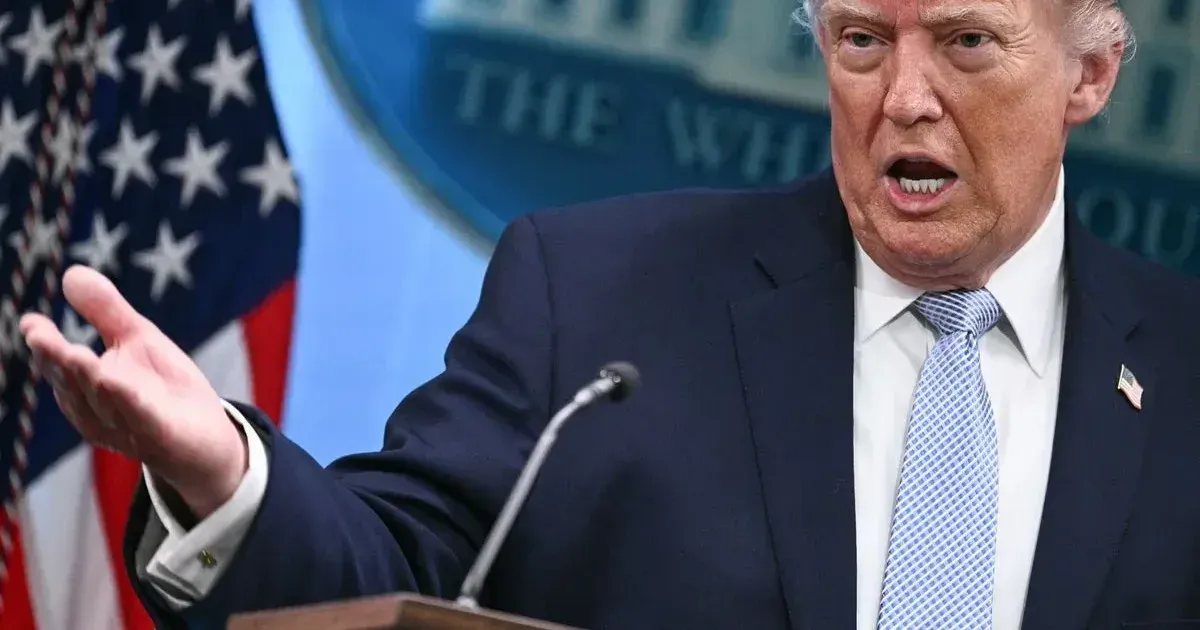
President Trump says the pause in bombings and attacks will last two weeks subject to Iran opening the Strait of Hormuz.
White House Details Ten-Point Proposal
The specific contents of the 10-point proposal have become the subject of intense scrutiny in Washington and European capitals. While the full text is classified, leaked details suggest it includes a freeze on uranium enrichment at the 60 percent level. Iran also reportedly offered to allow international inspectors back into several previously closed military sites. DW News confirmed that the proposal reached the White House through Swiss intermediaries on Tuesday night. This diplomatic channel had been the primary link between the two adversaries during the recent escalation.
Critics in Congress argue that the two-week window is too short to verify complex nuclear concessions. They worry that Tehran is seeking only a reprieve to reorganize its defenses and circumvent the primary impact of the blockade. Senate Foreign Relations Committee members have requested a formal hearing to examine the risks of the temporary truce. Defense Secretary Lloyd Austin told reporters that the military retains all options to protect regional partners. He emphasized that the pause is a tactical decision rather than a broad change in strategic goals.
Global Markets React to Persian Gulf Ceasefire
Asian economies, which rely heavily on Persian Gulf oil, saw their stock indices rise sharply on the news. Japan and South Korea had been facing severe energy shortages due to the three-week blockade of the strait. Manufacturing costs in the region had begun to spiral, threatening global inflation targets. The temporary ceasefire provides a needed cooling period for these overheated markets. Regional leaders in Tokyo and Seoul have urged both sides to convert the two-week pause into a lasting peace treaty.
European Union diplomats have also welcomed the de-escalation while maintaining a cautious stance on the long-term prospects. They have spent months attempting to mediate between the Trump administration and the Iranian leadership. France and Germany have offered to host formal negotiations if the ceasefire holds through the end of the month. British officials, however, have expressed concerns about the lack of specific enforcement mechanisms in the current agreement. The Royal Navy continues to provide escorts for British-flagged tankers in the Gulf of Oman.
Pentagon officials have already drafted target lists for Iranian coastal defense batteries and command centers. These plans remain ready for execution if the two-week ceasefire expires without further progress. Analysts at the Center for Strategic and International Studies note that the U.S. has maintained a three-carrier strike group presence in the Arabian Sea. Logistics ships continue to ferry munitions to regional bases in Qatar and Bahrain. Surveillance drones maintain 24-hour coverage of the Iranian coastline to detect any signs of mobilization.
Tehran has played its hand, and now Washington holds the stopwatch. Maritime trade organizations report that more than 200 tankers are currently waiting to transit the strait. Clearing this backlog will take at least 10 days of uninterrupted traffic flow. Because of the density of the shipping lanes, the risk of accidental collisions or miscalculations remains high. Tugboats and salvage crews are being mobilized to assist vessels that have been idling in the heat for weeks. The first group of tankers is expected to enter the strait under U.S. Navy protection the next morning.
Shipping Needs Proof, Not Just a Pause
The ceasefire can calm markets for a day, but shipping needs a pattern of safety. A corridor that opens for headlines and closes under pressure will not restore confidence. That is the central weakness of a two-week arrangement. It buys time, but it also forces every participant to prove quickly that the pause is more than a tactical delay.