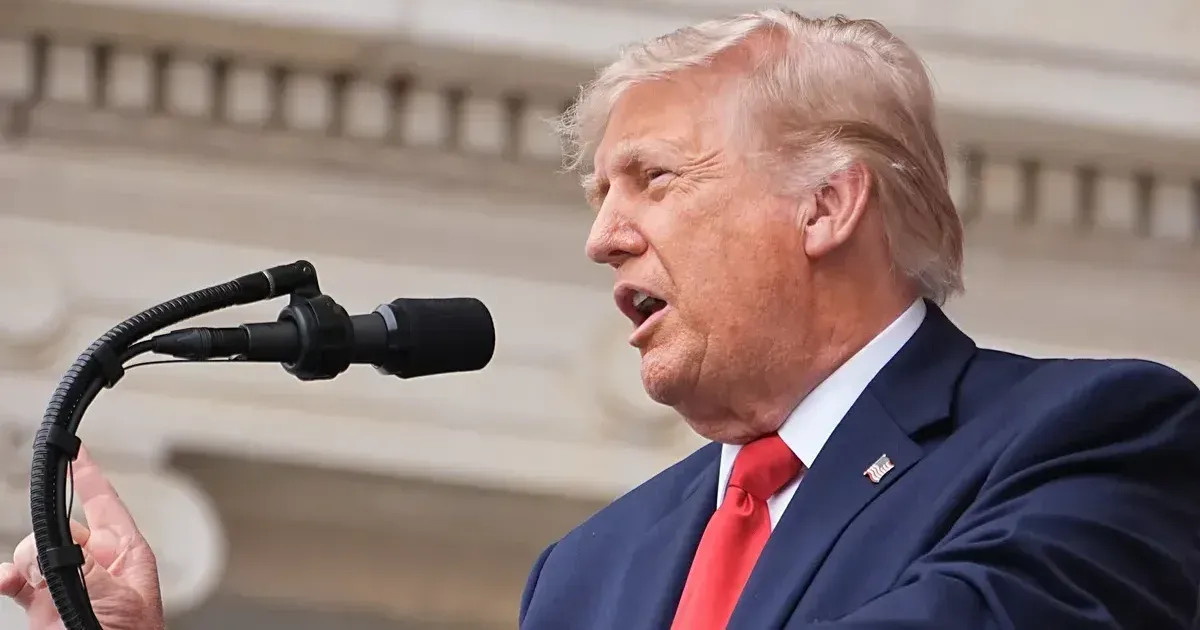
Trump proposed expanding regional normalization efforts to include additional Middle Eastern nations as a core component of a new diplomatic agreement with Iran. The proposal puts normalization, deterrence and nuclear diplomacy inside the same political bargain. That makes the plan more ambitious than a narrow ceasefire announcement. This policy shift, announced on May 25, 2026, seeks to link the framework of the Abraham Accords directly to the resolution of enduring tensions with Tehran. Administration officials indicated that the proposal aims to create a unified security and economic front across the region.
Analysts characterized the move as an attempt to use the success of the 2020 normalization agreements to pressure the Iranian government into broader concessions. By bringing more Arab nations into formal ties with Israel, the administration hopes to isolate Iranian influence and reduce the leverage of regional proxy groups. Existing signatories such as the United Arab Emirates and Bahrain have already integrated their security protocols with Israeli systems to counter shared threats. Success depends on the participation of major regional powers that have previously resisted formal recognition of the Israeli state.
Expanding the Abraham Accords Framework
Proponents of the plan suggest that expanding the list of participating nations would provide the necessary leverage to finalize a durable peace treaty. Countries like Oman and Qatar have often served as intermediaries in previous negotiations, yet they have not formally joined the 2020 framework. The State Department has intensified outreach to these capitals to gauge their willingness to formalize relations through a series of bilateral incentives. Officials have pointed to the 2020 signing ceremony as the precedent for this current initiative.
Security cooperation acts as the primary driver for these discussions. Shared concerns regarding Iranian ballistic missile programs and maritime interference in the Persian Gulf have pushed once-distant neighbors toward alignment. Donald Trump has argued that a durable deal must address these security vulnerabilities through a collective regional effort. Such a system would include integrated air defense systems and joint intelligence sharing protocols designed to counter asymmetrical threats. Negotiators still face major hurdles regarding the specific demands of potential new members.
Saudi Arabia continues to be the most critical target for this diplomatic push. Riyadh has historically linked normalization to the establishment of a Palestinian state, a condition that persists despite increased back-channel cooperation with Israeli officials. Formalizing this relationship would fundamentally alter the balance of power in the region and likely isolate Iranian hardliners.
Regional Barriers and Tehran Interests
Tehran's response to the proposal has been dismissive, with state media calling the attempt a strategy of containment. Iranian officials have long viewed the Abraham Accords as a threat to their regional standing and security networks. Linking these accords to a peace deal may complicate negotiations if Iran perceives the move as an infringement on its sovereignty.
Domestic pressure within Arab nations also plays a role in the feasibility of the expansion. While governments may see the strategic value in aligning with Israel, public sentiment often stays focused on the unresolved status of the Palestinian conflict. A sudden shift in formal policy could trigger internal instability in some Gulf monarchies where public support for normalization is low.
Recent data from regional polling suggests that younger populations are more open to economic cooperation but wary of full diplomatic embrace.
"We are asking our partners to take a bold step toward a unified region as the only path to a stable agreement with Tehran," an administration official stated during the policy briefing.
Experts at several Washington think tanks, however, expressed skepticism regarding the timeline for such an ambitious integration. They argue that the complexity of an Iran peace deal is already immense, and adding the requirement of regional normalization could stall progress. Previous attempts to reach a full grand bargain in the Middle East have often failed due to these overlapping interests. Analysts note that Tehran's willingness to make concessions is often inversely proportional to the strength of an anti-Iranian coalition.
Economic incentives are being used to encourage hesitant nations to join the framework. Administration officials have discussed potential trade corridors and technology transfer agreements that would follow a successful expansion of the accords. These benefits are intended to outweigh the political risks associated with breaking decades of diplomatic precedent regarding the recognition of Israel.
Accords Expansion Could Collapse the Iran Deal Before Talks Begin
Strategically, the proposal attempts to rewrite the rules of Middle Eastern diplomacy by moving away from bilateral agreements toward a regional bloc. This approach assumes that the Iranian leadership is sufficiently pressured by economic sanctions to accept a deal that includes their primary regional rivals. If Saudi Arabia or other key actors refuse the invitation, the entire framework for the peace deal could collapse before formal talks begin.
Potential failure carries the risk of further polarizing the region into two distinct and hostile camps. By contrast, a successful integration would create an unmatched security architecture stretching from the Mediterranean to the Gulf. U.S. diplomats are scheduled to meet with Saudi officials in Riyadh next month to discuss the proposal.