Federal agents disrupted a conspiracy to target a high-profile sports event on the South Lawn using weaponized aerial technology. The operation immediately widened the security debate around private drones, temporary flight restrictions and major public events. Investigators also had to separate online boasting from operational planning before describing the arrests publicly. Kash Patel, the director of the FBI, confirmed the intervention through a public disclosure on the social media platform X. Law enforcement moved to secure the area on June 14, 2026, after intelligence indicated an imminent threat to the UFC Freedom 250 gathering hosted at the executive mansion. Investigative teams coordinated with multiple agencies to neutralize the risk before any flight operations started near the restricted airspace of the capital.
Authorities took five individuals into custody in connection with the alleged plot. These suspects reportedly intended to deploy explosive drones against the crowd and participants during the Sunday afternoon event. Preliminary reports from bureau sources suggest the group had acquired hardware capable of carrying small-scale payloads designed for precision strikes. Detection systems monitoring the perimeter of the White House identified the potential breach early in the planning phase, allowing tactical teams to execute arrests at a remote staging site. Each suspect remains in federal holding while prosecutors prepare formal charges related to attempted terrorism and the use of prohibited weaponry.
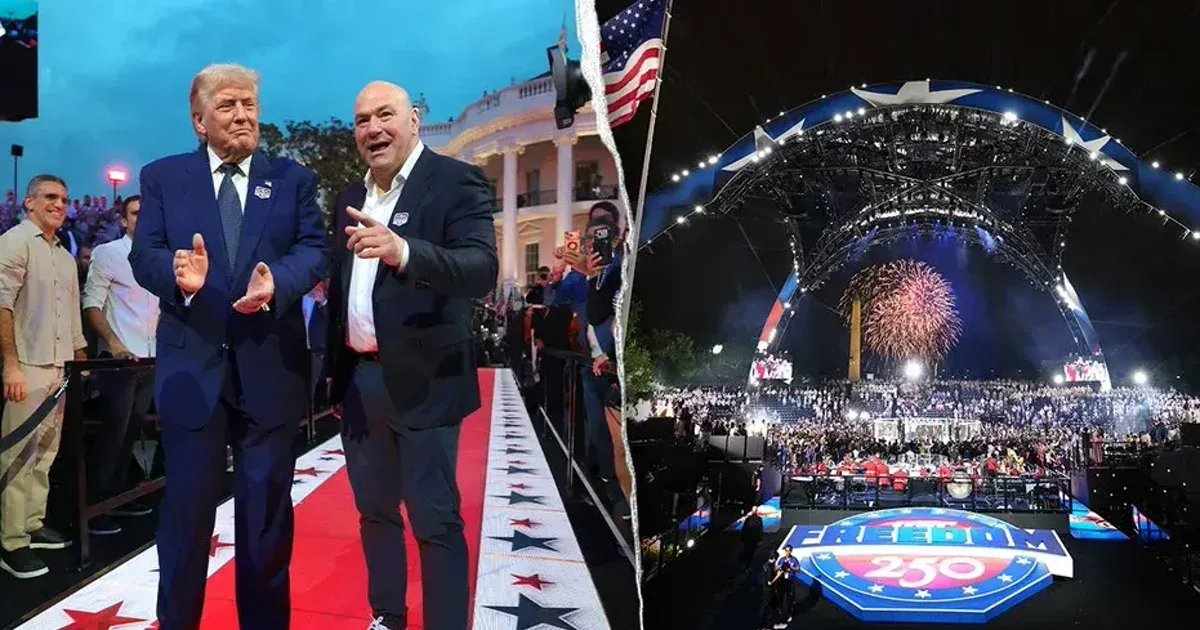
UFC Freedom 250 was a centerpiece for a series of political and cultural engagements held on the South Lawn. High-profile figures, including Dana White and former executive officials, were present for the mixed martial arts exhibition. Security protocols for the event involved a multi-layered defense strategy featuring the Secret Service and specialized counter-drone units. Despite the underlying threat, the exhibition proceeded without physical injury to the attendees or the athletes. Evidence collected during the initial arrests includes several modified remote-controlled aircraft and detonation components.
The FBI foiled an alleged plot to attack Sunday’s UFC fight at the White House, according to a statement released by Director Kash Patel.
Patel clarified that the bureau maintains a high state of vigilance regarding domestic threats and non-traditional combat methods. Modern surveillance equipment used by the FBI played a central role in tracking the communication channels used by the five suspects. Technical analysts are currently extracting data from the seized hardware to determine if the group received external funding or guidance from international entities. Every piece of recovered equipment is undergoing forensic examination at a laboratory in Virginia to identify the source of the explosive materials. Security experts noted that the selection of the White House as a target required a sophisticated level of coordination rarely seen in amateur drone hobbyist circles.
Surveillance of the suspects began several weeks before the scheduled event. Investigators monitored the acquisition of specialized components through online marketplaces and private vendors. Coordination between the FBI and local law enforcement in the District of Columbia ensured that the arrest operation did not alert other potential co-conspirators. The proximity of the South Lawn to public areas makes it a challenging zone for complete aerial security. Officials stated that the successful disruption of the plot proves the efficacy of the current administrative focus on rapid-response counter-terrorism units. No evidence currently links the five detainees to a specific known extremist organization.
Tactical Response and Aerial Security Measures
Defense teams used electronic jamming technology to create a secondary barrier around the executive mansion. These systems are designed to sever the link between a remote operator and a drone, forcing the aircraft to land or return to its point of origin. Intelligence officials believe the suspects planned to bypass these measures by using pre-programmed flight paths based on GPS coordinates. This tactic attempts to eliminate the need for a live radio frequency connection, making traditional jamming less effective. Special agents recovered several controllers that appeared to have been modified for extended range and encrypted signaling.
Personnel from the FBI National Security Branch assisted in the final sweep of the staging locations used by the group. These sites were located within a five-mile radius of the White House, providing the suspects with a short flight window to reach their target. Physical evidence found at the scene included maps of the South Lawn and specific seating charts for the UFC event. The presence of these documents suggests a calculated effort to maximize the impact of the intended attack. Forensic teams are searching for fingerprints and DNA on the recovered maps to verify the roles of each individual in custody.
Patel emphasized that the protection of public events remains a primary objective for the bureau. Rapid deployment of investigative resources allowed the FBI to act within hours of the threat reaching a critical threshold. The arrests did not lead to a broader lockdown of the downtown area, as the suspects were apprehended in a controlled environment. Law enforcement continues to monitor aviation frequencies for any lingering activity related to the thwarted mission. Records of the incident have been shared with the Department of Homeland Security to update national threat assessments for future outdoor public gatherings.
Drone Threats Raise Security Costs
A security apparatus must now defend against threats that can be purchased for less than the cost of a high-end laptop. The disruption of the White House drone plot highlights the persistent vulnerability of open-air institutional events to low-cost, high-tech weaponry. While heavy barricades and armed checkpoints protect the perimeter from ground-based incursions, the vertical dimension remains a porous frontier for motivated actors. This specific incident demonstrates that the barrier to entry for domestic terrorism has shifted from complex logistical networks to the procurement of off-the-shelf consumer technology modified for lethal use.
The administrative response under the current FBI leadership focuses heavily on preemptive intelligence and the monitoring of digital procurement trails. By intercepting the suspects during the assembly phase, the bureau avoided a kinetic engagement in a densely populated urban center. The strategy relies on the continuous surveillance of dual-use technology markets, which presents a long-term challenge for civil liberties and privacy oversight. If small-scale drones are the new standard for asymmetric threats, the cost of securing public spaces will inevitably rise as cities demand the same jamming and detection capabilities currently reserved for the executive mansion. The incident shows that access to low-cost technology has outpaced traditional static defenses.