President Donald Trump delayed a planned strike against Iran's power grid while turning part of the day toward a domestic media fight. Oil prices eased after the delay, but the administration did not withdraw the threat. Officials left the strike option in place while describing the extra time as a diplomatic window. The White House announced the 72-hour pause on March 27, 2026, after days of signals that a missile or cyber operation could be near.
The announcement gave energy traders a short break from the fear of immediate escalation. Brent crude fell more than 2%, and West Texas Intermediate moved in the same direction. The change did not remove the regional risk, because Iranian officials had already warned that pressure on energy infrastructure could be met with action around the Strait of Hormuz. Shipping insurance and tanker routing remained sensitive to any sign that the pause could end quickly.
For refiners, airlines and shipping firms, the distinction between a pause and a cancellation mattered. Contracts still had to price the chance that the same target package could return to the president's desk within days. That made the delay useful for market psychology, but not enough to erase the war premium already built into fuel costs.
Why the Delay Moved Oil Markets
The planned target was described as part of Iran's power-grid infrastructure, a category that can affect military communications and civilian life at the same time. That dual-use character is why the delay mattered. A strike that Washington presents as limited could still raise questions about civilian disruption, retaliation and the legal basis for escalation.
Officials familiar with the debate framed the pause as a way to test whether Tehran would shift its position before the White House made a final decision. Regional partners also had reason to press for caution. A conflict that disrupts Gulf shipping can move fuel prices, manufacturing costs and consumer inflation far beyond the immediate battlefield. That market reaction explains why the delay was read as both a military decision and an economic signal.
The earlier debate over Trump delaying Iran energy strikes showed the same pattern: even a temporary pause can calm markets, but it does not settle the underlying conflict. If the diplomatic window closes without a change from Tehran, the administration could return to the same operational choice with higher political stakes.
Kimmel Feud Complicates the Message
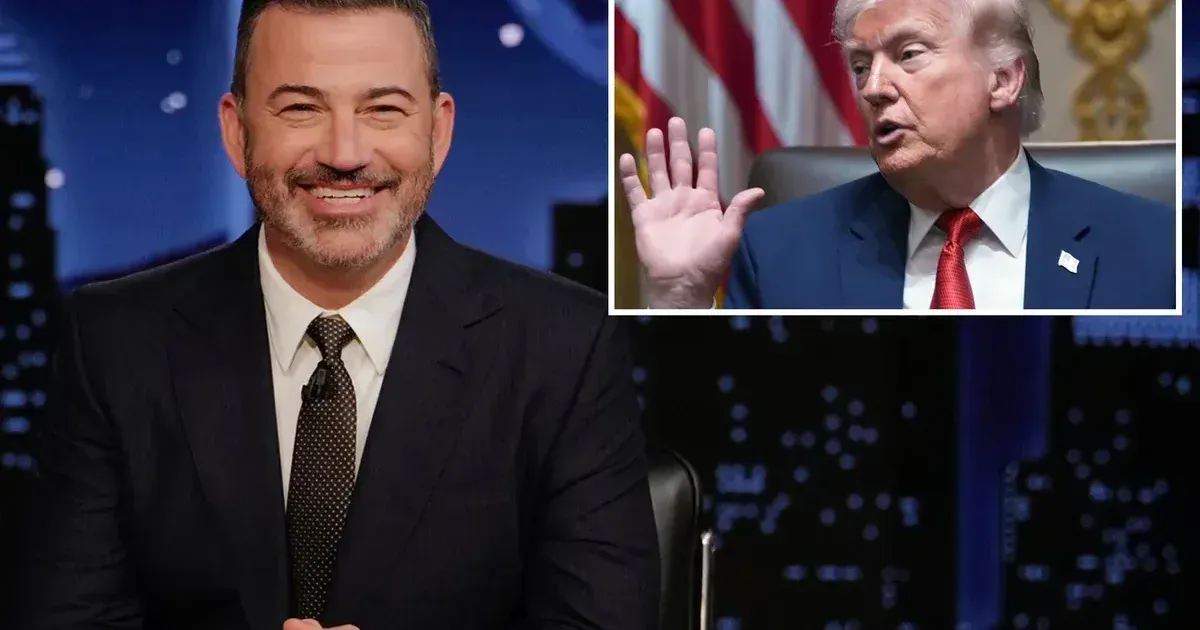
The foreign-policy pause landed alongside a separate fight over late-night television. Trump called into Fox News to defend DHS Secretary Markwayne Mullin after Jimmy Kimmel mocked the official's fitness for the role. Trump said Kimmel should lose his job, turning a comedy segment into another flash point between the White House and broadcast media.
"He should be canned," Trump said during the Fox News appearance.
The timing gave critics an easy contrast. While the Gulf remained tense, the president was also litigating a television monologue. Supporters saw the call as a defense of an administration official under partisan attack. Opponents saw it as evidence that media grievance was competing with the discipline required during a potential military crisis.
The Kimmel dispute also connected to a broader pressure campaign against entertainment and news outlets. Later coverage of Trump and Melania urging ABC to fire Jimmy Kimmel showed how quickly the feud became part of the administration's media politics. In that setting, the Iran delay and the television fight reinforced the same question: where does the White House put its attention when security risks and domestic narratives collide?
Political Stakes
The administration can argue that delaying a strike is a sign of restraint. It can also argue that public defense of Mullin is a normal response to hostile media coverage. The difficulty is that both moves unfolded at once, making it harder for the White House to present a clean strategic message. Allies, oil traders and members of Congress were watching for evidence that the Iran decision was being driven by security judgment rather than cable-news pressure.
There is also a governance problem. A president can use media appearances to defend aides, but national security decisions are judged by process, timing and discipline. When a military delay shares the same news cycle as a demand to punish a comedian, the administration risks making the policy look reactive even if the underlying security debate is real.
Congressional oversight would likely focus on the same split-screen problem. Lawmakers can accept a short operational delay more easily than an open-ended threat with unclear criteria for use. If the administration returns to the strike option, it will need to explain what changed during the 72-hour pause, why the target remains necessary and how civilian infrastructure risks would be limited.
For now, the strike delay reduced immediate market stress without ending the confrontation. The Kimmel fight raised the political temperature without changing the operational facts in the Gulf. The harder question is whether Washington can separate military timing from cable-news conflict and domestic performance.