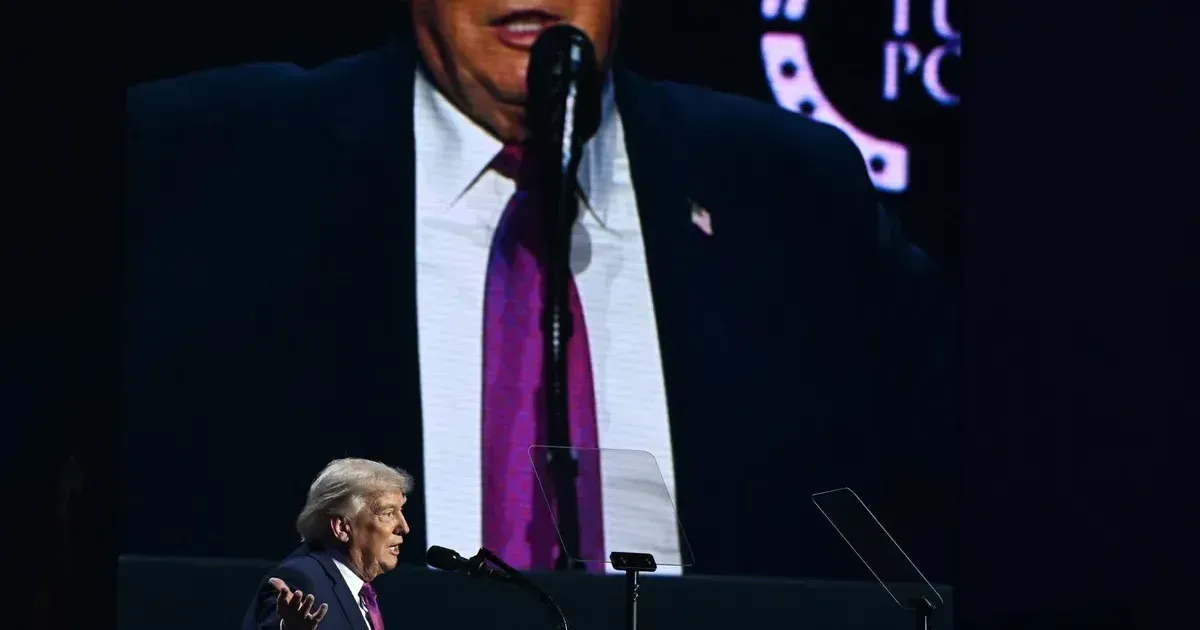
Donald Trump escalated a theological and political confrontation on April 18, 2026, by categorizing his leading supporters based on their loyalty during his public feud with Pope Leo.
Sean Hannity opened his broadcast by questioning the geopolitical priorities of the Vatican. He argued that the current pontiff focuses too heavily on globalist agendas. These comments triggered an immediate response from within the conservative media ecosystem. Relations between the most influential voices on the American right have reached a historic low point. Sean Hannity remains a central figure in this developing rift.
Tucker Carlson used his platform to strike back at the Fox News host. He labeled the criticism of the Pope as a reckless attempt to alienate millions of Catholic voters. Carlson suggested that attacking a religious leader of such stature constitutes a tactical error for the Republican platform. Tensions between the two commentators reflect a broader struggle for ideological control over the conservative base. Tucker Carlson maintains that religious institutional respect outweighs partisan bickering.
Hannity and Carlson Clash Over Papal Authority
Republican strategists are monitoring the fallout among Catholic voters in key swing states like Pennsylvania and Wisconsin. Statistics from previous election cycles indicate that small shifts in this demographic can determine national outcomes. Voters often balance their political identity with their religious affiliation. This disagreement forces a choice that many activists wanted to avoid. The current disagreement has moved beyond policy into the area of personal belief systems.
Television ratings for both personalities fluctuated as the argument intensified. Data from early evening broadcasts show a polarized audience response. Supporters of the former president find themselves split between media loyalty and traditional religious reverence. Donald Trump has frequently used public disputes to test the absolute fidelity of his media surrogates. He released a statement through his communications team that directly addressed the growing divide.
“Good, bad, and somewhere in the middle.”
Trump categorized his allies into these three distinct groups based on their defense of his position against the Vatican. Individuals who criticized the Pope without reservation earned the highest praise. Those who attempted to mediate or defended the pontiff were relegated to the lower tiers. Loyalty tests have become a standard operating procedure for the 2026 political season. Internal memos suggest the list includes over 50 top figures in the conservative movement.
Trump Classifies Supporters as Good or Bad
Vatican officials have not issued a formal rebuttal to the specific claims made by American media figures. Church leadership typically avoids direct entanglement in the daily news cycles of foreign political campaigns. Reports from Rome suggest Pope Leo is focused on a series of upcoming encyclicals regarding global economic reform. These documents often clash with the deregulatory goals of the MAGA movement. A fundamental disagreement on the role of government in wealth redistribution persists.
Nationalism and globalism serve as the primary friction points in this ongoing dispute. Hannity characterizes the Pope as a figurehead for international interests. Carlson argues that the papacy is a necessary moral check on secular power. Both men are competing for the intellectual soul of the Republican Party. The argument has paralyzed several advocacy groups that rely on funding from both secular and religious donors.
Donors have expressed concern regarding the long-term stability of the conservative coalition. Large-scale contributions often depend on a unified front against Democratic opponents. Infighting of this magnitude creates opportunities for political rivals to exploit. Strategists at the Democratic National Committee are already crafting advertisements aimed at moderate Catholic families. The messaging focuses on the perceived lack of respect for religious institutions shown by certain media personalities.
Catholic Voter Loyalty and Republican Strategy
Campaign internal polling suggests a 4% drop in favorability among observant Catholics over the last week. This demographic remains critical for any path to the White House. Religious voters in the Midwest prioritize traditional values and institutional stability. Trump’s decision to rank his allies creates a public record of dissent that may haunt future primary contests. Several candidates for the 2026 midterms have declined to comment on the ranking system. They fear alienating either the former president or their own local church leadership.
Political analysts at various universities note that this conflict is not unique in American history. Tensions between the White House and the Holy See appeared during the Reagan and Kennedy administrations. The current speed of social media accelerates these conflicts into national crises within hours. Reaching a consensus appears difficult when the primary actors refuse to communicate directly. Trump prefers public declarations over private diplomacy when dealing with institutional opposition.
Carlson’s defense of the Pope has created an unusual alliance between traditionalist Catholics and some segments of the populist right. These groups find common ground in their skepticism of corporate-aligned media figures like Hannity. The fracture illustrates that the MAGA movement is not a monolith. Different factions prioritize different aspects of the conservative tradition. Hardline nationalists often clash with those who hold deep religious convictions.
Conservative Coalition Strain
How does a political movement survive when its leader forces a binary choice between partisan loyalty and a two-thousand-year-old religious institution? The current fracture within the MAGA ranks over Pope Leo is more than a media spat. It is a fundamental collision between the cult of personality and the sanctity of established tradition. Trump’s decision to rank his supporters like contestants on a reality show reveals a total disregard for the subtle reality of the Catholic voting bloc. He is betting that populist anger will outweigh deep religious identity.
The gamble is statistically reckless. While Hannity appeals to the base’s nationalist instincts, he ignores the reality that the Republican Party cannot win without the industrial Midwest. Those voters are not just nationalists; they are often families whose social lives revolve around the parish. By forcing figures like Carlson to choose a side, Trump is effectively dismantling the coalition he spent a decade building. The ranking system is a vanity project that serves his ego while poisoning his electoral math.
The Vatican will likely outlast this administration and the next. Pope Leo understands that his influence is measured in centuries, not news cycles. Trump is playing a short-term game of dominance in a territory where he has no jurisdiction. If the Right continues this descent into theological civil war, the only winners will be the Democrats. The conservative movement is currently a house divided against itself. Failure is inevitable.