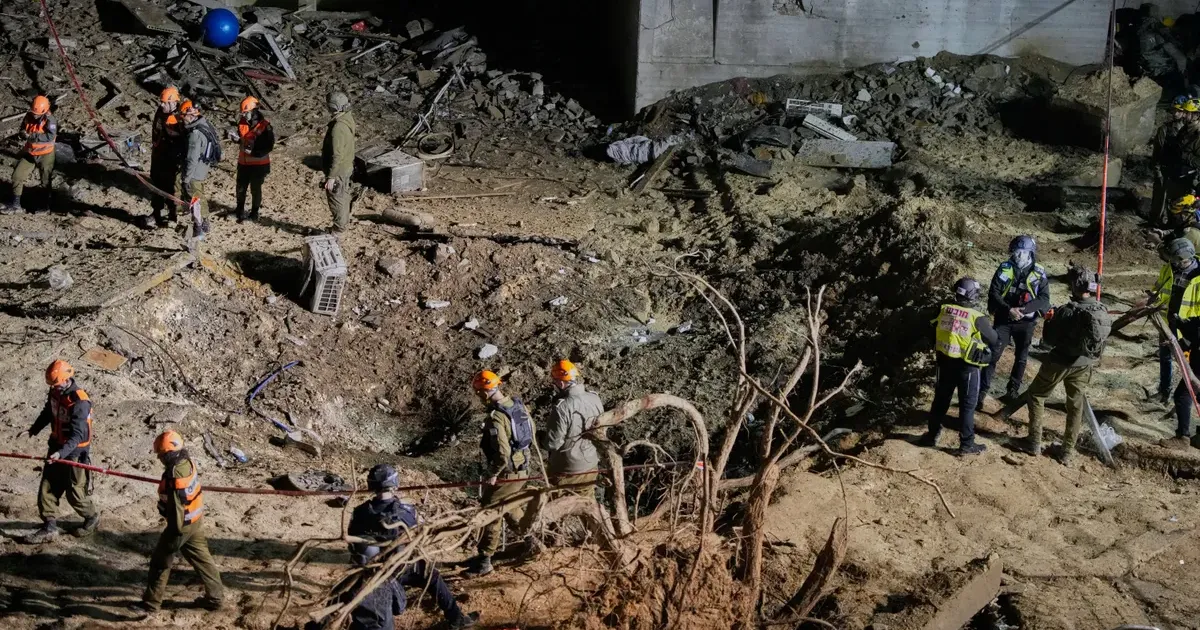
Trump's threat against Iran power plants pushed the conflict language toward infrastructure, which carries a different level of escalation risk. Energy sites are military, economic and civilian pressure points at once, so any public warning can affect markets before a shot is fired. Israel strikes have already changed the regional mood, and adding power facilities to the conversation draws scrutiny about proportionality and retaliation. The administration would need to explain whether the language is deterrence, preparation or political messaging. Iran power plants were being discussed as a possible target line after Israeli strikes. That distinction matters because adversaries and allies both listen for the same signal. If the threat is read as policy rather than pressure, the space for diplomacy narrows quickly. Trump's threat against Iranian power plants raises the escalation ceiling of the conflict. Energy infrastructure carries civilian, military and diplomatic risk if it becomes a target. Allies will watch whether the language becomes policy or remains pressure rhetoric. The threat also puts allies in a difficult public position. They may support pressure on Tehran while still needing to defend civilian-protection rules, energy-market stability and the difference between deterrence language and an operational target list. The market reaction can also outrun the military decision. Energy infrastructure language is enough to unsettle traders, insurers and allies before anyone knows whether policy has changed.
Allies will listen for the line between deterrence and targeting. A power plant may have strategic value, but civilians experience a strike through blackouts, hospital strain and water systems. That makes the language more dangerous than a normal threat. The threat also risks moving markets before policy is clear. Energy traders hear infrastructure language differently from campaign audiences, and that can widen the impact of a single statement.
The infrastructure language also complicates allied diplomacy. A power plant may be described as strategic by planners, but civilians experience the result through hospitals, water systems and blackouts. If Washington wants the threat understood as deterrence, it has to show where military pressure ends and civilian harm begins. Trump's threat against Iranian power plants raises the escalation ceiling of the conflict. The central question is whether the statement is meant as deterrence or as a real target signal, because allies and adversaries will plan differently depending on that answer.
Infrastructure Threats Shift the Debate
Power plants sit at the edge of military pressure and civilian consequence. Even when the language is meant as deterrence, allies and opponents hear a different message if energy systems become possible targets. That is why the wording carries risk beyond one speech.
The statement also changes how Iran can frame its own response. Threats against power infrastructure may be presented domestically as proof that civilian life is under pressure, which can make de-escalation harder even if no strike follows.
The legal question would become sharper if rhetoric turned into targeting. Military planners may distinguish between power used for command systems and power used by civilians, but the public rarely experiences that distinction cleanly during a war.
Allies will also ask how far the threat extends. A warning about power plants may be meant to deter Tehran, but it can unsettle partners that need a clear line between military targets and civilian infrastructure.
A strike on power infrastructure would also invite arguments over proportionality. Even if planners describe a target as military-linked, civilians experience blackouts through hospitals, water systems, phones and food storage.
That makes allied coordination essential. A threat meant to pressure Iran can still create anxiety for governments that have to defend international law, protect civilians and keep energy markets from reading the conflict as open-ended.
A threat against power plants also changes the civilian-risk conversation. Energy infrastructure can be described as strategic, but people experience it through hospitals, water systems, phones and food storage. That gap is why allies will listen closely for whether the language is pressure, deterrence or policy.
Energy Infrastructure as Leverage
The dangerous part of the threat is that power infrastructure is never only a military phrase. Civilians experience it through hospitals, water systems and blackouts, which means rhetoric can raise the cost of restraint before policy is even clear.