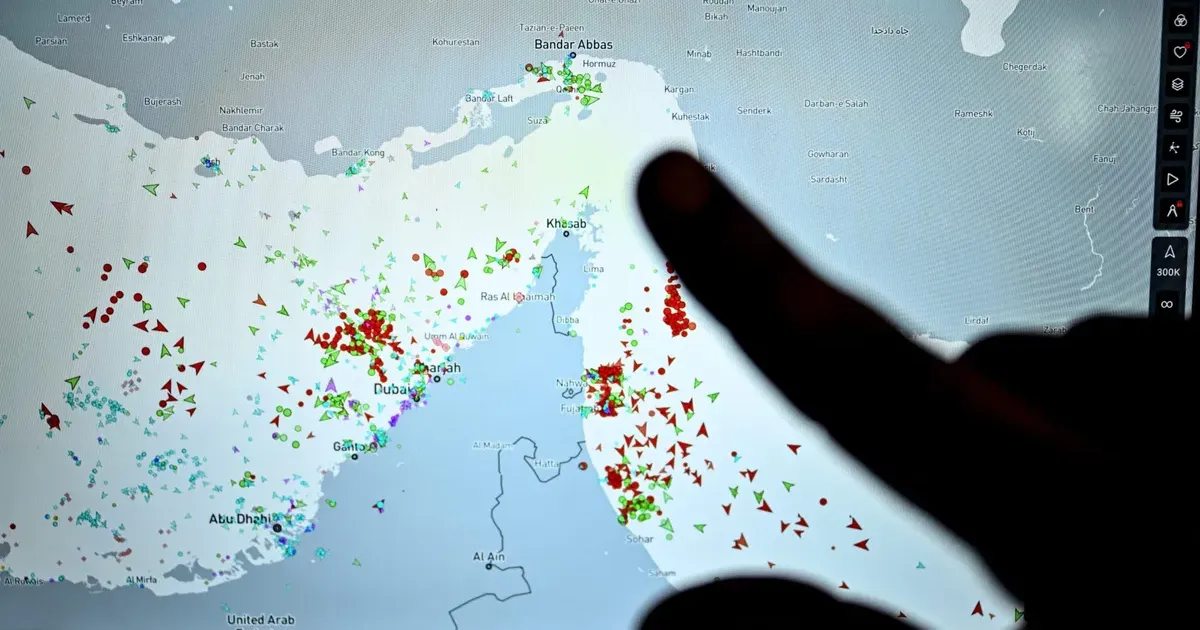
Trump Iran warning over possible mines in the Strait of Hormuz pushed an already tense energy crisis into a military danger zone. The threat was aimed at deterrence, but deterrence is unstable when warships, tankers and small craft are operating in the same narrow waters. By March 10, 2026, Hormuz mine reports had become a central test of whether Washington could protect shipping without widening the conflict.
Why Mines Change the Stakes
Gulf shipping risk is different from ordinary market anxiety because a mine threat can close routes even before an explosion occurs. Insurers, crews and charterers may slow traffic simply because the danger is credible. That means Iran does not need to stop every tanker to create economic pressure. It only needs to make the passage feel uncertain. The United States can respond with surveillance, escorts and warnings, but each added military layer creates more chances for a collision, mistaken signal or retaliatory strike.
Energy Markets Hear Every Word
Oil traders treat public threats as price inputs. A sentence from the White House can move crude if it changes the perceived risk around Hormuz. That does not mean the market believes every claim. It means traders cannot afford to ignore a possible disruption in one of the world's most important corridors. The pressure will reach consumers if freight, fuel and insurance costs keep rising.
The Deterrence Problem
The severe conclusion is that forceful language is only useful if it is backed by discipline. A warning that sounds decisive can become reckless if officials do not define what action would trigger a response. Washington needs to deter mining, protect traffic and avoid turning a shipping crisis into a direct naval war. Those goals are compatible only if the message is precise.
The public should watch for facts, not volume. In the Gulf, loud threats are less important than whether ships can move safely tomorrow.
What Deterrence Must Avoid
The next American signal has to reduce mine risk without making every patrol look like the start of a larger naval fight.
Mine reports around Hormuz are dangerous because they compress military, insurance and consumer risk into one narrow waterway. Trump's warning may be designed to deter Tehran, but severe-force language also raises the cost of a misunderstanding. Shipping firms will not wait for perfect evidence before changing routes or demanding higher premiums. The administration needs to publish enough detail to separate confirmed threats from political signaling. If the public hears only threats and denials, the market will assume the worst. Deterrence requires clarity as well as force. Without it, every tanker movement becomes a referendum on whether Washington can control escalation.
Congress should also demand clarity before severe-force language becomes the default response. Mines in a strategic waterway are a serious threat, but the public still needs to know what evidence exists and what options are being weighed. Force can deter, but it can also narrow the room for diplomacy if used as a first language. The administration's job is to protect shipping without turning every report into an automatic escalation trigger.