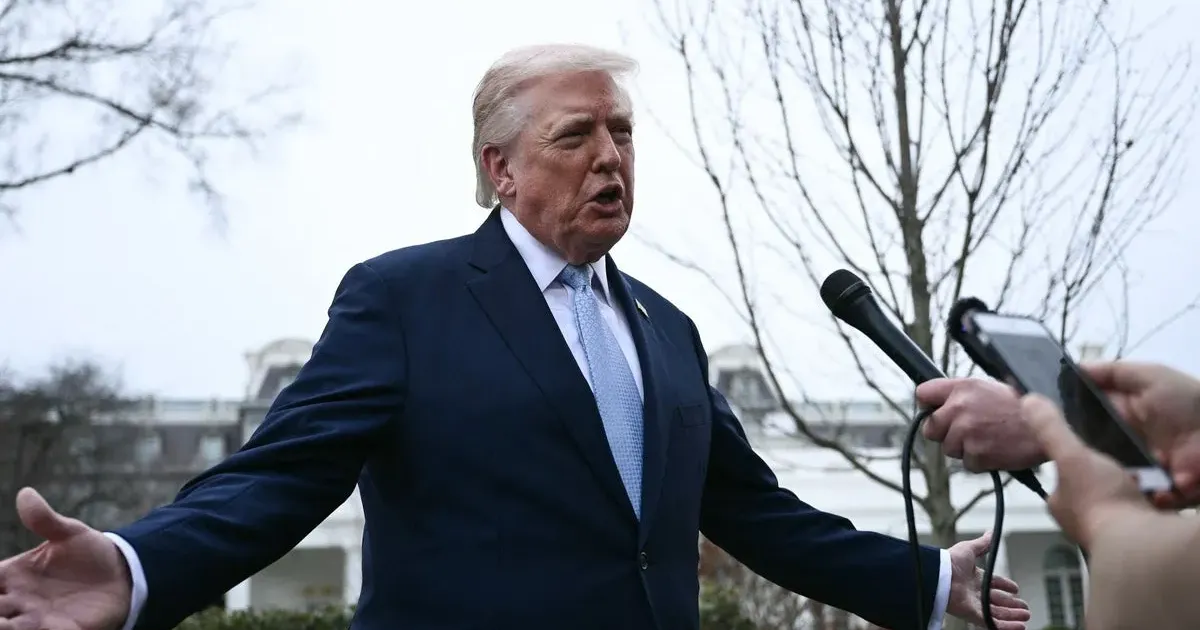
Donald Trump stated that the United States began exploring options to reduce military activities within the Iran theater. Speaking to reporters at the White House, the president suggested that American forces had achieved the majority of their primary strategic goals after months of intensive kinetic engagement. These remarks coincide with a period of heightened activity across the Persian Gulf where the balance of naval power remains precarious. The administration indicated that the military campaign had reached a stage where a transition to localized security measures might be possible. Military leaders provided updates on the current status of strikes against coastal infrastructure and command centers throughout the region. Trump emphasized that the progress made by the Pentagon surpassed initial expectations for the spring offensive. He described a scenario where the operational tempo might soon decrease in favor of a monitoring role. Still, the announcement arrived alongside reports of fresh units departing for the theater to ensure stability during any potential transition. The logistics of a withdrawal remain complicated by the necessity of maintaining air superiority over the shipping lanes. But the president dismissed suggestions of an immediate truce while operations were still yielding significant tactical results. He clarified that any reduction in force would depend entirely on the total neutralization of specific threats to international commerce. And despite the talk of winding down, the presence of carrier strike groups in the Arabian Sea continues to project substantial power. Intelligence reports indicate that several maritime corridors are now under firm coalition control for the first time in years.
South Korea Role in Strait of Hormuz
Trump specifically called upon South Korea and other major energy importers to assume a more active role in policing the Strait of Hormuz on March 20, 2026. This move reflects a broader White House policy of demanding burden-sharing from nations that rely heavily on Middle Eastern crude oil. Seoul has previously limited its naval contributions to small-scale anti-piracy missions, but the current administration expects a major increase in hardware and personnel. The demand for international assistance follows a series of skirmishes that threatened the global supply chain.
Meanwhile, South Korean officials in Seoul held emergency meetings to discuss the implications of the American request. The maritime traffic through the strait is a critical artery for the East Asian economy, yet the political cost of joining an active conflict remains high. Trump argued that the responsibility for securing these waters should not fall exclusively on American taxpayers or sailors. In fact, he suggested that the duration of the U.S. presence depends on how quickly allies provide their own security detachments.
For instance, the administration expects allies to provide escort vessels for tankers and surveillance drones to monitor coastal batteries. The White House has not yet specified what consequences might follow if partners refuse to participate in the expanded naval coalition. To that end, diplomatic channels between Washington and Seoul have seen a surge in activity over the last 24 hours. The outcome of these negotiations will likely determine the speed of any American troop redeployment.
Conflict Objectives and Military Realities
Department of Defense officials noted that the stated objectives of the Iran operation have shifted from regime containment to the total degradation of maritime denial capabilities. Donald Trump claimed that the U.S. military was very close to meeting these refined goals. By contrast, several analysts at the Center for Strategic and International Studies point to the continued resilience of mobile missile launchers in the Iranian interior. These assets continue to pose a risk to the very shipping lanes the U.S. aims to protect.
Yet the president remained optimistic about the ability of current forces to conclude the primary phase of the war. He noted that the intensity of the air campaign has depleted the defensive reserves of the opposing side. Separately, the Treasury Department confirmed that the economic sanctions currently in place will remain active regardless of any military wind-down. This dual-track approach seeks to maintain pressure even if the physical conflict subsides.
The Pentagon reported that the cost of the operation has already reached several billion dollars per month. Trump has frequently criticized the long-term financial burden of overseas conflicts, often citing the need to focus on domestic infrastructure. According to White House sources, the push for a wind-down is driven as much by fiscal policy as it is by military success. The president indicated that the focus must eventually return to the American border and internal security.
Discrepancies in Regional Force Posture
Reports from the ground suggest a paradox where talk of withdrawal is met with a visible increase in equipment arrivals. United States Central Command recently oversaw the arrival of heavy artillery and advanced radar systems at bases in neighboring territories. While Bloomberg suggests this hardware is meant for the final push, Reuters sources claim the equipment is intended for a permanent, albeit smaller, garrison. The discrepancy between the rhetoric of ending the war and the reality of logistics has caused confusion among regional partners.
Trump addressed these contradictions by stating that a strong exit requires an even stronger final presence. He told reporters that a hasty departure without securing the gains made over the winter would be a failure of leadership. In turn, the deployment of additional troops is being framed as a necessary step to enable the eventual reduction of the total force. The military is currently focusing on fortifying the perimeters of captured coastal positions.
Even so, the timeline for the first major unit departures remains classified and subject to the whims of the battlefield. The administration has avoided setting a firm date for the conclusion of the war to avoid giving the opposition an opportunity to regroup. Trump maintains that the element of surprise is a core component of his foreign policy strategy. The lack of a public exit map has drawn criticism from certain members of the Senate Armed Services Committee.
Strategic Shift toward International Coalition
Efforts to internationalize the conflict involve reaching out to European and Asian partners to form a permanent maritime security force. Trump believes that the current success of the United States Navy should be the foundation for a shared global responsibility. He has consistently argued that the protection of the Strait of Hormuz is a global public good that should be funded globally. Success in this diplomatic effort would allow the Pentagon to pivot its attention toward the Indo-Pacific. Winding down Iran operations is politically harder than ordering them. A leader must show restraint without making supporters think the mission ended before leverage was secured.