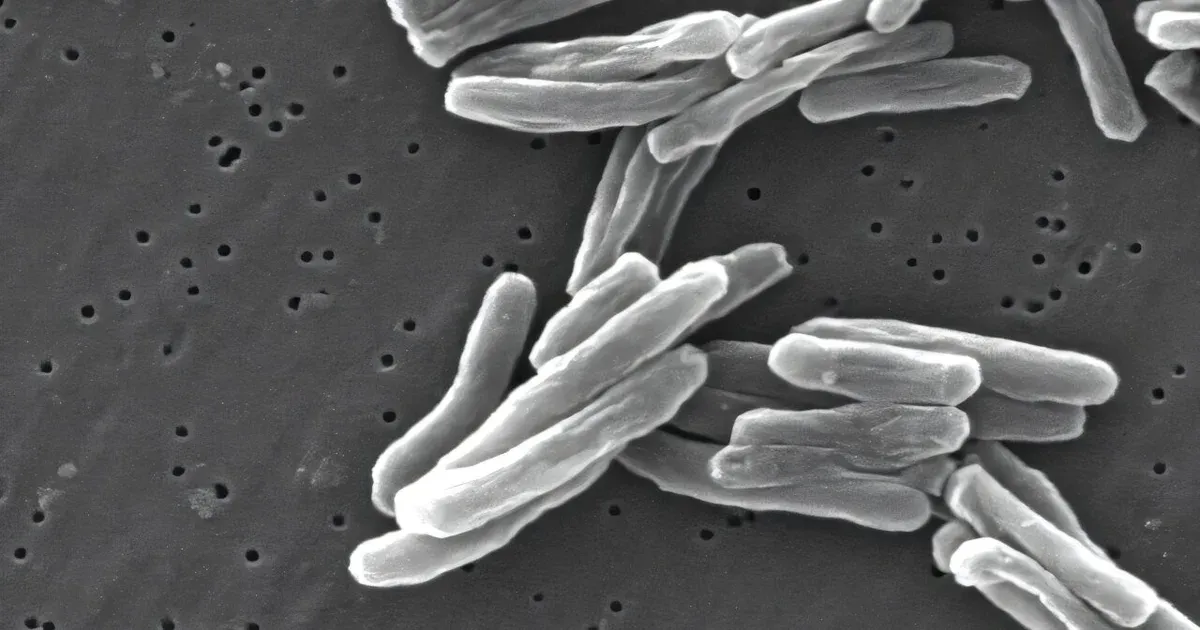
UC Davis researchers say they have developed a blood test that can identify active, contagious tuberculosis faster than many existing diagnostic pathways. The work centers on biomarkers that distinguish latent infection from disease capable of spreading to others. The April 1, 2026 announcement could matter most in settings where sputum tests, skin tests and slow cultures leave patients waiting while transmission continues.
Patients often wait up to 21 days for a bacterial culture to confirm a tuberculosis diagnosis. During this delay, an untreated individual can infect between 10 and 15 people annually through casual respiratory contact. This blood-based diagnostic removes the need for patient expectoration, which is notoriously difficult to collect from children or immunocompromised individuals. Eliminating the wait for bacterial growth allows clinicians to initiate antibiotic regimens immediately. Rapid intervention stops the chain of transmission in high-density urban environments.
Overcoming Diagnostic Hurdles in Global Tuberculosis Care
Tuberculosis has plagued humanity for millennia, yet the World Health Organization reported that 1.3 million people died from the disease in 2022 alone. Sputum smear microscopy remains the primary tool in low-resource regions despite its limited sensitivity. Many patients cannot produce enough deep-lung mucus for an accurate sample. Resulting false negatives contribute to the cycle of transmission. UC Davis researchers addressed this gap by targeting circulating biomarkers that appear in the bloodstream only when the bacteria are actively replicating.
Previous diagnostic blood tests, known as Interferon-Gamma Release Assays, failed to differentiate between active and latent states. A person with latent tuberculosis carries the bacteria but shows no symptoms and cannot infect others. Roughly one-quarter of the global population has a latent infection. Unnecessarily treating these individuals strains medical budgets and increases the risk of antibiotic resistance. Mycobacterium tuberculosis enters a dormant phase in the body that confuses standard immunological tests. The new assay bypasses this confusion by monitoring specific pathogen-derived metabolic signatures.
Speed is the most critical variable in controlling airborne pathogens. Lab technicians can process the new blood samples using standard equipment found in most modern hospitals. Healthcare facilities do not need to invest in specialized biosafety cabinets required for handling live bacterial cultures. Reducing the logistical burden of testing makes screening programs more viable in remote or underserved areas. Clinical efficiency improves when physicians can rule out infectiousness in a single afternoon.
The discovery enables faster diagnosis and treatment, while also helping prevent the spread of tuberculosis by quickly identifying those who are contagious, according to the research team at the UC Davis Department of Pathology and Laboratory Medicine.
Molecular Precision in Pathogen Detection
Molecular diagnostics have traditionally been too expensive for mass implementation in the regions most affected by the disease. UC Davis investigators focused on creating a cost-effective platform that maintains high specificity. Their research identified proteins and fragments of bacterial DNA that leak into the circulatory system during active pulmonary destruction. These markers serve as biological evidence of an ongoing infection. Detection occurs long before the patient begins exhibiting the classic symptoms of persistent cough or weight loss.
Clinicians currently struggle to diagnose tuberculosis in patients also living with HIV. The immune systems of these individuals often fail to produce the signals required for older tests to function. Statistics indicate that tuberculosis is the leading cause of death for people with HIV worldwide. This diagnostic advancement provides a pathway to screening this vulnerable population without relying on an immune response. It identifies the presence of the pathogen itself. Early detection in these cases is the difference between a manageable infection and a fatal outcome.
Medical records from pilot studies show the test maintains its accuracy across diverse demographic groups. Researchers validated the results by comparing them against the gold standard of liquid culture. The blood test matched the sensitivity of culture methods while reducing the time-to-result by over 95 percent. Such metrics indicate the potential for a complete overhaul of screening protocols in public health departments. Modernizing the toolkit for infectious disease management is a priority for the World Health Organization.
Economic Impact of Rapid Diagnostic Implementation
Untreated tuberculosis costs the global economy an estimated $13 billion every year in lost productivity and healthcare expenses. Most of this burden falls on individuals in their peak earning years. Rapid testing allows workers to return to their jobs sooner once they are confirmed as non-infectious. It also reduces the need for lengthy, expensive hospital isolations while waiting for lab results. Budgetary constraints in many nations have long prevented the adoption of advanced molecular tools.
Funding for tuberculosis research has historically lagged behind other infectious diseases like HIV or malaria. This imbalance persists despite tuberculosis remaining the deadliest infectious killer globally when excluding the peak years of the recent pandemic. Private investment in diagnostic tools has often prioritized chronic conditions prevalent in wealthy nations. The UC Davis project demonstrates that university-led research can bridge the gap where the private market fails to act. Academic labs often focus on the public health utility rather than immediate profit margins.
Public health officials in California and beyond are monitoring the rollout of the test for integration into mandatory screening programs. Schools, prisons, and healthcare workers require frequent testing to maintain safety. Switching from skin tests to a highly accurate blood test reduces the number of follow-up appointments needed. Patients often fail to return for the 48-hour reading required by the Mantoux skin test. A single blood draw ensures a final result is recorded in the electronic medical record system without further patient action.
Public Health Impact
Stagnation in diagnostic innovation has allowed a nineteenth-century disease to remain the deadliest infectious killer globally despite the existence of effective antibiotics. While the medical community frequently congratulates itself on the digital transformation of healthcare, the reality is that the front lines of the tuberculosis fight still use technology Robert Koch would recognize. The UC Davis blood test is not just a scientific achievement; it is a long-overdue indictment of a global health system that allows millions to die because it finds the poor to be an unprofitable demographic for diagnostic development. For decades, we have settled for tests that require patients to cough into plastic cups, a method that is both indignifying and clinically insufficient.
Medical priorities remain skewed toward chronic lifestyle conditions while pathogens that target the marginalized receive fractionally lower venture capital. The blood test should have existed twenty years ago. That it arrived only in 2026 suggest our global surveillance infrastructure is fundamentally reactive. If a pathogen does not threaten the stock portfolios of the G7, the pace of innovation slows to a crawl. We must demand not merely technical success. The integration of this test into standard care will reveal whether the global health apparatus cares about eradication or merely containment.