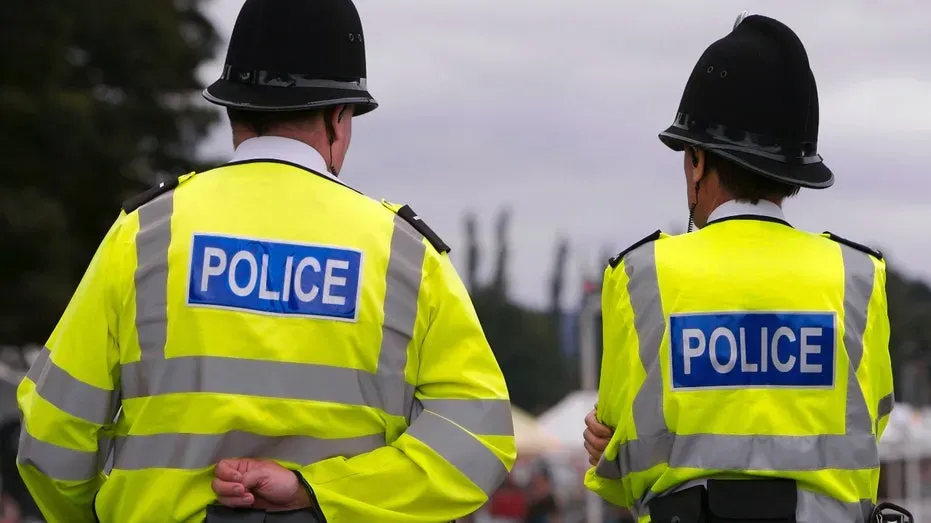
Home Secretary Shabana Mahmood ordered British police to cease all investigations into legal social media comments that do not constitute a criminal offense. New directives sent to every force in England and Wales prioritize physical patrols and the pursuit of serious crime over monitoring online discussion. On April 1, 2026, government officials confirmed the immediate scrap of non-crime hate incident (NCHI) tracking, ending a controversial practice that has spanned three decades. This policy shift follows an exhaustive internal review that determined the previous approach to digital hostility was disproportionate and infringed upon free expression.
Officers previously dedicated thousands of hours to logging reports of speech that, while potentially offensive, did not break any laws. The Home Office reported that 34 police forces conducted 9,305 reports into such incidents between 2024 and 2025 alone. These figures include cases where police visited private residences to discuss social media posts regarding religion, gender identity, or national origin. High-profile incidents involving a retired pastor in Northern Ireland and a man arrested after sharing vacation photos from Florida accelerated the demand for reform.
Home Office Reforms Target Non-Crime Hate Incidents
Guidance from the College of Policing and the National Police Chiefs Council originally intended NCHI records to help track emerging tensions within communities. Proponents of the system argued that monitoring low-level hostility could prevent future escalations into physical violence. Critics, however, pointed to the chilling effect on public debate and the strain on limited law enforcement resources. Public trust in the police fell as citizens observed officers intervening in routine online arguments while burglary and shoplifting rates climbed. Police leadership now acknowledges that the digital age blurred the boundaries between legitimate speech and criminal behavior.
Home Secretary Shabana Mahmood argued that law enforcement should focus on real threats rather than moderating debates on X or Facebook. She stated that the era of policing legal tweets has concluded. Existing data shows that the volume of NCHI reports created an enormous administrative burden for understaffed departments. These records often stayed on an individual's background check for years, affecting employment opportunities despite no crime ever being committed. The new framework implements a narrow, strictly defined threshold for police involvement in speech-related matters.
"Under these reforms, forces will no longer be policing perfectly legal tweets," Home Secretary Shabana Mahmood said in a statement.
Resources will now shift back to neighborhood policing and the investigation of complex criminal networks. Evidence from the review suggested that the public perceived the police response to hate or hostility as a distraction from core duties. Most residents in the UK prefer to see officers on the street. The government insists that this change does not give a green light to harassment, as existing laws against online threats and stalking remain in full force. Only speech that is clearly legal will be excluded from the reporting process.
CPS Advises Police on Mandelson and Mountbatten-Windsor Inquiries
While the Home Office pulls back from the digital sphere, investigators are intensifying efforts regarding high-profile figures linked to the Jeffrey Epstein sex offender case. The Crown Prosecution Service (CPS) is currently providing investigative advice to police forces examining the activities of Lord Mandelson and Andrew Mountbatten-Windsor. These inquiries focus on their historical associations and interactions with Epstein during his years of operation in London and New York. Detailed files from the CPS suggest that the advice involves complex legal questions regarding jurisdiction and the statute of limitations. This means a push to address enduring allegations that have simmered in the public eye for years.
Detectives are reviewing a vast array of flight logs, financial documents, and witness statements as part of the Lord Mandelson inquiry. His enduring friendship with Epstein has been the subject of media scrutiny, yet formal police action has been limited until this recent advisory phase. The CPS intervention provides framework for how evidence should be gathered and presented. Sources indicate that the investigation into Andrew Mountbatten-Windsor follows similar protocols as police look for corroboration of previous claims made by Epstein victims. The resilience of the legal teams involved has ensured that the case remains active despite years of denials.
Evidence from the Epstein estate and previous court proceedings in the United States continues to trickle into the hands of British authorities. While Lord Mandelson has consistently denied any wrongdoing, the formal nature of the CPS advice indicates a new level of seriousness in the probe. Inquiries into Andrew Mountbatten-Windsor also involve coordinating with international agencies to verify timelines and meeting locations. The complexity of these cases requires a high degree of specialization within the police ranks. Funding for these major investigations remains a priority even as lower-level digital monitoring is phased out.
Shift in Policing Priorities from Digital to Physical
Reallocating thousands of officer hours from social media monitoring to physical crime prevention is the primary goal of the current administration. The Home Office maintains that a presence on the streets provides more community safety than a presence in comment sections. Many officers have expressed relief at the new guidelines, noting that they often felt like arbiters of taste instead of law enforcement. Training for new recruits will now emphasize the legal distinction between offensive speech and criminal incitement. These curriculum changes aim to prevent the recurrence of home visits for lawful social media posts.
Public belief in the impartiality of the police suffered during the peak of NCHI recording. Many citizens felt that certain viewpoints were more likely to be flagged than others, leading to accusations of political bias within the ranks. The new rules specify that unless a post meets the criminal threshold of a threat or harassment, it should not be recorded by police. Data from 2025 showed that the majority of NCHI reports resulted in no further action, wasting meaningful time. Every police force in England is now required to audit their existing NCHI databases to ensure they align with the new, narrower definitions.
International observers are watching the UK's pivot closely as other nations struggle with the same balance of speech and safety. While the United States has a more solid First Amendment tradition, the UK has historically had more latitude in policing speech. The reversal indicates a move toward a more libertarian interpretation of speech rights in the digital context. The Home Office expects that the number of speech-related inquiries will drop by over 90 percent within the first twelve months. Success will be measured by the redeployment of these officers into local crime-fighting roles.
Policing Priorities After the Shift
The Home Office's decision to abandon the policing of legal speech is a necessary, if overdue, admission of institutional overreach. For years, the British state expanded its digital footprint into the private conversations of its citizens, creating surveillance apparatus that prioritized feelings over felonies. The retreat from the online space is not merely a budgetary decision; it is a tactical surrender to the reality that the police cannot, and should not, be the internet's hall monitors. By logging over 9,000 non-crime incidents in a single year, the authorities effectively built a blacklist of people who had done nothing illegal, an affront to the very principles of English common law.
Cynics might view the timing of this announcement alongside the renewed focus on Lord Mandelson and Andrew Mountbatten-Windsor as a classic political diversion. By giving the public a high-profile pursuit of elite figures, the government can quietly dismantle a failed policing model that had become a source of national embarrassment. The CPS advice regarding the Epstein connections provides a needed veneer of accountability for the powerful, yet the fundamental question of why these inquiries took decades to gain momentum persists. One could argue the state is trading its role as a micro-manager of citizen speech for a role as a macro-manager of royal and political scandals.
The shift back to physical patrolling is a gamble. If street crime does not drop sharply following this reallocation of resources, the Home Office will have no remaining excuses. The police have effectively traded their digital shields for physical batons.