UN Panel Challenges White House Rhetoric
Geneva experts issued a blistering condemnation of American political rhetoric on Wednesday, identifying a direct link between executive speech and human rights violations. Members of the United Nations Committee on the Elimination of Racial Discrimination, or CERD, warned that the current administration's language fosters an environment of hostility. Their formal decision focuses on President Donald Trump, citing his public statements as a primary driver of racial tension. Such a rebuke from a global monitoring body remains rare for a Western democracy, yet the panel insisted the situation required immediate intervention.
On March 12, 2026, the UN criticism merged with a domestic fight over disability language and immigration enforcement. International observers noted that the findings emphasize the harmful intersection of targeted rhetoric and aggressive domestic policy. Washington has yet to provide a formal rebuttal to the specific allegations of the Geneva-based committee. Critics within the United States joined the chorus of concern as the report began circulating in diplomatic circles.
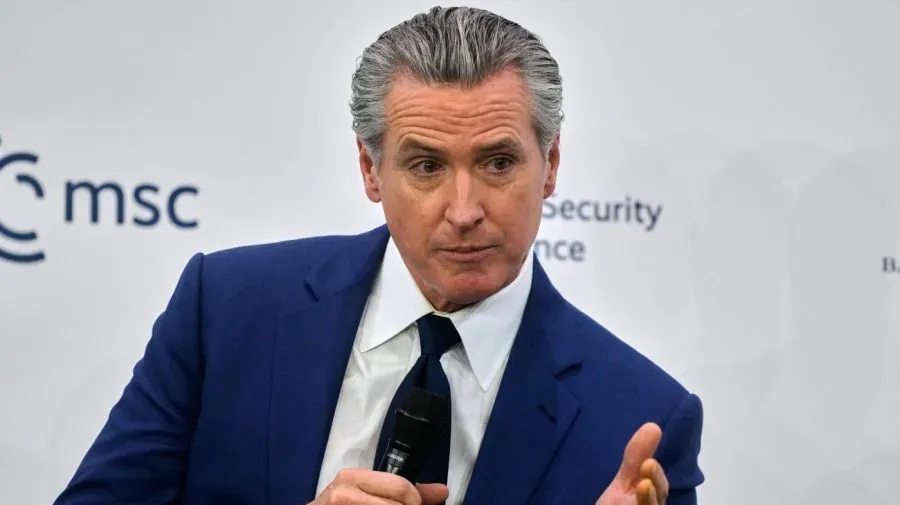
While the administration previously dismissed similar critiques as partisan interference, the CERD panel functions as an independent body of 18 experts who monitor compliance with the 1965 International Convention on the Elimination of All Forms of Racial Discrimination. Evidence presented to the committee suggested that words spoken at rallies and shared via social media translate into real-world harm. Trump frequently uses platforms like Truth Social to broadcast his views on immigration and his political opponents. The committee found that these messages often precede intensified enforcement actions that target vulnerable populations based on their ethnic or national origin. Medical reality does not bend to political convenience. California Gov. Gavin Newsom responded with uncharacteristic speed on Wednesday evening to a specific post targeting his personal history. Trump claimed on Truth Social that Newsom suffered from a mental disorder, specifically citing the governor's well-documented struggles with dyslexia.
Newsom Attack Expands the Dispute
Newsom, who has long been open about his neurodivergence, characterized the president's comments as an attack on millions of Americans who learn differently. Dyslexia involves difficulties with reading and language processing, but medical professionals do not classify it as a mental disorder or a cognitive disability in the sense Trump suggested. Experts in education and psychology were quick to point out that identifying a learning difference as a psychiatric illness contributes to a broader culture of stigma. Newsom argued that such comments do a disservice to children in March 2026 who are currently working to overcome academic hurdles.
Sacramento has become a primary hub for resistance against the rhetoric emanating from the White House. Newsom finished his speech on educational equity and then took to social media to defend himself and others with learning differences. But the governor's defense went beyond personal grievance. He linked the president's comments to a broader pattern of bullying that targets marginalized groups.
Trump wrote that Newsom had low board scores and could not read, using these claims to question the governor's fitness for office. Still, the response from disability advocacy groups was swift, with several organizations issuing statements that condemned the weaponization of a common learning trait. They argued that the president's rhetoric endangers the progress made in special education funding and inclusion policies. Yet the UN panel focused on even more severe consequences of political speech.
Their report detailed how immigration crackdowns near schools and hospitals have intensified over the last year. These locations were previously considered sensitive zones where enforcement was limited to ensure public safety and access to essential services. Reports from the CERD panel indicate that faith-based institutions have also seen an increase in surveillance and arrests. A human rights crisis is brewing at the border, according to the committee, driven by a combination of policy shifts and the dehumanizing language used by political leaders.
Enforcement Zones Raise Rights Questions
Legal scholars suggest that the United States is currently testing the limits of its treaty obligations under international law. Human rights violations are not abstract concepts reserved for European boardrooms. Enforcement strategies near hospitals have drawn particular ire from healthcare providers. Doctors and nurses report that patients are skipping life-saving appointments for fear of being detained by federal agents.
While the administration maintains that these actions are necessary for national security, the UN panel found that they disproportionately impact specific racial and ethnic groups. Trump has consistently defended his administration's tactics, arguing that a strong border is the only way to protect American sovereignty. But the Geneva committee warned that the methods used to achieve this goal are stripping individuals of their basic dignity. They highlighted instances where children were separated from parents during routine activities near school grounds.
So the pressure on the White House to revise its enforcement guidelines continues to mount from both domestic and international sources. Enforcement teams have expanded their presence into areas previously deemed off-limits by long-standing Department of Homeland Security memos. CERD experts argue that the suspension of these protections constitutes a grave violation of human rights. That interpretation is based on the idea that access to healthcare and education should not be contingent on immigration status.
Trump persists in his rhetoric, often framing these crackdowns as a triumph of law and order. A Truth Social post from early Wednesday morning celebrated the efficiency of these operations, even as the UN panel was finalizing its condemnation. This enforcement strategy has led to a climate of fear that permeates entire communities, regardless of an individual's legal standing. Newsom highlighted this climate of fear during his rebuttal, noting that the president's words have consequences that reach far beyond the digital realm.
Rights Language Matters
Can a nation remain a global arbiter of human rights when its own chief executive faces formal condemnation from the United Nations? We are currently observing a collapse of the boundary between political theater and international law. Trump's dismissal of the UN panel as partisan may be predictable, but it still leaves the 1965 treaty obligations that the United States once championed on the table. When the leader of a superpower uses Truth Social to rebrand common learning differences like dyslexia as mental disorders, he is not just attacking a political rival like Gavin Newsom. He is effectively declaring war on scientific literacy and the dignity of millions. This is a deliberate attempt to narrow the definition of a valid citizen to only those who fit a specific, narrow mold of cognitive and racial homogeneity. The UN committee is correct to identify this as a grave human rights concern. If we allow the White House to operate as an island of rhetorical aggression, we forfeit our right to criticize the autocrats and dictators we claim to oppose. The silence from the president's party is perhaps the most damning evidence of a political system that has traded its moral compass for the fleeting high of a viral post.
President Trump's dismissal of the UN panel as a partisan entity is a predictable move, but it ignores the heavy reality of the 1965 treaty obligations that the United States once championed.