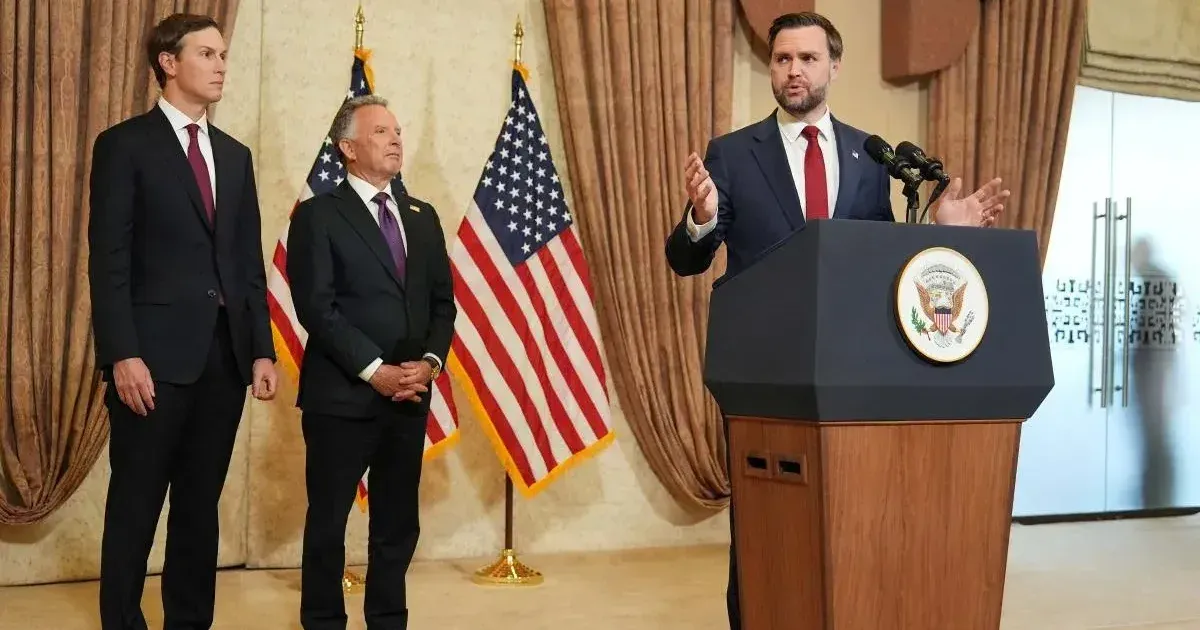
The United States and Iran are pursuing a comprehensive nuclear pact in Geneva, reopening the possibility of a broader settlement after years of failed diplomacy. U.S. diplomats arrived for talks with Iranian officials as enrichment concerns, sanctions pressure and regional security disputes continued to shape the agenda. The scope of the effort is wider than a technical freeze, which is why the risk of failure remains high. On April 17, 2026, the negotiations signaled that both sides still see value in a larger bargain. The challenge is that a comprehensive deal is harder than a narrow nuclear freeze. It would need to address enrichment limits, inspection access, sanctions relief, regional proxies, maritime security and the political credibility of any commitments. United States-Iran nuclear talks are therefore a diplomatic opening, not a breakthrough.
Grand Bargain Faces Old Obstacles
Previous efforts struggled because each side wanted sequencing that protected its leverage. Washington wanted verifiable nuclear limits before major relief. Tehran wanted sanctions relief it could feel before making concessions that would be difficult to reverse. That sequencing problem remains. A deal can fail even if both sides want lower tension, because neither wants to be the first to give up its strongest bargaining chip. Inspection rules will be especially sensitive. Western negotiators need access that can reassure allies and Congress. Iranian officials will resist arrangements they can portray as humiliation or foreign intrusion.
Regional Security Expands the Deal
A broader pact cannot ignore the conflict environment. Iran's regional posture, shipping threats and proxy relationships affect how the United States and its allies judge nuclear risk. Sanctions relief will also be politically difficult if the talks do not address security beyond centrifuges. Lawmakers may ask why Iran should receive economic benefits while other destabilizing activities continue. That makes the negotiation more realistic and more complicated. A narrow deal may be easier to write, but it may not survive the regional pressure around it.
Verification Is the Core Test
The strongest possible agreement would give Iran economic incentives, give inspectors credible access and give regional actors reason to believe the nuclear issue is contained. Even then, implementation would be fragile. A single disputed site, missile test, shipping incident or sanctions delay could threaten the deal before it matures. The Geneva talks matter because they create a channel at a time of high risk. Whether that channel becomes a pact will depend on whether both sides can trade real concessions without making the agreement impossible to sell at home.
Domestic Politics May Decide the Ceiling
Any agreement will have to survive scrutiny in Washington and Tehran. In the United States, critics will ask whether Iran is receiving relief without abandoning dangerous capabilities. In Iran, hard-liners will argue that concessions invite more pressure. That means negotiators are not only bargaining with each other. They are bargaining with the political audiences that can undermine implementation after the signing ceremony. A comprehensive pact also needs regional buy-in. Israel, Gulf states and European governments will all judge whether the deal reduces danger or only delays it. If those actors believe the agreement is weak, they may act outside the deal's framework. That could turn a diplomatic success into another source of regional friction. Sequencing remains the hardest bargain because each side wants the other to move first. The most durable path may be phased: limited relief for verified steps, followed by broader measures as compliance deepens. That structure can reduce risk, but it also creates many points where trust can fail. Iran will want relief that is difficult to reverse. Washington will want compliance that is difficult to hide. Those goals are not impossible to reconcile, but they require technical detail and political patience. The Geneva channel is important because it keeps the hardest questions inside a negotiation rather than outside it. The danger is that expectations rise faster than the deal itself. The nuclear file is also linked to time. The more advanced Iran's technical knowledge becomes, the harder it is for any agreement to recreate the conditions of earlier deals. Diplomacy can cap activity, but it cannot erase expertise. That makes monitoring more important. Inspectors need enough access to detect diversion, undeclared work and sudden breakout risk. Iran will want limits on inspections that it sees as espionage or political humiliation. Sanctions relief carries its own technical detail. Banking channels, oil sales, frozen assets and secondary sanctions all have to be addressed in ways that produce real economic value rather than symbolic relief. The United States also needs a plan for enforcement. If Iran violates the pact, Washington must know what penalties return and how quickly. If Washington delays relief, Iran will claim the deal was breached from the other side. A comprehensive pact is possible only if both sides accept that the agreement will be judged daily, not just signed once.
The diplomacy also has an information problem. Each side may leak optimistic details to shape expectations or pressure the other side, while negotiators in the room may still be stuck on basic sequencing.
That can make public reporting volatile. A single positive briefing may move markets or allies, then be contradicted by another official hours later.
For a comprehensive pact, the details will matter more than mood. The number of centrifuges, the level of enrichment, the inspection timetable and the sanctions schedule are the agreement.
Regional actors will look for loopholes. If they believe the deal leaves missile activity, proxies or maritime pressure outside meaningful constraint, they may treat it as incomplete.
The United States and Iran are trying to solve more than a nuclear problem. They are trying to create a framework that can survive mistrust, domestic politics and repeated regional shocks.
That is why Geneva matters. It is one of the few places where those problems can be argued in the same room before they become another crisis.
A deeper bargain would also need a crisis mechanism. Even a strong agreement can face incidents at sea, proxy attacks or inspection disputes. Without a channel for rapid de-escalation, one event could unravel months of negotiation.
That mechanism may be politically dull, but it is essential. Diplomacy often survives because officials have a way to talk before a violation becomes a public ultimatum.
Economic sequencing will be just as delicate. Iran needs relief that businesses believe is real, while Washington needs snapback tools that allies and markets understand before a breach occurs.
The strongest agreement would therefore be technical, phased and somewhat unsatisfying to both sides. That may be the price of durability.
If negotiators aim only for a dramatic announcement, the pact may be fragile. If they build a boring structure that can survive bad weeks, Geneva could become more than another failed round.