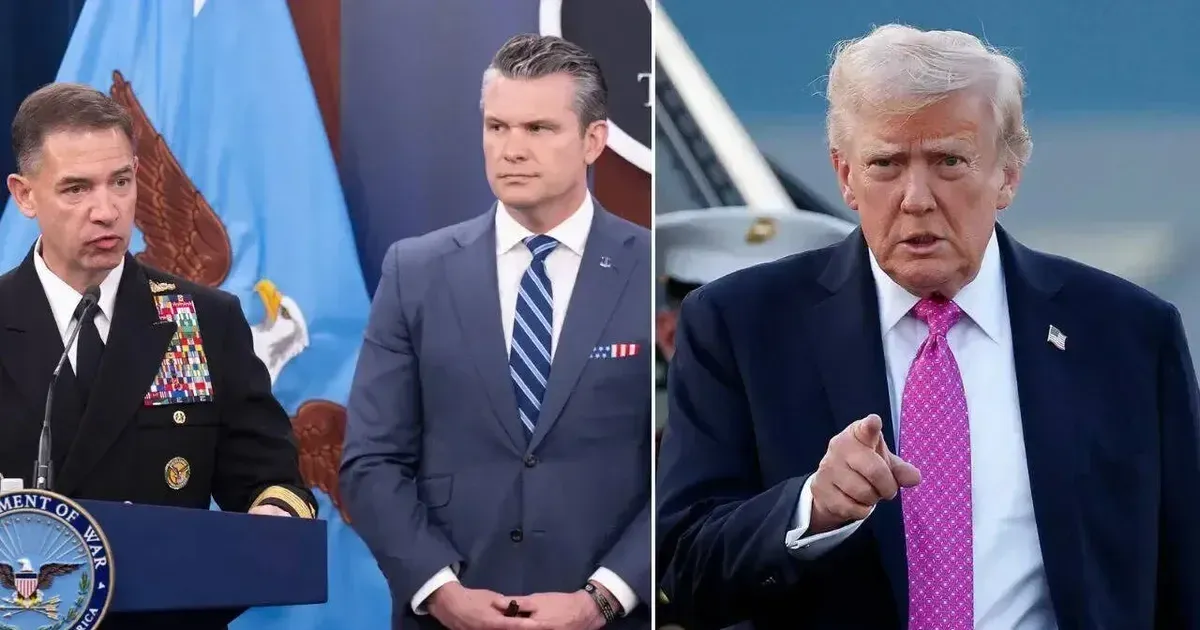
CENTCOM planning has shifted the Iran debate from sanctions pressure toward possible infrastructure strikes. The draft options show how quickly contingency work can become political evidence. Commanders are preparing military choices while diplomats still argue over an exit path. President Donald Trump is slated to receive a briefing on new military options for Iran as the White House keeps pressure on Tehran over nuclear negotiations and the Strait of Hormuz blockade. The briefing is scheduled for April 30, 2026, according to people familiar with the plans cited by Axios. The session is expected to be led by CENTCOM Commander Adm. Brad Cooper and to focus on options that could be used if diplomacy stalls further. Strike planning also affects regional partners that host US aircraft, logistics hubs or intelligence assets. Even if no order is signed, those governments may need to prepare for retaliation, evacuation decisions and diplomatic pressure from Tehran. That is why contingency documents can become strategic signals before any missile is launched. Those partners may also ask Washington to clarify defensive commitments if Iranian retaliation reaches bases or shipping routes. The Pentagon also has to preserve surprise while signaling enough readiness to deter Iranian commanders.
The most closely watched proposal is a short and powerful wave of strikes on Iran. Sources briefed on the planning described the option as likely to include infrastructure targets, but the reporting does not say Trump has approved an attack. The aim would be to increase pressure on Tehran and push Iranian negotiators back toward a nuclear deal. That distinction matters because the current posture remains contingency planning, not a confirmed order to begin kinetic operations.
Other options expected to be discussed are broader and riskier. One plan would involve taking over part of the Strait of Hormuz to reopen commercial shipping, potentially with ground forces. A separate idea that has been discussed in the past would use special operations forces to secure Iran's stockpile of highly enriched uranium. Each option carries a different threshold for escalation, from limited strikes to direct control of strategic territory.
Tehran has responded to the blockade with warnings that it could take practical and unprecedented action if the pressure campaign continues. Iranian officials have also tried to frame the standoff as proof that Washington is using maritime power to dictate the terms of nuclear talks. The rhetoric has added to concerns that a tactical move at sea could quickly become a wider regional confrontation.
Energy markets are already pricing in that risk. Brent crude was trading above $112 a barrel on Wednesday, while WTI was above $105, according to Euronews. Those levels are below the most extreme market scenarios, but they still show how quickly the blockade and war risk have tightened supply expectations.
The recent decision by the United Arab Emirates to leave OPEC has added another layer of uncertainty. Analysts cited by Axios said the move could eventually favor consumers if it weakens coordinated production limits and allows more output. In the near term, however, Gulf producers remain constrained because tanker traffic through Hormuz is still disrupted. For now, the exit changes the politics of supply management more than it immediately changes available barrels.
CENTCOM Strike Options Under Review
The CENTCOM plan reported by Axios centers on a limited wave of strikes designed to break the negotiating deadlock. The targets have not been fully described publicly, and officials have not confirmed that any final target list has reached the president. The narrower language is important because earlier public debate has included everything from infrastructure attacks to nuclear-site contingencies, but the latest report only says infrastructure targets are likely.
A Hormuz operation would be more complicated than an air campaign. Reopening the waterway by taking control of a sector would place US forces in direct contact with Iranian defenses and raise the chance of retaliation against ships, bases, or regional partners. It would also turn an economic blockade into a territorial military operation, a shift that allies and markets would read as a major escalation.
Oil Markets React to Hormuz Risk
Oil traders are weighing two opposing forces. The UAE departure from OPEC points toward looser coordination and potentially higher future output, while the blockade keeps immediate supply routes under threat. That is why analysts have treated the UAE decision as a medium-term supply story rather than a quick fix for prices. If tankers cannot move safely, spare capacity is less useful.
Shipping costs and insurance premiums are likely to stay elevated while the standoff continues. Producers outside the Gulf may gain pricing power, but consumers face higher fuel costs as long as the risk premium remains embedded in futures markets. The White House therefore has to balance military leverage against the domestic economic cost of another oil shock.
CENTCOM’s Options Could Turn Blockade Diplomacy Into Open War
A limited strike wave could give Washington a coercive option without immediately committing to a long campaign, but it would not guarantee Iranian restraint. Tehran could answer through maritime harassment, missile fire, or allied militias in Iraq and Syria. The more the US mission expands from pressure to control of territory or uranium stockpiles, the harder it becomes to keep the conflict bounded.
The next decision point is whether Trump treats the briefing as a signal to Iran or as preparation for action. If the options remain on the table while negotiations continue, they may strengthen US bargaining power. If one is ordered, the conflict would move from blockade diplomacy into a new military phase with direct consequences for global energy flows and regional security.