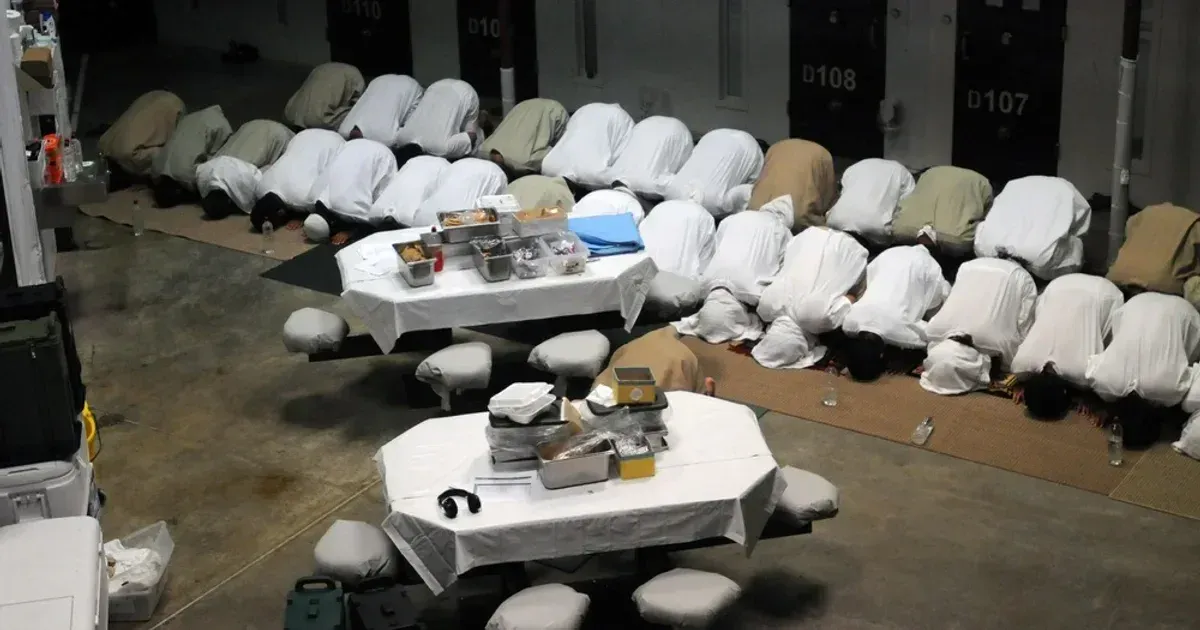
A private detention contractor has imposed a blanket handcuffing rule for immigration detainees in Australia, turning a transport procedure into a national oversight dispute. The directive applies across risk categories and follows reported security failures under the operator's watch. Lawyers say the policy raises basic questions about necessity and proportionality. Canberra faces pressure to explain how much discretion remains with public officials. The order was in effect by April 13, 2026, as advocates questioned whether convenience had replaced individual assessment.
Reports indicate that more than a dozen escapes or attempted escapes occurred since the private prison operator assumed control of the facilities. The Management and Training Corporation took over the onshore immigration detention system in March 2023. A $2.3 billion contract governs the relationship between the company and the Australian government. The Department of Home Affairs continues to monitor the performance of this multi-year agreement. Critics argue the new policy ignores individualized risk assessments. Documents leaked to the press reveal that staff must now use restraints for all risk levels during every transport operation. Australia maintains one of the most complex immigration detention systems in the industrialized world.
Security Lapses Trigger Universal Restraint Policy
Security protocols previously allowed for a tiered approach to physical restraints based on the behavior and history of the individual. Under the previous guidelines, low-risk individuals traveled without handcuffs to medical appointments or court hearings. Recent data shows that the string of escapes undermined confidence in these discretionary measures. Management and Training Corporation supervisors now mandate handcuffs for everyone from asylum seekers to those awaiting deportation for criminal offenses. Logistics teams must document the use of restraints for every single movement outside the facility perimeter.
Operational directives issued to staff describe the new rules as non-negotiable requirements for transport safety. Guards must ensure that handcuffs are securely applied before any detainee enters a transport vehicle. The policy changes come after several high-profile incidents where detainees fled custody during hospital visits or transit between centers. These lapses raised questions about the training and staffing levels provided by the American contractor. Guards often face difficult conditions when managing large groups of individuals in public settings. The Department of Home Affairs has not publicly intervened to stop the implementation of the universal restraint order.
Management and Training Corporation Contract Oversight
The contract held by the Management and Training Corporation is a substantial portion of the Australian government's spending on border services. Winning the $2.3 billion bid in 2022, the U.S.-based firm replaced the longtime provider Serco. The transition involved thousands of staff members and multiple detention sites across the country. Financial reports indicate that the company operates these facilities under a profit-motivated model. Contractual penalties for escapes can reach hundreds of thousands of dollars per incident. These financial pressures likely influenced the decision to move toward a blanket security policy. Oversight of the contract rests with the Department of Home Affairs in Canberra.
Privatization of detention services has long been a point of contention in Australian politics. Proponents argue that private firms offer efficiency and cost savings for taxpayers. Opponents point to a history of security breaches and human rights concerns within privately run centers. Management and Training Corporation operates similar facilities in the United States and has faced scrutiny there for various operational issues. The Australian contract is one of the largest international agreements in the history of the firm. It covers facilities in Sydney, Melbourne, Perth, and Brisbane. Each location must now comply with the new handcuffing rules immediately.
“Restraints must be used for all risk levels during transport,” the internal directive issued by Management and Training Corporation to operational staff said.
Department of Home Affairs Accountability Under Scrutiny
Government officials in Canberra face pressure to explain why a private company can override individual risk assessments. The Australian government sets the overall policies for immigration detention, but operational details often fall to the contractor. Legal experts suggest that universal handcuffing might violate the duty of care owed to detainees. Home Affairs representatives confirmed that they are aware of the new directive. They stated that the contractor is responsible for maintaining a secure environment and preventing escapes. The department has not specified if the universal policy was a requirement of the $2.3 billion contract. Public records show that the Department of Home Affairs has paid out millions in compensation for previous detention-related injuries.
Oversight bodies like the Commonwealth Ombudsman have previously criticized the excessive use of force in detention. Reports from these agencies often highlight the psychological impact of physical restraints on vulnerable individuals. Many people in the detention system have experienced trauma in their home countries. Handcuffing a person who has committed no crime and poses no flight risk can worsen mental health issues. The Australian Human Rights Commission frequently inspects these facilities to ensure compliance with international standards. Their findings often contrast with the internal reports generated by the Management and Training Corporation. The commission has yet to release a formal statement on the April 13, 2026, directive.
Attorneys representing detainees are currently reviewing the legality of the blanket handcuffing order. They argue that the policy is punitive rather than a necessary security measure. Lawsuits against the government for the misuse of restraints are common in the Australian legal system. A court previously ruled that the use of handcuffs must be proportionate to the risk of escape or harm. The new Management and Training Corporation directive may contradict this legal precedent. Legal challenges could force the company to revert to a case-by-case assessment model. This would require more staff time and more detailed record-keeping for every transport. The current policy simplifies operations for the contractor by removing the need for discretion.
Australia currently pays $2.3 billion for a system that relies on universal restraint.
Profit margins often collide with human rights protections in outsourced state functions. The use of mechanical restraints on elderly detainees or those with physical disabilities is particularly controversial. Medical professionals have voiced concerns that handcuffs can interfere with necessary treatments during emergency transports. Guards are often caught between following company orders and exercising professional judgment. The Management and Training Corporation has not indicated any exceptions to the rule for medical reasons. Every detainee leaving a facility is now treated as a high-security risk. Transport teams carry extra sets of handcuffs to ensure full compliance with the directive.
Human Rights Cost of Transport Rules
National sovereignty suffers a quiet erosion when private contractors define the limits of human liberty. The Management and Training Corporation directive reveals a disturbing trend where the Australian government abdicates its moral and legal responsibilities to a foreign for-profit entity. By allowing a $2.3 billion contract to dictate the physical shackling of human beings regardless of risk, the Department of Home Affairs has signaled that administrative ease outweighs the principles of justice. This is not a security strategy; it is a liability hedge designed to protect a corporate balance sheet from the financial penalties associated with escapes.